Vending Paper Cups Factory

Home / Products / Paper Cup / Vending Paper Cup

Vending Paper Cups Manufacturers

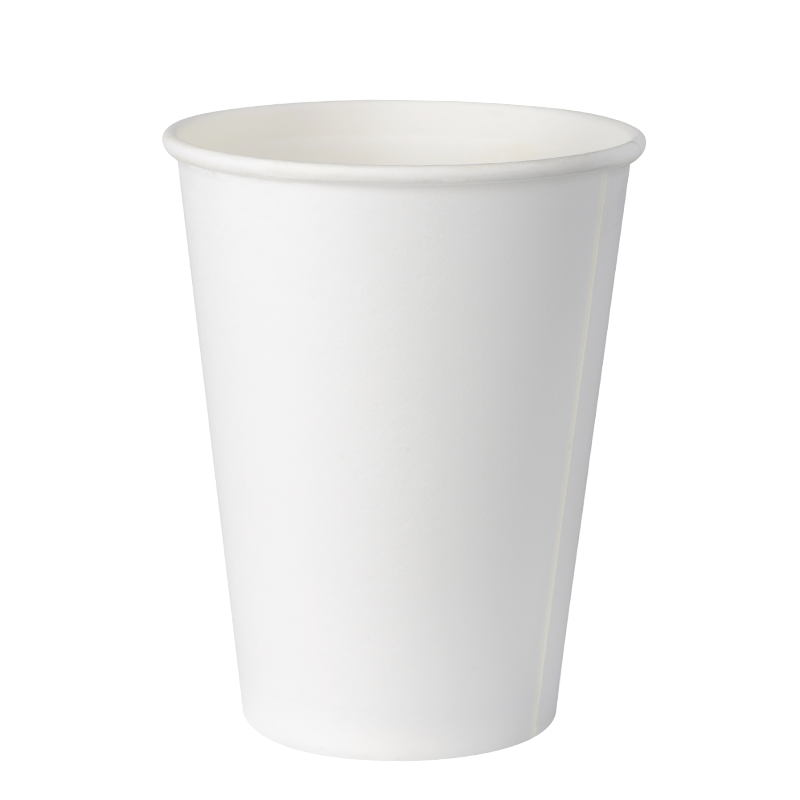
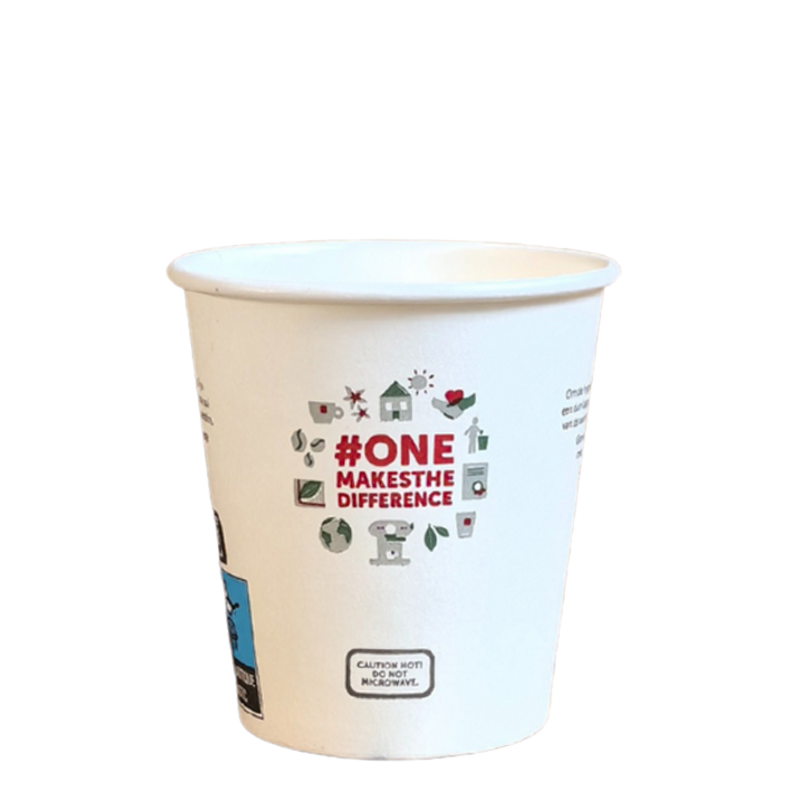
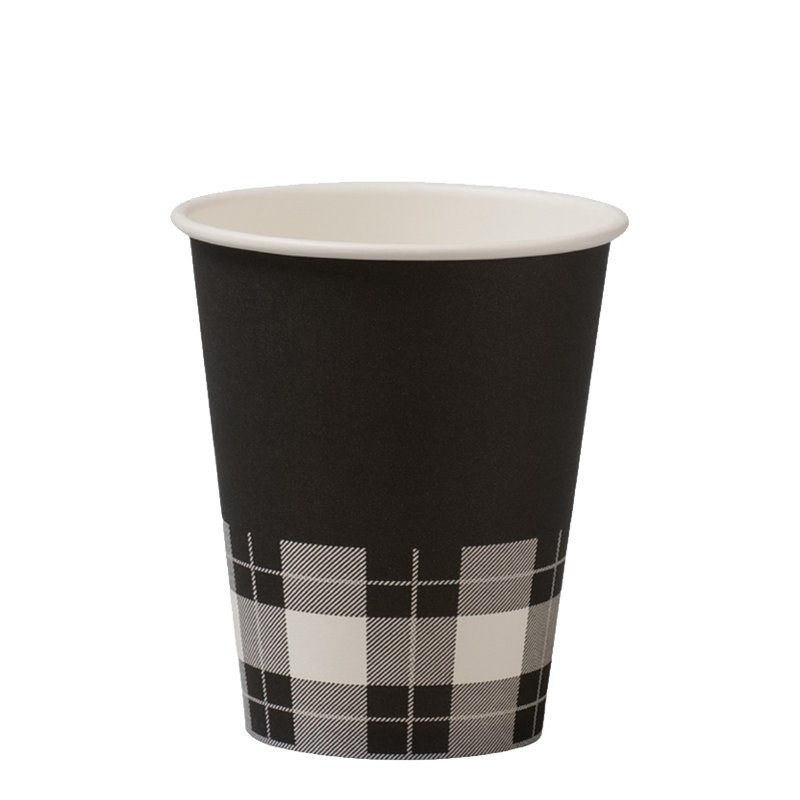
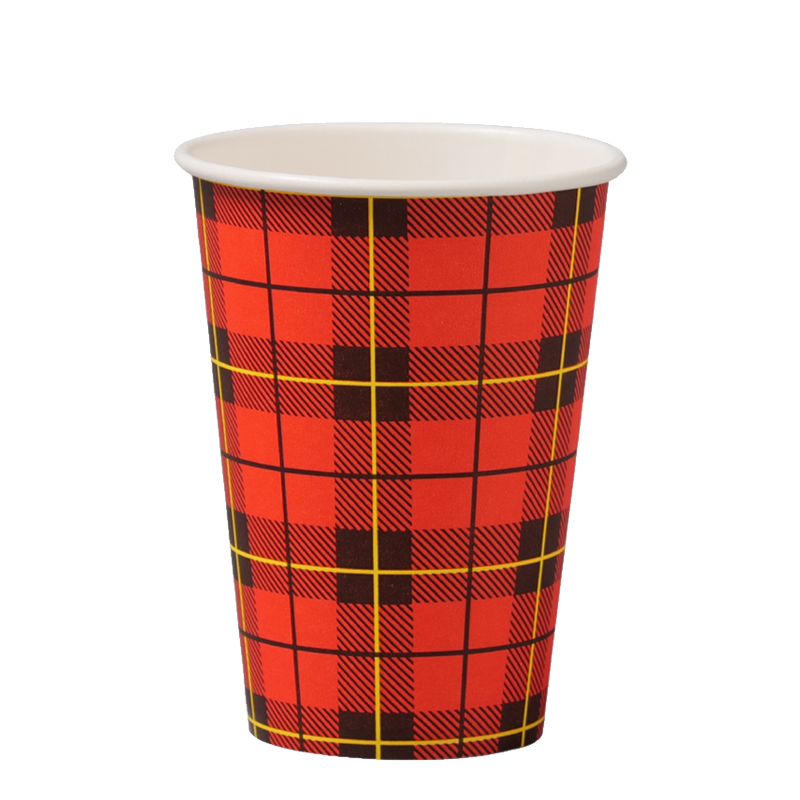
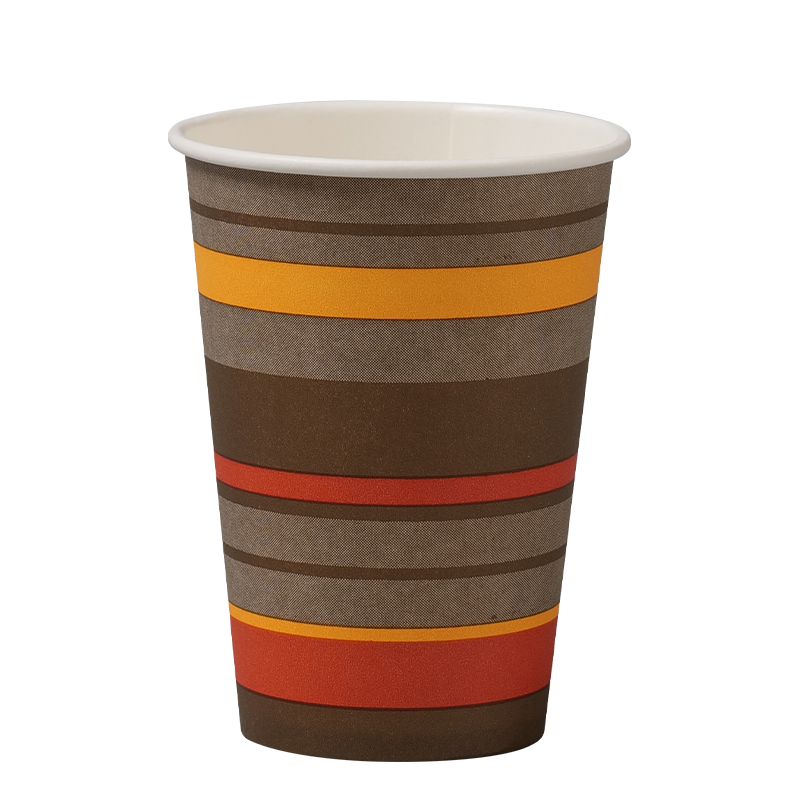
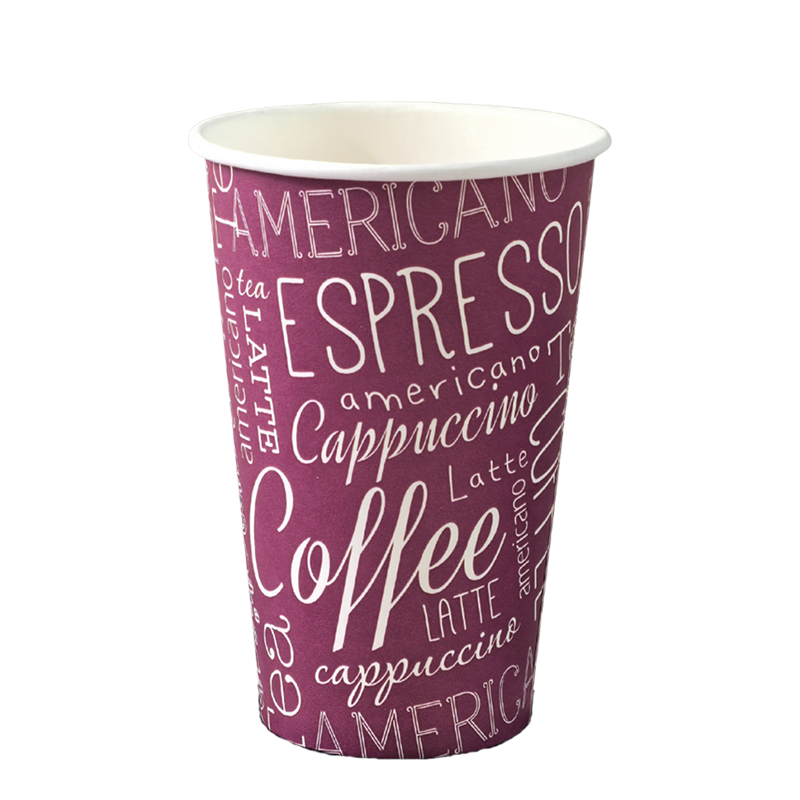
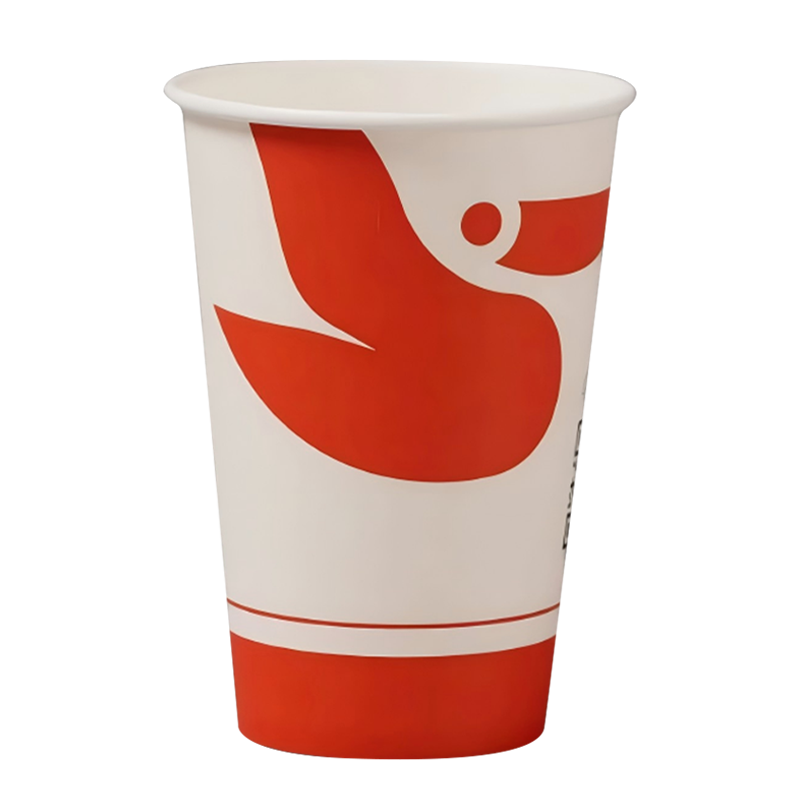
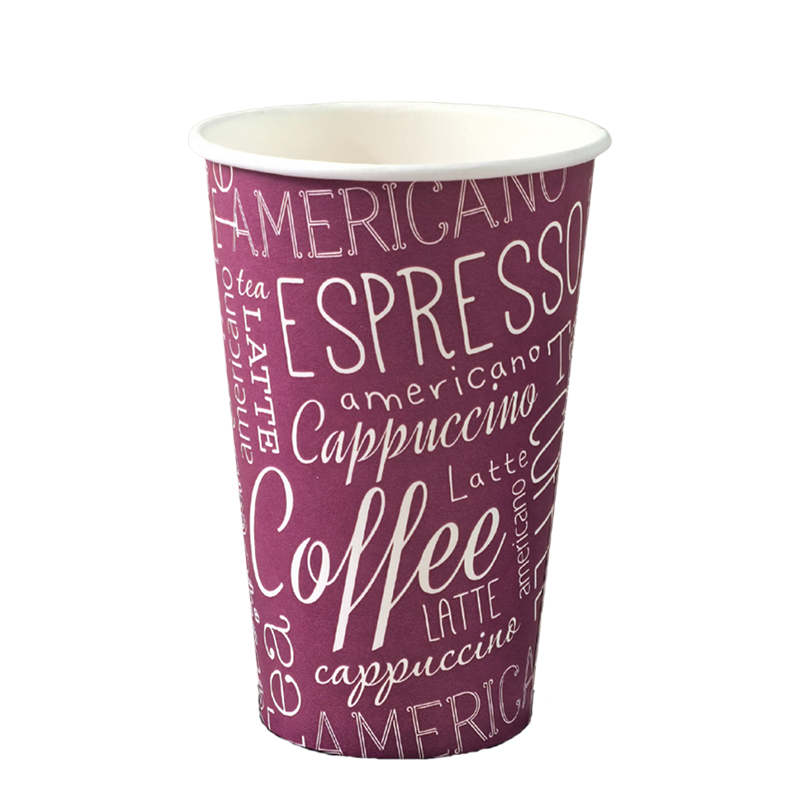
As a professional paper cup supplier, Yongrui Packaging Products Co., Ltd. is committed to providing high-quality, customized paper cup solutions for the vending machine industry. Our vending machine paper cups are carefully designed and precisely controlled to ensure smooth transmission and stable use in vending machines.

Yongrui vending machine paper cups take into account the special requirements of equipment transmission routes and contact points, and independently develop paper cups of various sizes and capacities to meet the personalized needs of different customers. We are well aware that the smoothness of transferring paper cups is a key factor in measuring whether they are qualified or not. Therefore, we have carried out precise process control on the size and shape of the paper cups, such as the curling edge, caliber, and cup bottom height, to ensure that the paper cups fall smoothly in the vending machine, avoid the cup jam phenomenon, and improve the user experience.

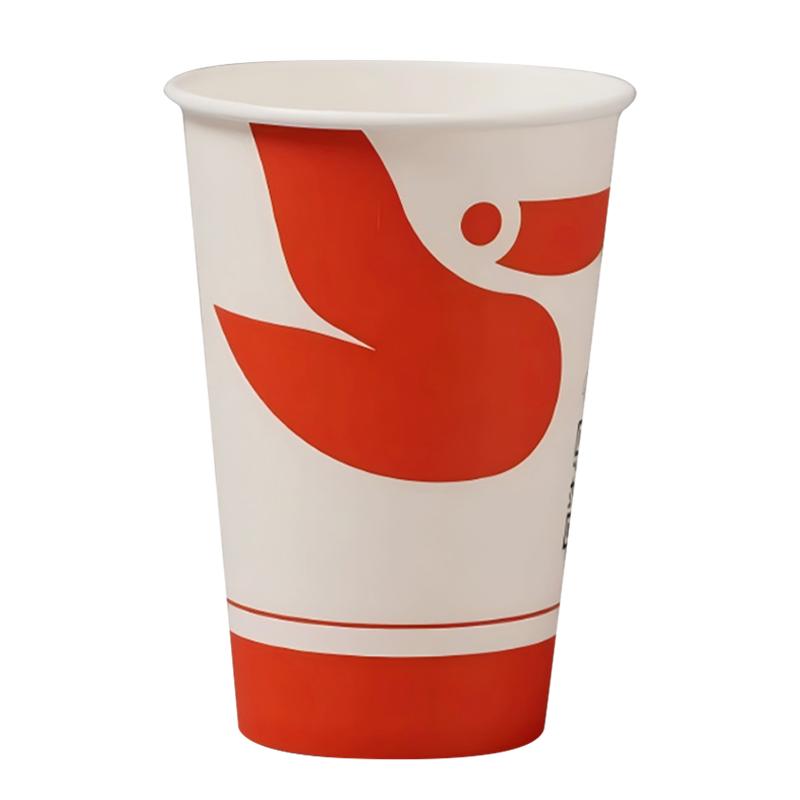
Yongrui's current vending machine paper cup product line is very mature, and has established long-term cooperative relations with well-known brands such as Lavazza, Pelican and etc. We use high-grade food-grade base paper to ensure the toughness and stiffness of the product, so that the paper cups are not easily deformed even when filled with drinks at different temperatures. At the same time, the products strictly follow European food safety standards and production safety standards, and stability and reliability are our primary commitment to customers.

With the increase of environmental awareness, our vending machine paper cups meet the market trend with their environmental protection characteristics, and also respond to consumers' pursuit of a healthy and environmentally friendly lifestyle. We are committed to ensuring perfect coordination with vending machines through excellent product quality and user experience, improving brand vending efficiency and customer satisfaction.

Yongrui vending machine paper cups not only focus on the physical properties of the products, but also pay more attention to the actual experience of customers. Our design team continuously optimizes the user experience of paper cups. From the easy-to-grip cup body design to the precise capacity control, every detail is designed to provide customers with the best drinking experience.

In summary, Yongrui Packaging Products Co., Ltd.'s vending machine paper cups, with their professional design, excellent quality and environmental protection concept, provide a reliable, efficient and environmentally friendly solution for the vending machine industry. We look forward to cooperating with more brands to jointly promote the development of the vending machine paper cup industry.

View More
Grid
List
About Us
Juxian Yongrui Packaging Products Co., Ltd.

Juxian Yongrui Packaging Products Co., Ltd has been deeply involved in the field of paper packaging (disposable paper cup and disposable paper bowl) for 20+years, integrat in R&D, design, production and sales. As Vending Paper Cups Manufacturers and Vending Paper Cups Factory in China, we are committed to providing customers with more competitive price and diversified packaging solutions with excellent quality and environmental protection concepts.

Our factory is equipped with multiple internationally advanced food packaging production machines and 80 automated production lines. With a monthly output capacity reaching 180 containers and an annual capacity of 2,000 40HQ' containers, we maintain significant production volume. Supply Vending Paper Cups Custom. Simultaneously, our integrated ERP system, strategically located sales and warehousing network, and efficient operational mechanisms enable us to ensure: domestic orders are shipped within 48 hours, and international orders are delivered within 30 days.

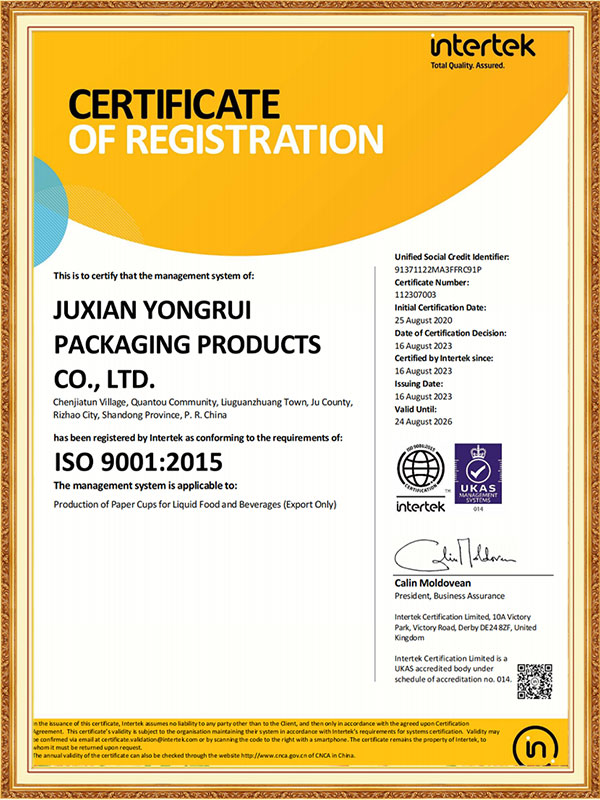
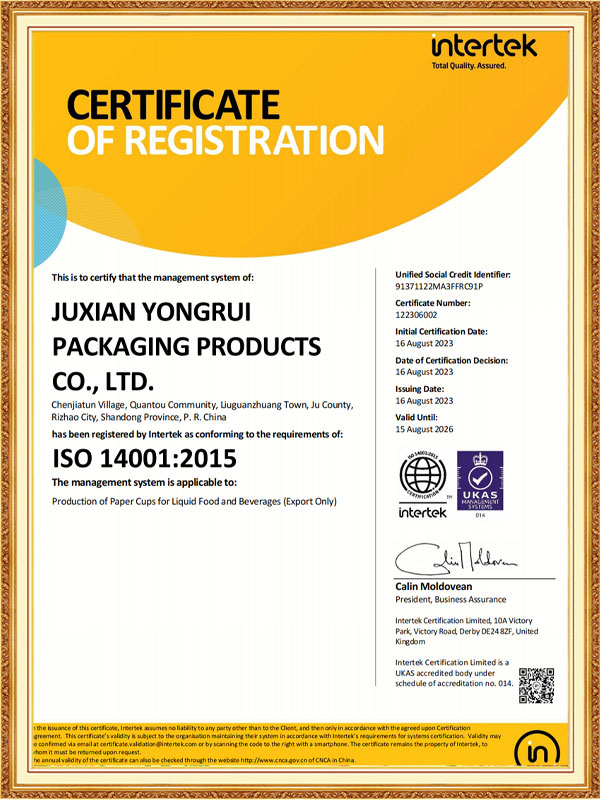
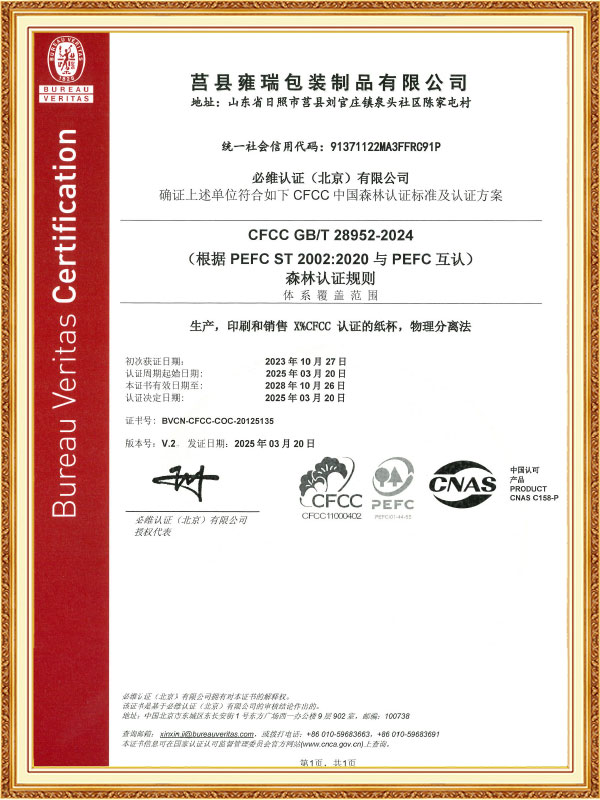
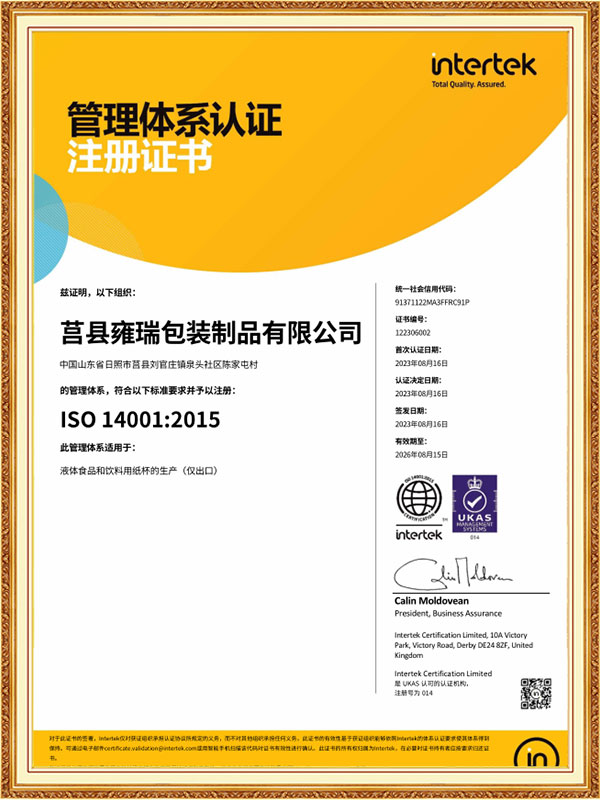
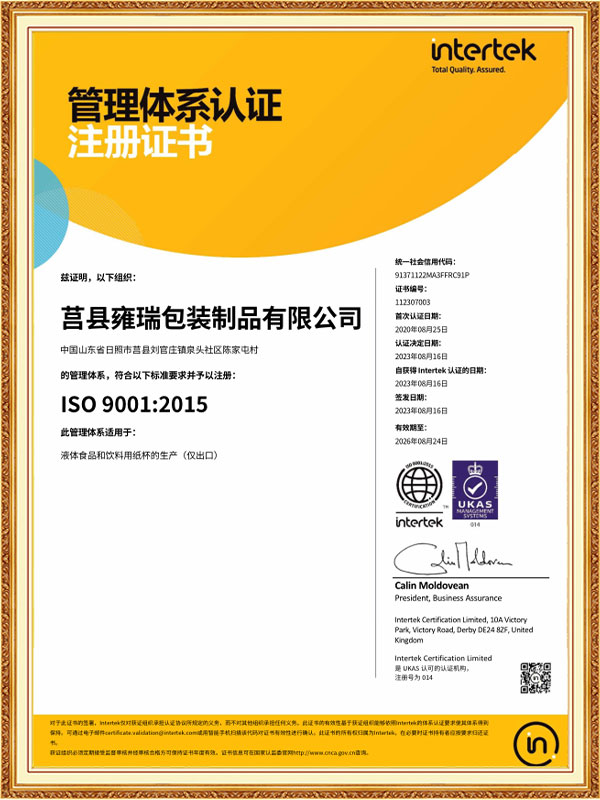
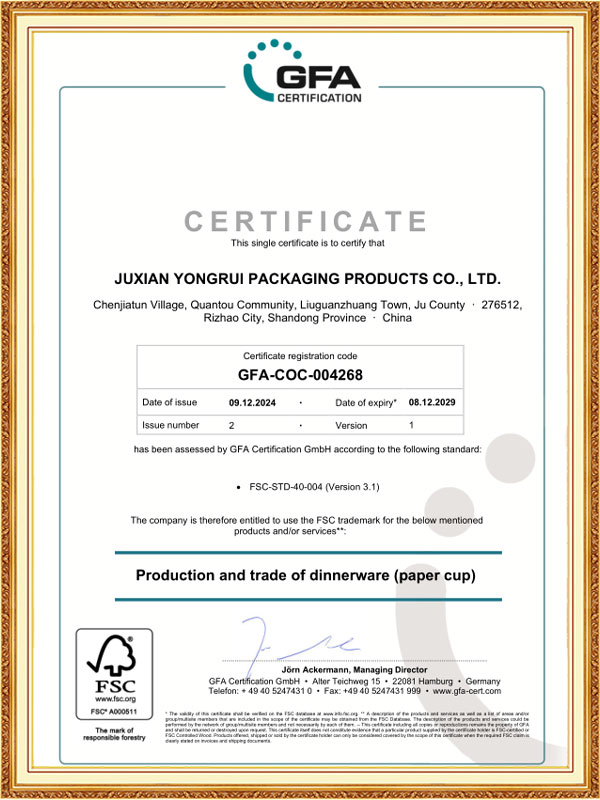
To meet strict international standards, our products hold certifications including ISO 9001, ISO 14001, FSC, BRC, and DIN etc. Further Yongrui Packaging is vigorously developing paper cups made from FSC and EUDR raw materials, firmly and unwaveringly leading the packaging industry towards sustainable development. We offer a full "one-stop" service, from design to after sale, our teams ready to help 24/7. Meanwhile, OEM & ODM service is available to help you build your brand.
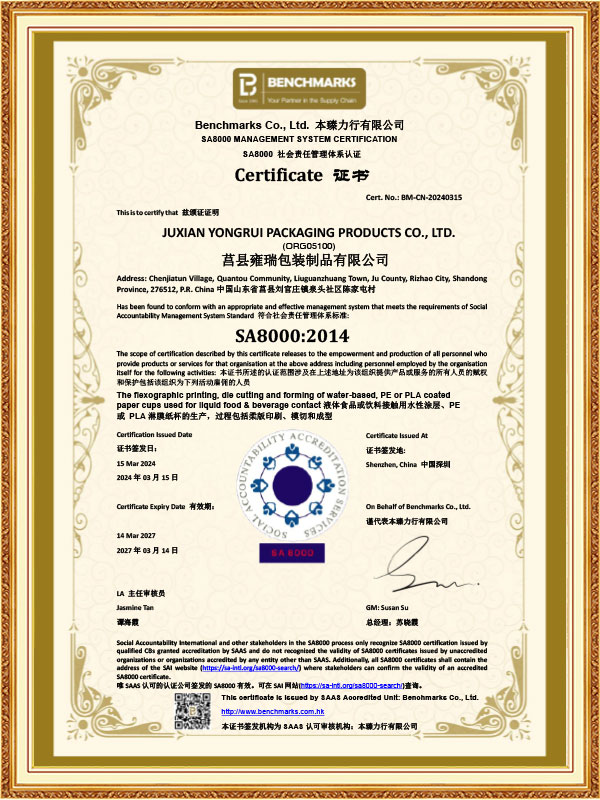
Certification
  • SA8000 Certificate_JUXIAN YONGRUI PACKAGING PRODUCTS CO., LTD._(BM-CN-20240315)_Bilingual
  • FSC_COC_Yongrui_24
  • SA8000 Certificate_JUXIAN YONGRUI PACKAGING PRODUCTS CO., LTD._(BM-CN-20240315)_Bilingual
  • Quality System Certificate
  • Quality System Certificate
  • CFCC COC
  • YONGRUI-BRC
Contact Us
if you have specific needs or are looking to create a unique paper cup or box tailored to your brand, please feel free to reach out to us. Our custom service team is ready to provide you with expert advice and personalized solutions.
News

Industry Knowledge

Material and coating choices that affect vending performance

Paper strength and the chosen inner coating are not cosmetic choices — they determine how vending paper cups behave under compression, humidity and heat. For vending applications we recommend base papers with a tensile strength (machine direction) above 20 N/15mm and a caliper tolerance within ±3% so the column of stacked cups remains stable during transport. A polyethylene or PLA-compatible coating of uniform thickness prevents moisture ingress and reduces friction variability between nested cups; uneven coating thickness is a frequent root cause of cups sticking together or, conversely, separating too freely and causing double-dispense.

Coating thickness and surface friction

Control coating weight to within a narrow band (for example 2.0–3.0 g/m² for thin PE coatings used in vending cups). Too thin — the surface becomes porous and absorbs moisture; too thick — the cups become slick and may slide unpredictably. Surface energy testing (dyne test) at regular intervals helps ensure consistent static friction values so cups feed reliably along rails and chutes.

Dimensional control: curling edge, caliber and bottom height

Precise geometry is the most practical intervention to reduce jams. We perform process control on three features that interact directly with vending mechanisms: the curled rim diameter (caliber), the cup bottom height, and the rolled-edge profile. For example, maintaining a rim diameter tolerance of ±0.5 mm and cup bottom height within ±0.8 mm dramatically lowers the chance of a leading cup catching on a dispenser lip.

Why curling profile matters

A consistent curling profile stabilizes how the rim rides along rails, how it nests with the next cup, and how optical or mechanical sensors recognize the cup. Sharp or inconsistent curl radii create edge catches on guides; flattened or under-rolled rims encourage double-feeds because the friction interface between adjacent cups changes.

Machine-feed mechanics and dispenser compatibility

Different vending machines use diverse transport methods — spiral pushers, gravity-drop chutes, and single-cup pickers — so cup design must be considered in the context of the machine’s contact points. We evaluate cups against the machine’s guide widths, sensor positions and the typical acceleration profile during dispensing to avoid bounce-back, tilt, or snagging. Compatibility testing on a representative set of vending heads is essential prior to mass production.

  • Assess guide clearance: measure maximum rim width + 1 mm safety clearance for travel under load.
  • Check sensor placement: ensure optical sensors detect the rim profile across expected tilt angles.
  • Simulate dynamic forces: test at full column height and when the cup column is partially depleted.

Environmental and storage effects on dispensing reliability

Temperature and humidity change paper mechanical properties: hygroscopic expansion alters inner diameter and nesting friction. Store pallets in controlled environments (recommended 20–25°C and 40–60% relative humidity) and rotate stock so older lots are used first. We also label batches with manufacturing humidity and coating batch codes so that any field issue can be traced quickly to environmental exposure or to a specific coating run.

Practical on-site measures for vending operators

  • Keep cups in sealed cartons until loaded to prevent moisture uptake during humid days.
  • Avoid stacking cartons horizontally near heat sources — heat can soften coatings and change feed behaviour.
  • If jams increase after a seasonal change, measure a sample’s rim diameter and bottom height; deviations often correlate with ambient humidity shifts.

Quality inspection, testing protocols and troubleshooting checklist

A practical inspection regime combines dimensional checks, surface energy tests and in-machine trials. Below is a compact checklist designed for both manufacturers and vending operators to quickly identify probable causes of dispensing faults and to verify corrective actions.

Item Target / Test Action if out of spec
Rim diameter (caliber) Nominal ±0.5 mm Adjust forming die or reject lot; re-run nesting test
Cup bottom height Nominal ±0.8 mm Verify stacking tolerance; correct blank feed pressure
Surface energy Dyne level consistent with historical batch Check coating station; adjust coat weight
In-machine dispense test >98% single-dispense over 100 cycles Tune guide clearances or adjust curl profile

Common failure modes and targeted fixes

Typical patterns we see: repeated edge catches indicate rim burrs or under-rolled edges; double-dispense often maps to reduced nesting friction (over-slick coating or reduced curl), and partial vending paper cups trace back to excessive bottom height variance. Target the most probable geometric parameter first — that yields the highest return on troubleshooting time.

Sustainability considerations that still meet vending requirements

Moving to compostable coatings or PLA substitutes is attractive but introduces new mechanical constraints. Compostable coatings can have different surface energies and lower moisture resistance; to maintain vending reliability when using these materials we typically tighten dimensional tolerances and increase coating uniformity standards. When I discuss these changes with customers I focus on preserving dispensing reliability while reducing environmental impact.

Design checklist for eco-coated vending cups

  • Increase curl consistency: aim for a repeatable radius across the run to offset lower surface energy.
  • Tighten caliper tolerances to reduce unpredictable nesting changes caused by coating variability.
  • Run machine-compatibility trials on at least three vending head models before release.

If you want, we can share batch-level test data and run a quick compatibility matrix with your vending models — we build cups specifically with vending behavior in mind and I’m happy to help match a cup profile to your machine fleet.