+86-18863350588
 English
 Français
 Deutsch
 Español

Bamboo Pulp Paper Cup : Specs, Coatings & Sourcing Explain
Content
- 1
- 2 Why a Bamboo Pulp Paper Cup Performs Differently in Real Service
- 3 Choosing the Right Capacity and Cup Format for Your Menu
- 4 Quality Controls That Prevent Leaks, Odor Complaints, and Deformation
- 5 What You Should Expect From a Reliable Bamboo Pulp Paper Cup Supplier
- 6 RFQ Checklist: Information That Helps Me Quote Accurately
Why a Bamboo Pulp Paper Cup Performs Differently in Real Service
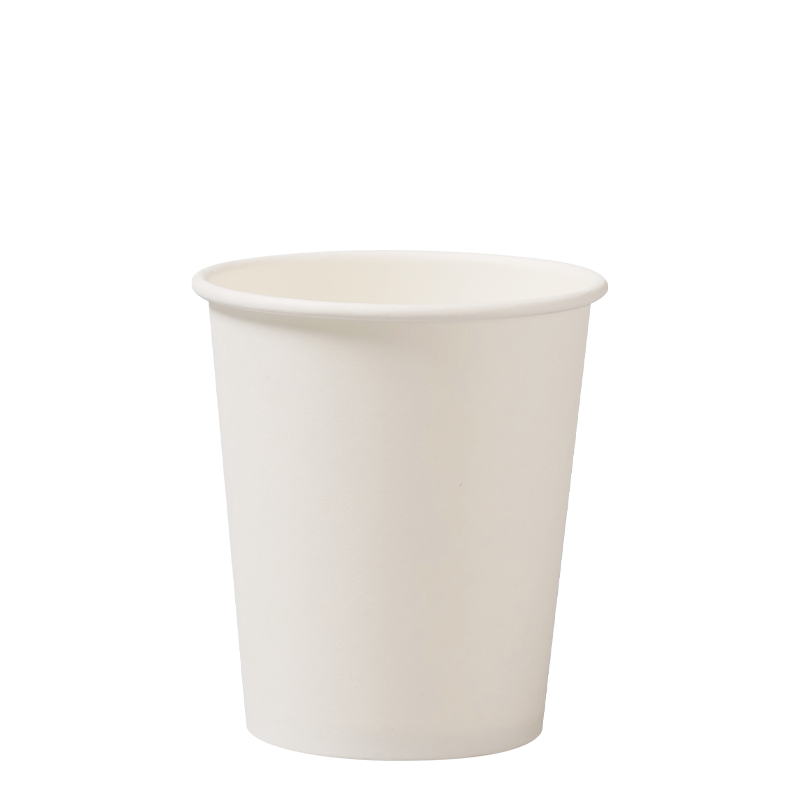
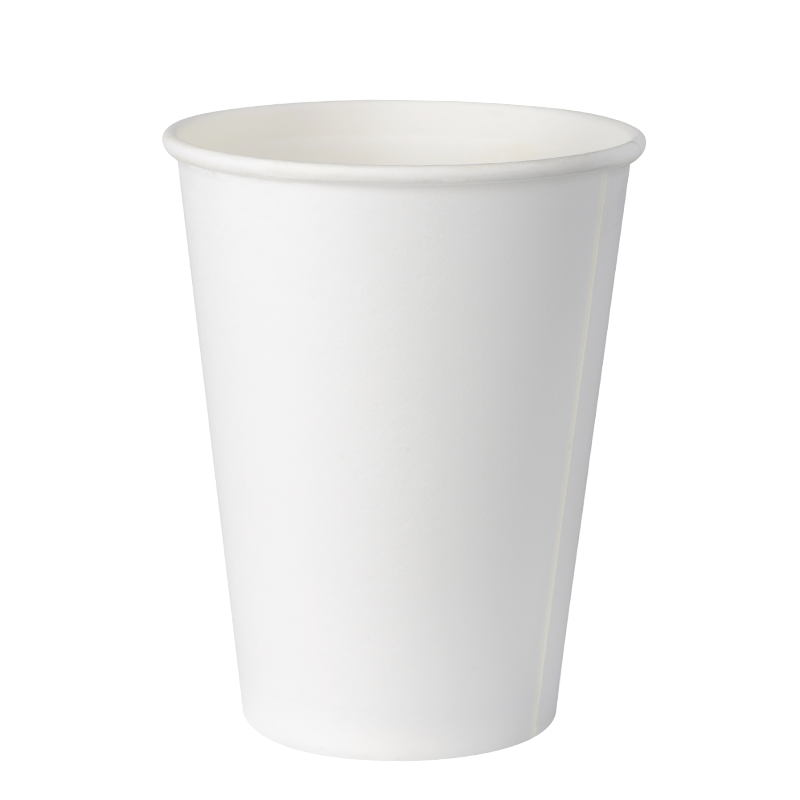
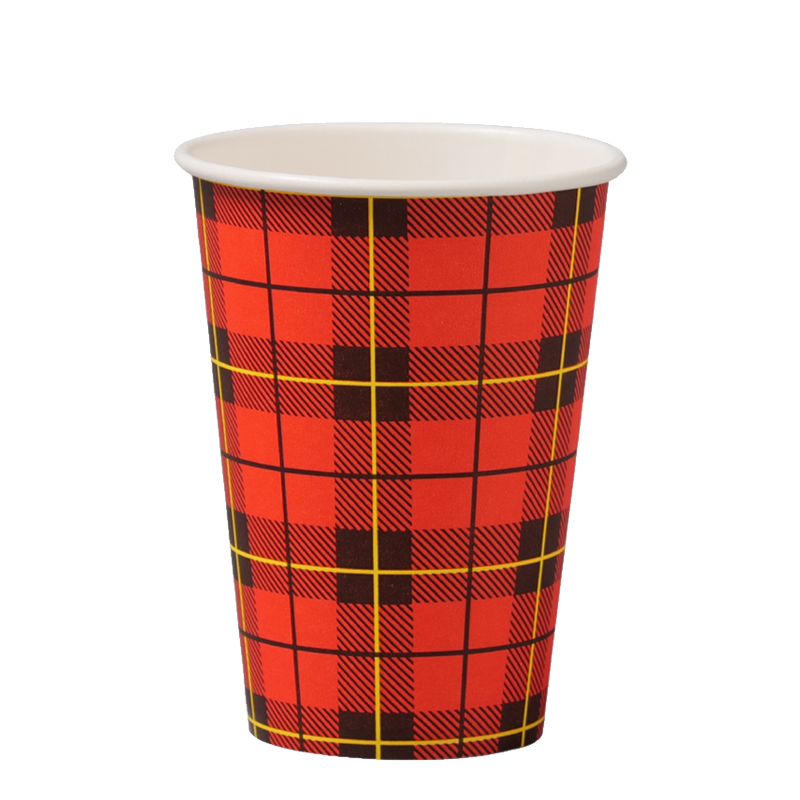
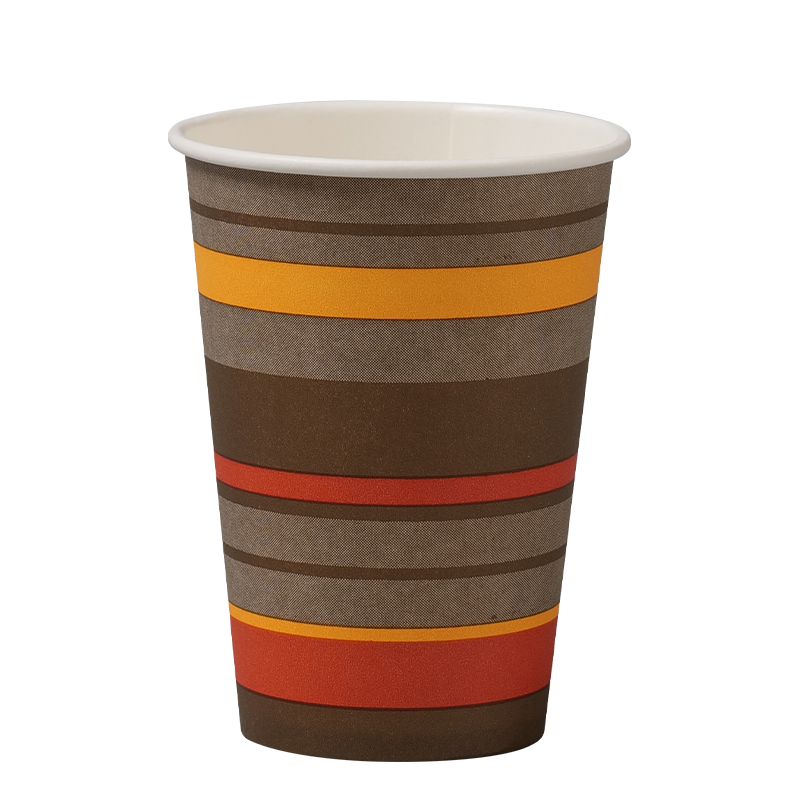
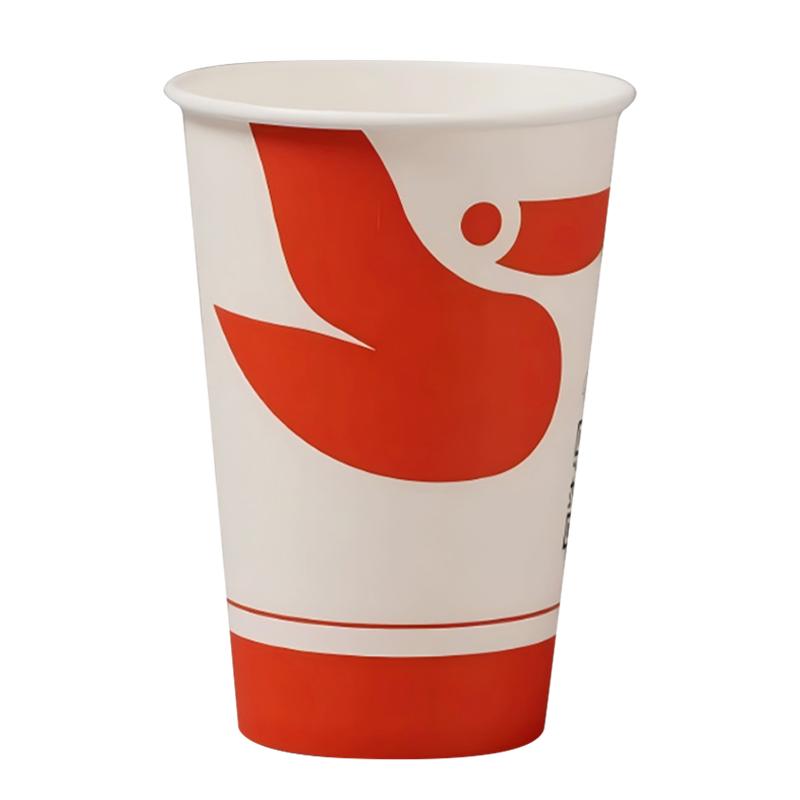
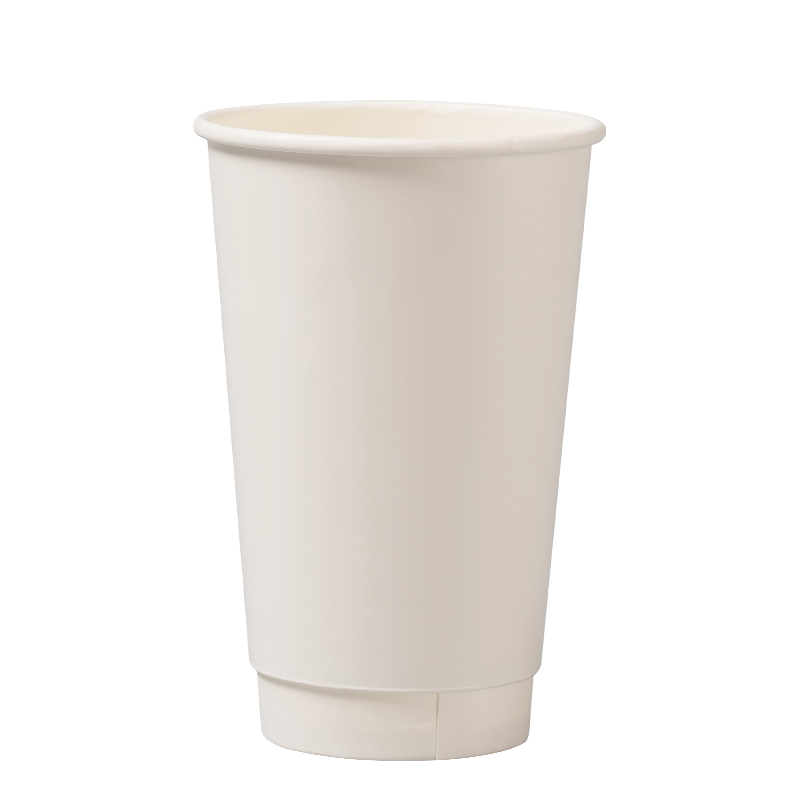
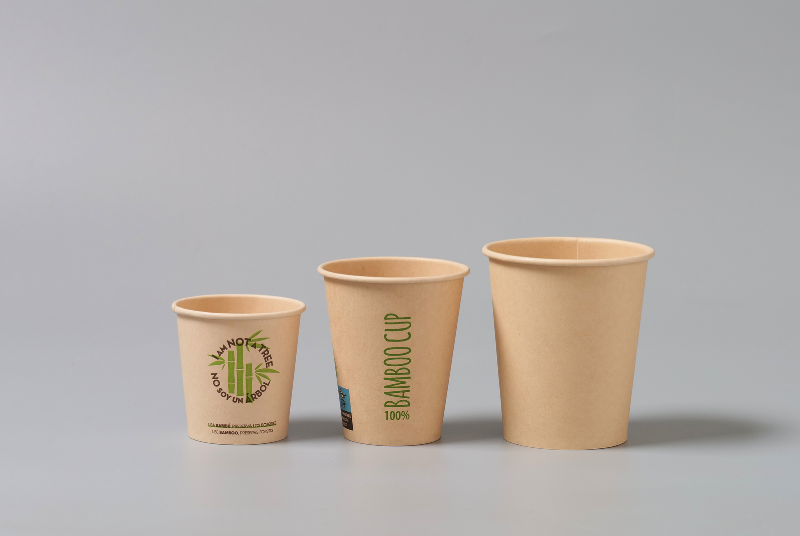
When you’re serving hot coffee at peak hours or shipping cold drinks for delivery, the cup is doing more than “holding liquid.” In my factory, we build the bamboo pulp paper cup for three practical goals: stable stiffness in hand, reliable liquid barrier inside, and clean presentation for your brand—without relying on traditional wood pulp as the primary fiber.
Bamboo pulp is a strong, fast-renewable fiber source. In production terms, what matters to you is the result: a cup body that stays high-stiffness and less prone to deformation during filling, capping, and carry-out. We also manufacture bamboo pulp options that are unbleached and made without fluorescent whitening agents, so the look and odor profile stay natural and reassuring for food contact.
If you want to see the bamboo pulp range we supply (sizes, coating options, and typical applications), you can review our bamboo pulp paper cup page.
Choosing the Right Capacity and Cup Format for Your Menu
Most purchasing issues don’t come from price—they come from mismatching cup format to the beverage workflow. As a manufacturer, I recommend selecting capacity based on fill volume (including foam/ice), lid type, and carry distance. A “12oz cup” that works perfectly for a café might fail in delivery if you’re filling to the brim or using aggressive ice.
A practical capacity cheat sheet (with ml equivalents)
| Common Size | Approx. Volume (ml) | Best-Fit Use Case | Buyer Tip |
|---|---|---|---|
| 2–4oz | 60–120 ml | Samples, espresso, sauce/condiment portions | Choose tighter lid fit if used for delivery. |
| 8oz | ~240 ml | Flat whites, small hot drinks | Add a sleeve if drinks are served above ~65°C. |
| 12oz | ~355 ml | Most café hot coffee, tea | If you use dome lids, verify rim tolerance. |
| 16–20oz | ~473–591 ml | Iced drinks, cold brew, smoothies | Cold cups need strong condensation resistance. |
| 22–32oz | ~650–946 ml | Large cold drinks, sharing formats | Prioritize stiffness to prevent “oval squeeze.” |
Lining and Coating Options: How to Specify the Barrier Layer
A bamboo pulp paper cup is only as reliable as its inner barrier. In procurement, “eco-friendly” claims often skip the most important detail: what lining is used. We supply multiple coating choices so you can match performance, disposal pathway, and local regulations.
What each lining is best for
- PE lining: strong liquid barrier and broad beverage compatibility; often preferred when long hold time and low failure rate are the top priority.
- PLA lining: plant-based lining option used when customers want a bio-based barrier and your local waste stream supports compostable packaging.
- Aqueous lining: water-based barrier technology used for certain applications where buyers aim to reduce conventional plastic content while keeping reliable performance.
- Low-PE solutions (e.g., PE content under 5%): chosen by buyers balancing conventional barrier performance with improved material profile goals.
If you’re comparing options, you can check the lining-focused references we publish for buyers: our PLA paper cup page and our aqueous paper cup page. These pages help you align lining choice with your serving workflow instead of guessing.
A simple decision process I use with buyers
- Confirm the beverage temperature range and max hold time (example: hot fill and 20–30 minutes in a carrier vs. immediate serve).
- Confirm disposal reality in your market (landfill, recycling attempts, industrial compost access, or mixed waste).
- Decide what you must optimize: lowest leak rate, lowest plastic content, or a balance.
- Select lining and run a short pilot with your actual lid, filling equipment, and delivery route.
Honest recommendation from the factory: treat lining choice as a performance spec, not a marketing label. The “best” bamboo pulp paper cup is the one that fits your operation with the lowest failure rate and the most realistic end-of-life path.
Quality Controls That Prevent Leaks, Odor Complaints, and Deformation
A purchasing manager usually hears about problems only after customers complain. In manufacturing, we prevent those complaints by controlling a few high-impact details: cup stiffness, rim forming, seam integrity, and coating consistency. This matters even more with bamboo pulp paper cups because buyers often choose them for premium positioning—so tolerance for defects is lower.
The tests I recommend before you place a full order
- Hot fill + hold: fill with hot water at your serving temperature, cap it, and hold for 30 minutes; check for seam seepage and rim softening.
- Ice + condensation: build your most common iced drink, then hold in a bag/carrier; check for outer-wall softening and lid loosening.
- Compression test: simulate customer grip and delivery stacking; a good cup should keep its round shape under normal handling.
- Odor check: store a nested stack sealed overnight and open the next day; odor-neutral packaging matters for specialty coffee and tea.
On our side, we build process control around these real-world failure modes. That’s why we emphasize high stiffness, consistent forming, and careful material selection (including unbleached bamboo pulp options) for customers who want a natural look without compromising usability.
What You Should Expect From a Reliable Bamboo Pulp Paper Cup Supplier
When you source directly from a manufacturer, you’re buying more than a cup—you’re buying process consistency. In my operation, we’ve built paper packaging capability over 20+ years and run large-scale production space (over 26,000 m²) so we can handle both stable repeat orders and fast-moving promotional demand.
From a buyer’s point of view, the “reliability” checklist should include food-safety and quality controls, traceability for paper materials, and third-party testing support. We maintain recognized quality and food packaging certifications and support inspection/testing processes for customers who need documentation for retail, franchise, or export compliance.
Where internal product references help during sourcing
Many clients compare bamboo pulp against other eco-friendly paper cup options. If your team needs a quick internal reference for alternatives (for example, comparing barrier technologies or sustainability positioning), you can browse our eco-friendly paper cup collection to see the main formats we manufacture.
My sourcing advice: request pre-production samples that match your final spec (same lining, same print, same lid fit) and validate them in your real workflow. That single step typically eliminates the majority of post-launch complaints.
RFQ Checklist: Information That Helps Me Quote Accurately
If you want a fast and accurate quotation for bamboo pulp paper cups, the easiest way is to send a clear RFQ. Here’s what my team uses to quote correctly without back-and-forth or hidden assumptions.
- Cup size(s) and whether you need hot, cold, or dual-purpose performance.
- Preferred lining/coating (PE, PLA, aqueous, or low-PE) and your disposal expectations.
- Single-wall vs. insulated format and whether you plan to use sleeves.
- Lid requirement (flat, dome, sip-lid) and whether you need matching accessories.
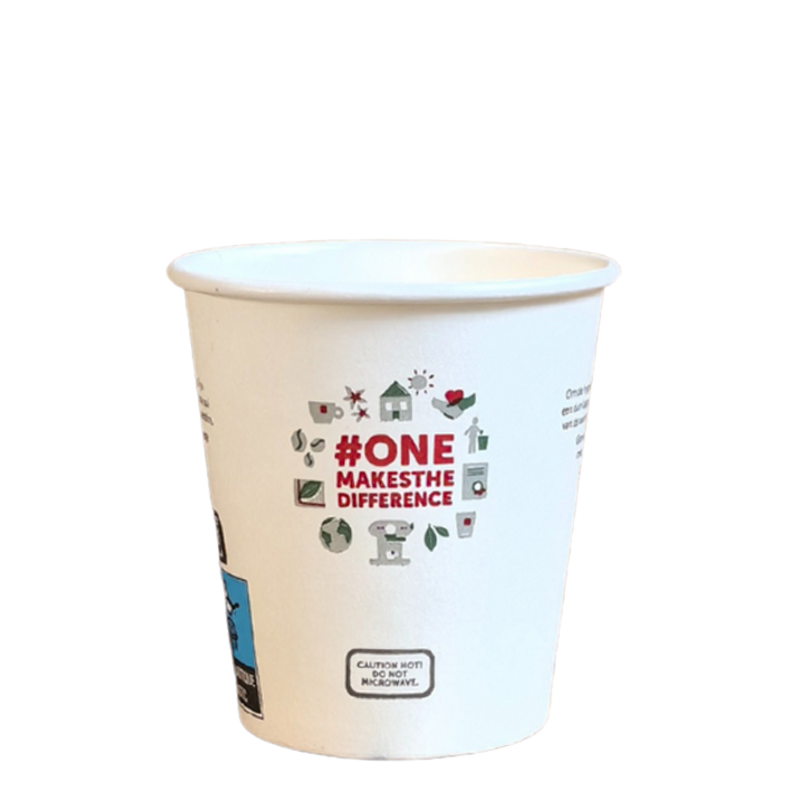
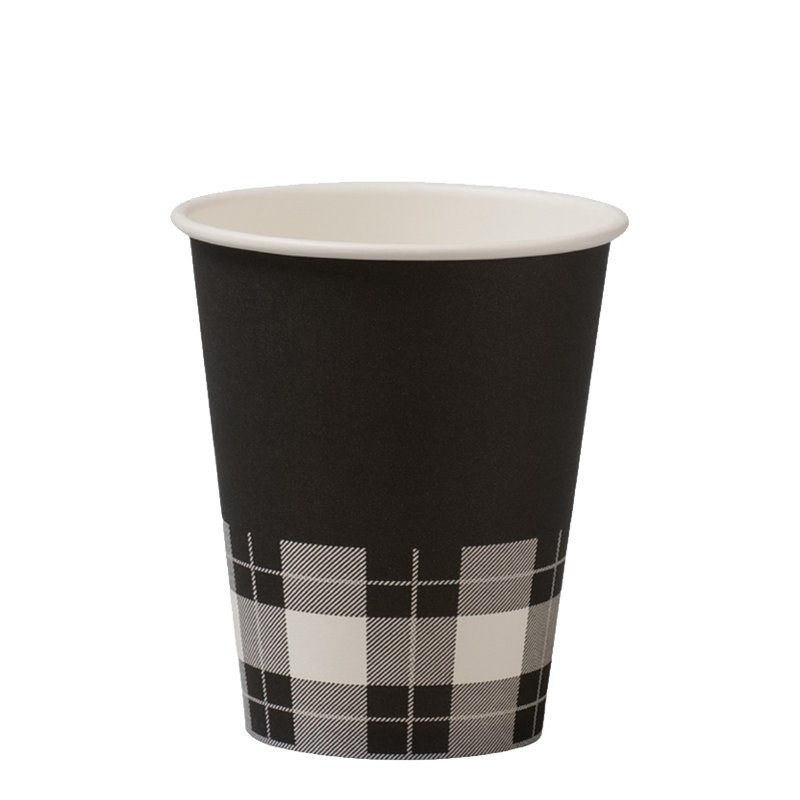
- Printing needs (no print, simple logo, or full wrap) and your target color standard.
- Order volume forecast (trial + monthly demand) and destination country/port for logistics planning.
When I receive these details, I can recommend the most stable specification for your beverages and give you a quote that reflects real production—without compromising the everyday performance your customers will notice.