+86-18863350588
 English
 Français
 Deutsch
 Español

Coffee Stir Stick Guide: Food-Grade Stirrers for Cafés & Brands
Content
- 1 What a Coffee Stir Stick Should Deliver in Real Service
- 2 Material Choice: Birch Wood vs PP Plastic Coffee Stirrers
- 3 Size, Shape, and Ergonomics: Matching Stir Sticks to Your Cups
- 4 Packaging and Hygiene: Choosing the Right Wrap for Your Channel
- 5 Quality Controls I Recommend You Require From Any Supplier
- 6 Bulk Ordering Coffee Stir Sticks: A Simple Forecasting Method
- 7 Pair Stir Sticks With a Consistent Beverage Packaging Set
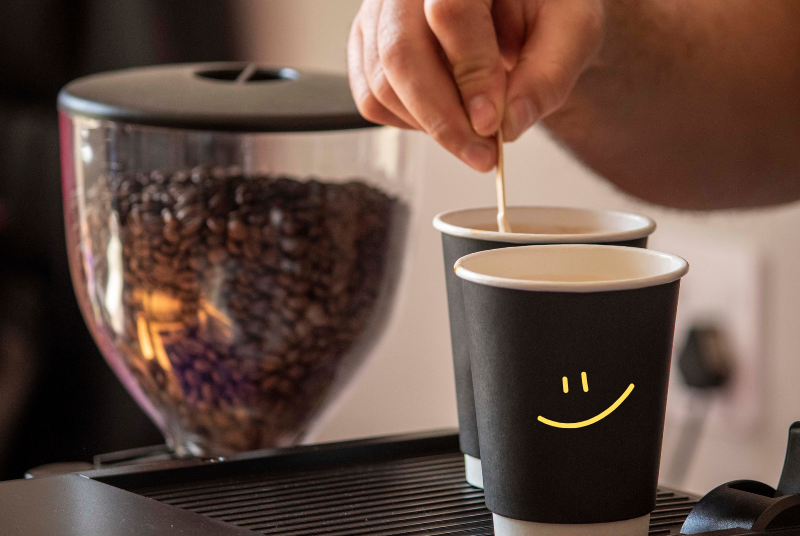
In beverage service, a coffee stir stick is small?but it's one of the items customers physically touch every day. As a B2B factory and supplier, I?ve seen how the right stir stick reduces complaints (splinters, odor, bending), speeds up service, and keeps counters cleaner.
In this guide, I'll share how I help cafés, roasters, distributors, and foodservice brands choose the right coffee stir stick for their menu and workflow?based on material, size, packaging, and ordering logic.
What a Coffee Stir Stick Should Deliver in Real Service
A good coffee stir stick isn't just "something to stir with." It's a functional tool that should hold up in hot liquids, feel comfortable in the hand, and present well at the point of sale.
Mixing performance that matches your drinks
If your menu includes sugar-heavy beverages, flavored syrups, or powdered mixes, the stir stick needs enough rigidity to move ingredients from the bottom of the cup without snapping or turning soft. For busy counters, the goal is simple: one stir, fully blended, no mess.
Customer comfort and brand perception
Customers notice details like smooth edges, clean packaging, and whether the stick carries any odor. Those details matter even more for takeaway and delivery, where packaging is your "storefront" in the customer's hands.
Material Choice: Birch Wood vs PP Plastic Coffee Stirrers
In our production, two practical options cover most purchasing needs: birch wood and food-grade PP. Both can be excellent, but they serve different operational priorities. For our current options, see our wooden coffee stir sticks page and our PP plastic coffee stirrers page.
| Selection factor | Birch wood stir sticks | PP plastic coffee stirrers |
|---|---|---|
| Best for | Cafés prioritizing a natural look and a paper-forward packaging feel | High-volume service where flexibility and break resistance are key |
| Heat & odor considerations | Selected wood should stay neutral in hot drinks and avoid "woody" smell | Food-grade PP is stable for hot beverage contact and typically odorless |
| Customer experience | Warm, natural hand-feel; smooth edges are essential to avoid splinters | Often designed for comfort and flexibility; helps prevent snapping |
| Packaging match | Pairs well with paper bag wrapping and paper cup programs | Commonly individually wrapped for hygiene and rapid dispensing |
| Operational trade-off | Must control burrs and surface finish; moisture management matters | Recycling availability varies by region; confirm local acceptance for PP |
If you?re unsure, I usually start by asking two questions: what is your busiest 2-hour window, and what are your top three drinks by volume? Those answers typically point to the best material choice for your coffee stir stick program.
Size, Shape, and Ergonomics: Matching Stir Sticks to Your Cups
In purchasing, "one size fits all" often leads to waste. A stir stick that's too short encourages customers to double-dip fingers or use two sticks; too long can look awkward and complicate dispenser fit.
A practical sizing rule I use with buyers
Aim for a stick that reaches the bottom of the cup with 20-30 mm of extra length above the rim. That gives enough leverage to mix without touching the beverage.
- Small formats (espresso/8-10 oz): typically served well by shorter sticks that fit compact dispensers
- Standard takeaway (12-16 oz): a mid-length stick usually improves mixing of sugar and syrups
- Tall cups, iced drinks, or deep containers: longer sticks help reach the bottom without bending
Design details that affect breakage and feel
From a manufacturing perspective, two details matter most: edge finishing and cross-section consistency. Smooth, rounded edges reduce splinter risk on wooden stir sticks, while engineered shapes in PP can improve flexibility and reduce snapping during fast stirring.
Packaging and Hygiene: Choosing the Right Wrap for Your Channel
Packaging isn't just appearance-it's risk control. For most professional buyers, the main decision is whether to use individually wrapped sticks for customer-facing areas or bulk packs for controlled back-of-house use.
Individually wrapped for front-of-house and hospitality
For cafés, hotels, offices, and events, individual wrapping helps keep each coffee stir stick clean from dust and handling. It also improves counter organization-especially when stirrers sit near sugar, cream, and lids.
Bulk packing for controlled service stations
If your staff dispenses stir sticks behind the counter (or you use closed dispensers), bulk packs can lower packaging waste and speed up restocking. In these setups, the key is consistent pack counts and cartons that open cleanly without contaminating the contents.
If you're building a complete accessory set (lids, sleeves, trays), you can also browse our accessory page to align packaging formats across your beverage station.
Quality Controls I Recommend You Require From Any Supplier
If you're sourcing coffee stir sticks at scale, quality issues show up fast-usually as customer complaints or barista frustration. Here are the checks I advise buyers to include in their acceptance criteria.
- Surface finish: no burrs, no sharp edges, and consistent smoothness across batches
- Odor neutrality: especially important for hot drinks where aroma is part of the experience
- Dimensional consistency: helps dispensers work correctly and reduces jams
- Basic strength testing: a simple bend-and-stir test in hot water catches weak lots early
- Packaging integrity: clean seals and stable cartons prevent contamination in transit
In our own production, we focus on polished finishes, food-grade material control, and packaging that stays intact through shipping-because consistency matters more than any single feature when you're serving hundreds (or thousands) of drinks per day.
Bulk Ordering Coffee Stir Sticks: A Simple Forecasting Method
One of the easiest ways to cut costs is to reduce emergency reorders. I recommend forecasting coffee stir stick demand using your drink counts'not guesswork.
A step-by-step approach buyers can use
- Take your average hot drink volume per day (or per store).
- Multiply by your replenishment cycle (e.g., 30 days).
- Add a 10% safety factor for promotions, weather spikes, and delivery delays.
- Adjust upward if your customers often take extra stir sticks for shared sugar/cream stations.
Example: If a café serves 300 hot drinks/day and you restock monthly: 300 × 30 = 9,000 sticks. Add 10% safety stock → 9,900 stir sticks per month.
When buyers share this forecast plus their packaging preference (individual wrap vs bulk), we can recommend cartonization and shipment planning that reduces storage headaches and keeps service smooth.
Pair Stir Sticks With a Consistent Beverage Packaging Set
Many buyers source stir sticks separately, but the best service results come from treating them as part of a beverage ?kit?: cup + lid + sleeve + stir stick. That?s how you keep the counter tidy, the customer experience consistent, and the supply chain simpler.
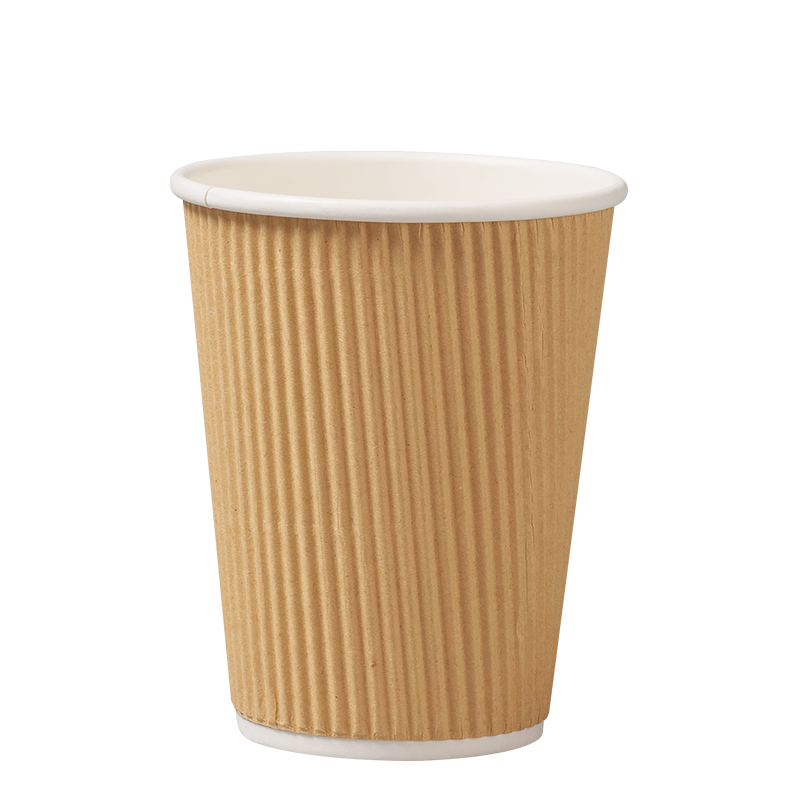
If you?re standardizing across stores or building a distributor line card, you may want to review our disposable paper cups page alongside our accessory products page so the stir stick length, lid opening, and cup depth all work together.
What to send me for a fast, accurate recommendation
- Your main cup sizes (oz/ml) and whether drinks are mostly hot, iced, or mixed
- Preferred material (wood or PP) and any sustainability requirements from your market
- Packaging style (individually wrapped vs bulk) and your restock cycle
- Target monthly volume and delivery destinations
With those inputs, I can quickly narrow down the best coffee stir stick format for your operation and keep the selection focused on what improves day-to-day service.