+86-18863350588
 English
 Français
 Deutsch
 Español

Cold Drink Paper Cups Now Lead: What's Driving the 2026 Shift
Content
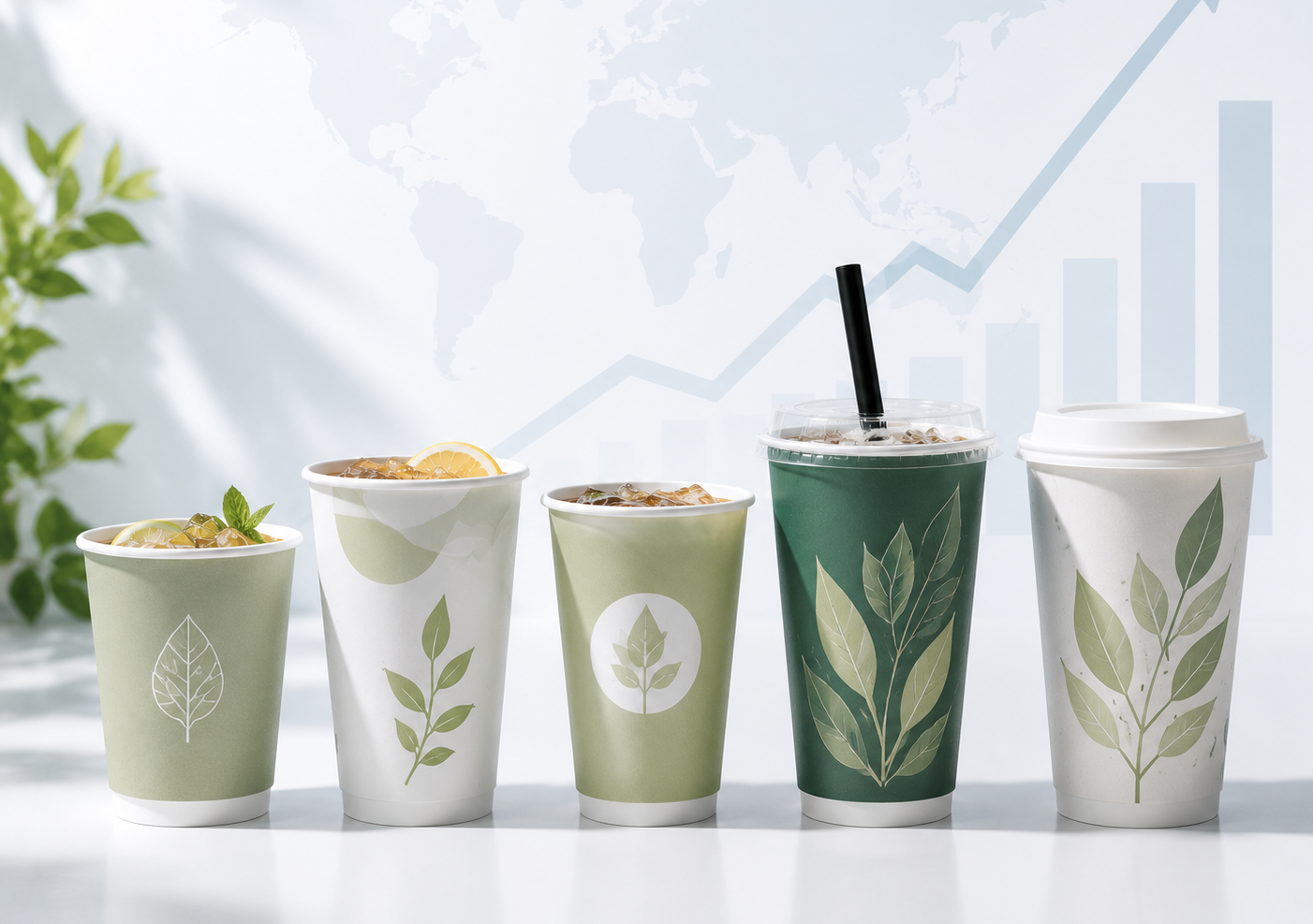
For decades, the paper cup market was synonymous with hot coffee. That equation has changed. In 2026, cold drink paper cups account for 51.68% of the global market — the first time iced beverages have claimed the majority share. This isn't a seasonal blip; it's a structural shift with real consequences for foodservice operators, packaging buyers, and supply chains worldwide.
The Numbers That Flipped the Market
The data tells a clear story. Cold drink paper cups now hold 51.68% of the global paper cup market, according to Fortune Business Insights' 2026 paper cup market analysis. The cold segment is growing at a 7.8% CAGR — compared to 5.4% for hot cups — a gap that compounds each year. The cold drink sub-market alone is projected to reach $2.8 billion by 2033.
What's driving this divergence? A combination of cultural, behavioral, and commercial forces that are reshaping how people consume beverages — and what they expect those beverages to be served in.
Three Forces Behind the Cold Drink Surge
Bubble Tea Has Gone Global
Bubble tea was once a regional phenomenon. Today, it's a $4+ billion global industry with storefronts from Seoul to São Paulo to Stockholm. Every serving requires a large-format cold cup — sized to accommodate ice, milk tea, and toppings. Refer to our boba straw sizing guide for bubble tea shops for pairing recommendations. The category has introduced millions of new consumers to the ritual of the large-format cold cup — and that habit extends well beyond bubble tea itself.
Cold Brew Coffee Entered the Mainstream
Cold brew used to be a specialty offering. It's now a standard item at quick-service restaurants (QSRs) and convenience chains worldwide. Cold brew is typically served in 16–24oz cups — significantly larger than a standard hot coffee format. Larger cups mean more paper, more packaging, and higher per-order spend on disposables.
Food Delivery Amplified Everything
More than 73% of paper cup consumption now originates from takeaway and delivery scenarios. When drinks travel, the packaging requirements intensify: cups must resist condensation, maintain structural integrity when wet, and pair with lids that seal tightly. This is pulling demand toward purpose-built cold cup formats — and toward disposable drinking straws designed to work with sealed lids.
What Cold Cup Buyers Actually Need
Understanding the market trend is one thing; translating it into procurement decisions is another. Here's what the specs actually look like for cold drink packaging.
Size: Cold cups most commonly run from 12oz to 32oz. The 16oz and 22oz formats are the current volume leaders, driven by bubble tea and large iced coffees.
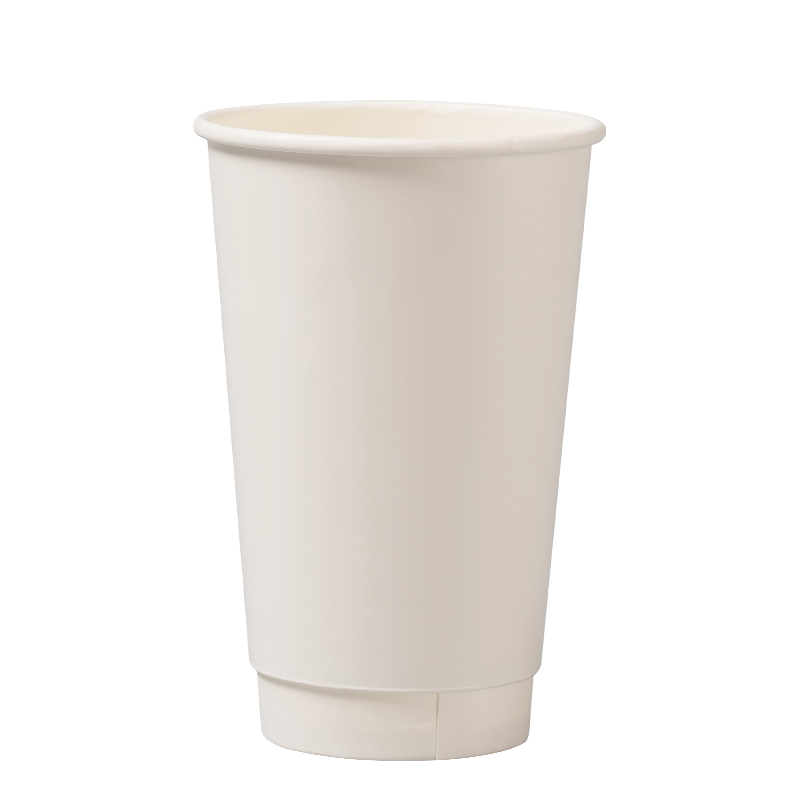
Coating: Single PE coating works for most ambient cold drinks. For ice-filled beverages where the cup exterior will sweat, double PE coated cold drink paper cups offer superior moisture resistance — the outer layer prevents the cup from softening or losing its grip even after extended contact with ice.
Lids: Flat PET lids are standard for straw-ready cold drinks; dome lids are preferred for whipped cream toppings or layered drinks. Both require a precise fit to the cup's rim diameter — a detail worth confirming before ordering at scale. PET cup lids for cold beverages are available in both flat and dome formats.
Custom printing: Cold cups have higher visual exposure than hot cups — people carry them around, photograph them, post them. This makes branded printing on cold cups an unusually effective brand touchpoint, particularly for the 18–35 demographic that drives bubble tea and iced coffee consumption.
A Global Shift That's Here to Stay
The cold cup surge is not evenly distributed — some markets are moving faster than others. Asia-Pacific leads with an 8.7% CAGR, driven by the dense concentration of bubble tea chains across China, Taiwan, South Korea, and Vietnam, plus rapidly expanding urban coffee cultures. China alone saw café density increase by approximately 140% between 2020 and 2026. India is growing at 11.2% annually, propelled by a young population and accelerating urbanization.
Latin America is following a slightly different trajectory: deep-rooted coffee consumption habits are evolving toward iced formats, and a growing middle class is driving takeaway culture in Brazil, Colombia, and Mexico. Europe, meanwhile, is experiencing the shift through a regulatory lens — sustainability legislation is accelerating the replacement of plastic cold cups with paper alternatives, making the transition faster and more durable than in other regions.
For buyers sourcing cold drink paper cups internationally, these regional dynamics matter. The demand signals are consistent; the specific formats, sizes, and certification requirements vary by market. Working with a supplier that covers the full range of cold cup specifications — and holds the relevant environmental certifications — makes navigating that complexity significantly more straightforward.