+86-18863350588
 English
 Français
 Deutsch
 Español

Why Some Paper Cups Look Shinier Than Others
Content
- 1
- 2 The Shine Isn't a Coincidence — It's One of Two Processes
- 3 Double PE Paper vs. Gloss Varnish: Two Different Origins for the Same Look
- 4 Why This Shine Almost Always Shows Up on Cold Drinks
- 5 Regulatory Pressure Is Quietly Shifting the Balance Toward Gloss Varnish
- 6 What Happens When Customers Insist on Gloss for Hot Drinks
The Shine Isn't a Coincidence — It's One of Two Processes
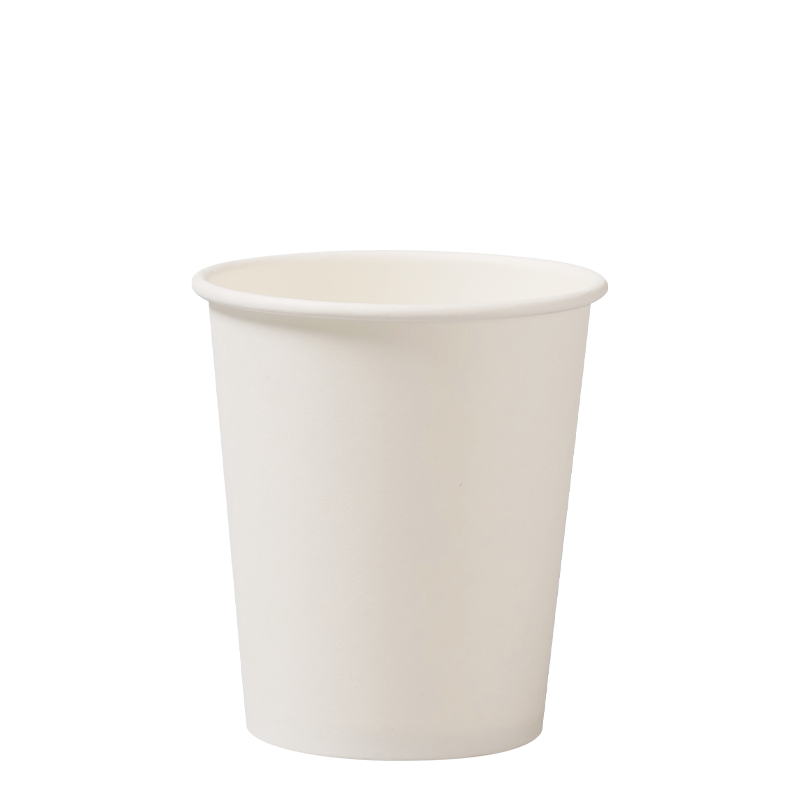
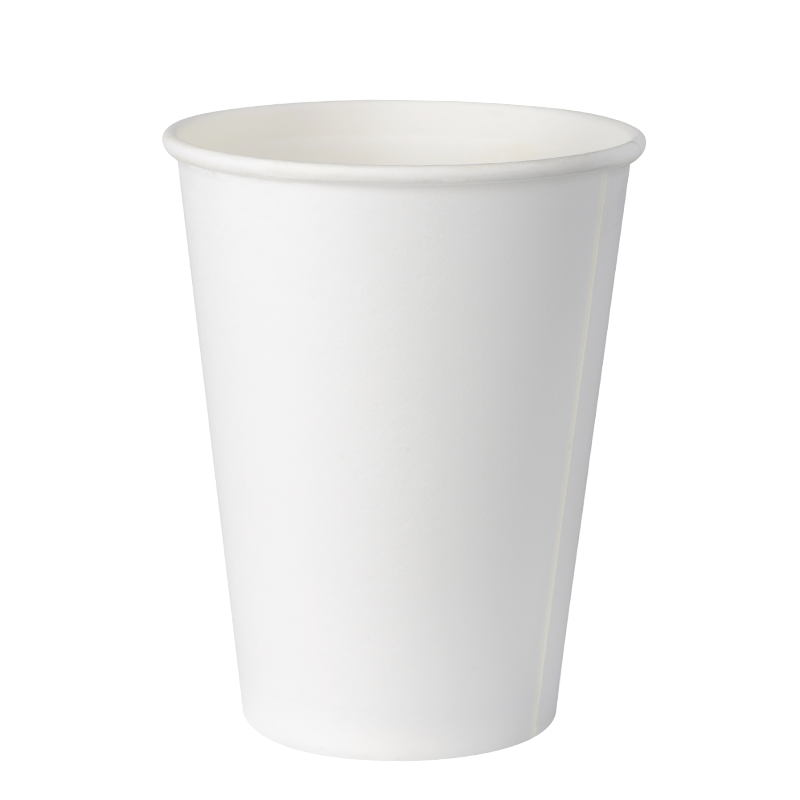
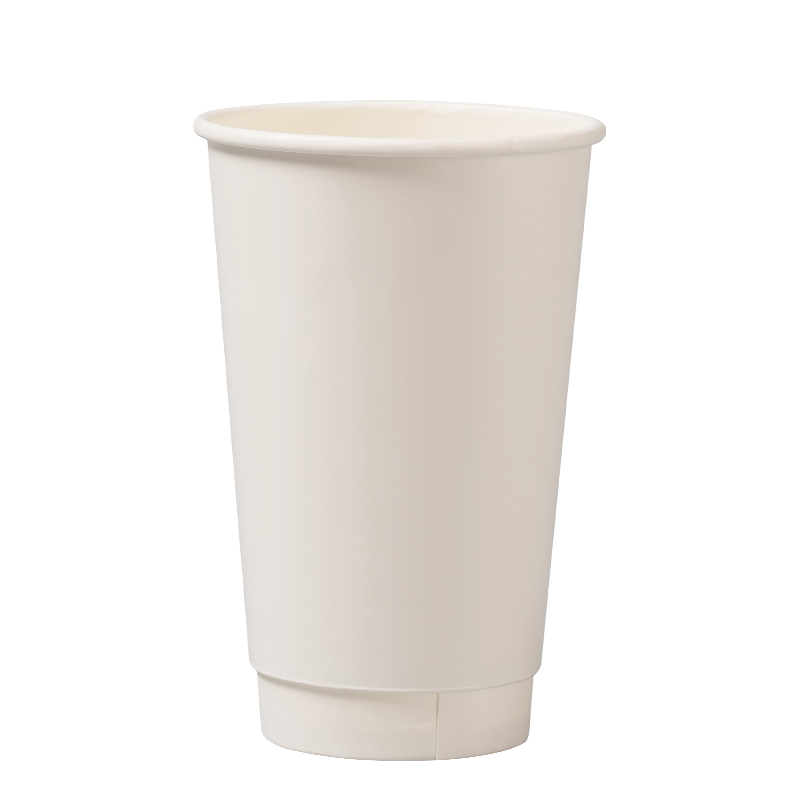
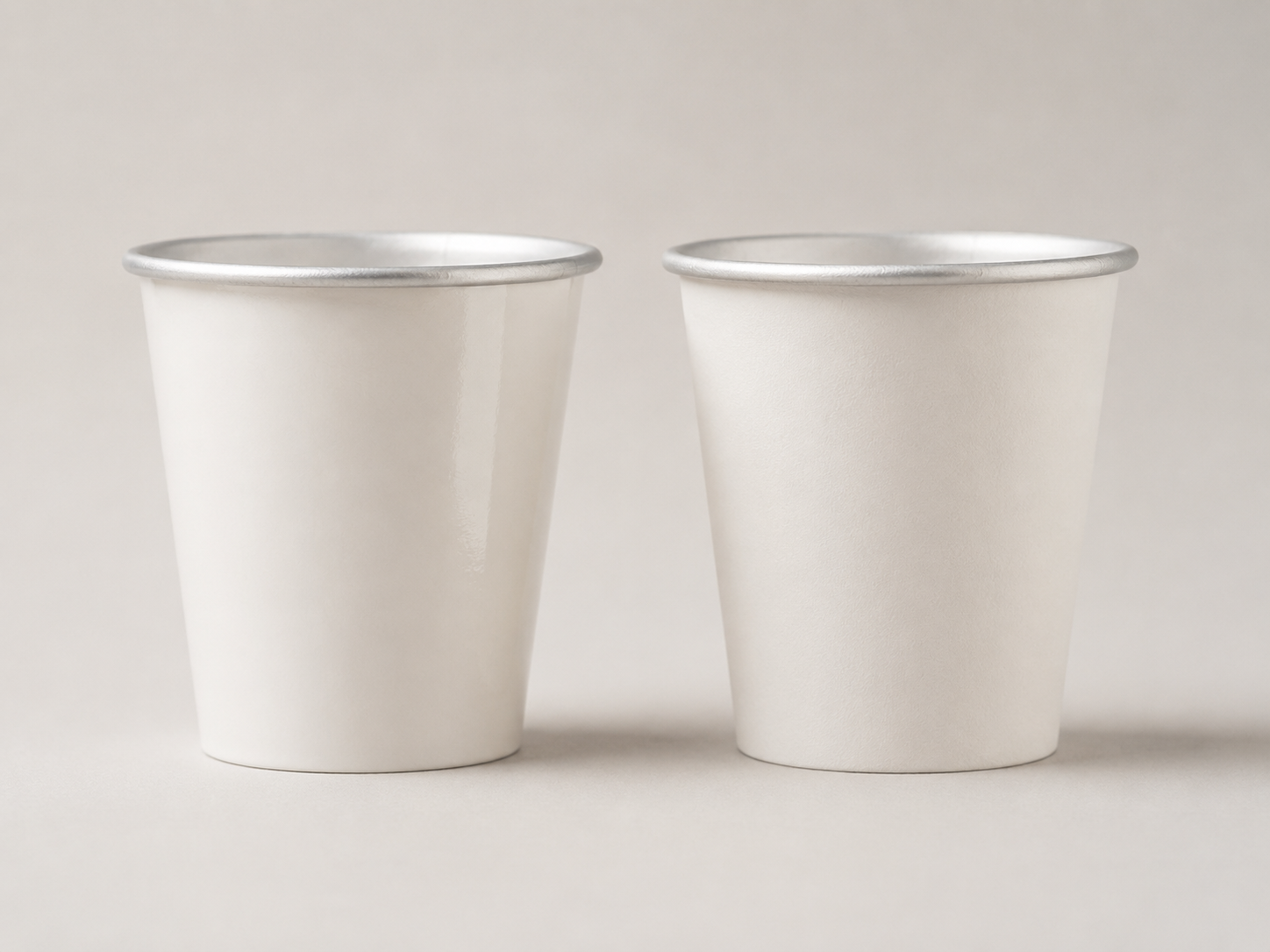
Pick up two paper cups side by side and one often looks noticeably glossier than the other. It's easy to assume the shinier one is simply better made, or that the matte one is somehow cheaper or lower quality. Neither assumption holds up. That glossy surface comes from one of two distinct manufacturing paths, and the matte finish isn't a downgrade — it's just paper that hasn't been coated or varnished at all, showing the natural surface of the raw stock.
Double PE Paper vs. Gloss Varnish: Two Different Origins for the Same Look
The first path is double PE laminated paper. This isn't something a cup factory produces in-house — it's purchased as finished cupstock from specialized paper mills that laminate polyethylene film onto both sides of the base paper before it ever reaches a cup manufacturer. The glossy surface is baked into the raw material itself.
The second path happens entirely on the factory floor: printing a layer of gloss varnish onto single-PE-coated paper during the printing and finishing stage. This is where custom branded cups printed to a specific design often pick up their shine — the varnish is applied over the printed graphics rather than coming from the paper supplier. Two completely different origins, one very similar visual result.
Why This Shine Almost Always Shows Up on Cold Drinks
Neither process is chosen for looks alone. Both double PE lamination and gloss varnish serve the same functional purpose on cold beverages: keeping condensation from soaking through the paper. An iced drink sweats constantly against the cup wall, and without a continuous barrier, that moisture works its way into the fibers and softens the cup within minutes.
That's why the glossy look shows up so consistently on cold-drink paper cups designed for condensation resistance and on ice cream containers — the shine is really a side effect of solving a moisture problem, not the primary goal.
Regulatory Pressure Is Quietly Shifting the Balance Toward Gloss Varnish
Until recently, double PE lamination was the default choice for most cold-drink and ice cream cups, simply because it was the more established process. That's starting to change. The EU's packaging rules are pushing manufacturers and brand owners toward less plastic content and more recyclable packaging formats, and the EU's Packaging and Packaging Waste Regulation sets a clear direction toward minimizing plastic and improving recyclability across the board.
For cup buyers, that translates into a practical shift: gloss varnish printed on single-PE paper carries less plastic than a double-PE laminated cup, while still delivering a comparable shine and a similar level of moisture protection. More cold-drink and ice cream cup orders bound for the EU are moving toward this option — not because it looks better, but because it's an easier way to bring the plastic content down without giving up the glossy finish customers expect.
What Happens When Customers Insist on Gloss for Hot Drinks
Both processes were developed with cold beverages in mind, but some customers ask for the same glossy look on hot cups purely for the visual effect. That's where things get less predictable. Sustained heat can cause fine surface cracking in the gloss layer, and in some cases a slightly tacky feel develops on the printed surface.
The exact mechanism behind the tackiness isn't something we've pinned down with precision — heat, humidity, and the specific varnish formulation all seem to play a role, and it doesn't happen on every order. What we do consistently is flag the risk before production starts, walk the customer through what could happen, and let them make an informed call. Some customers adjust their spec once they hear this. Others decide the glossy look matters enough to accept the trade-off anyway, and we move forward with clear expectations set on both sides. Either way, the decision is made with the facts on the table rather than a surprise showing up after the cups are already in use.