+86-18863350588
 English
 Français
 Deutsch
 Español

Low-PE and Plastic-Free Coatings: Cups Mills Will Accept
Content
Why Coating Chemistry Decides Whether a Bale Gets Accepted
A bale of used paper cups looks harmless enough sitting on a mill's tipping floor. What happens next depends entirely on what's laminated to that fiber. Every disposable cup needs a barrier layer to hold liquid, and for decades that layer has been polyethylene, fused to the paperboard under heat. The PE does its job well on the shelf. In the pulper, it becomes the problem.
When a mill repulps cup stock, the goal is to separate cellulose fiber from everything else as cleanly as possible. Thick PE coatings resist that separation. They shred into small plastic flecks that stay mixed with the pulp, clog screens, and lower the yield of usable fiber per ton of input material. Contamination, not the paper itself, is the reason some mills hesitate to take cups at all. A facility running high volumes of clean, low-contaminant fiber has little incentive to accept a stream that adds cleanup steps and reduces output quality.
According to the American Forest & Paper Association, mills that do accept cups have installed specialized separation technology built specifically to strip polyethylene liners from the fiber before it moves downstream. That equipment represents real capital investment, and it's most effective when the incoming coating load is already light. In other words, the design decisions made at the cup factory directly shape how smoothly that cup performs once it reaches the mill.
Low-PE Coatings: How Little Is Little Enough
Reducing PE thickness is the most direct lever cup manufacturers have. A conventional single-wall hot cup can carry a coating that makes up a meaningful share of its total weight. Trim that down toward the lower end of what's technically viable, and the fiber-to-plastic ratio in every bale shifts in the mill's favor.
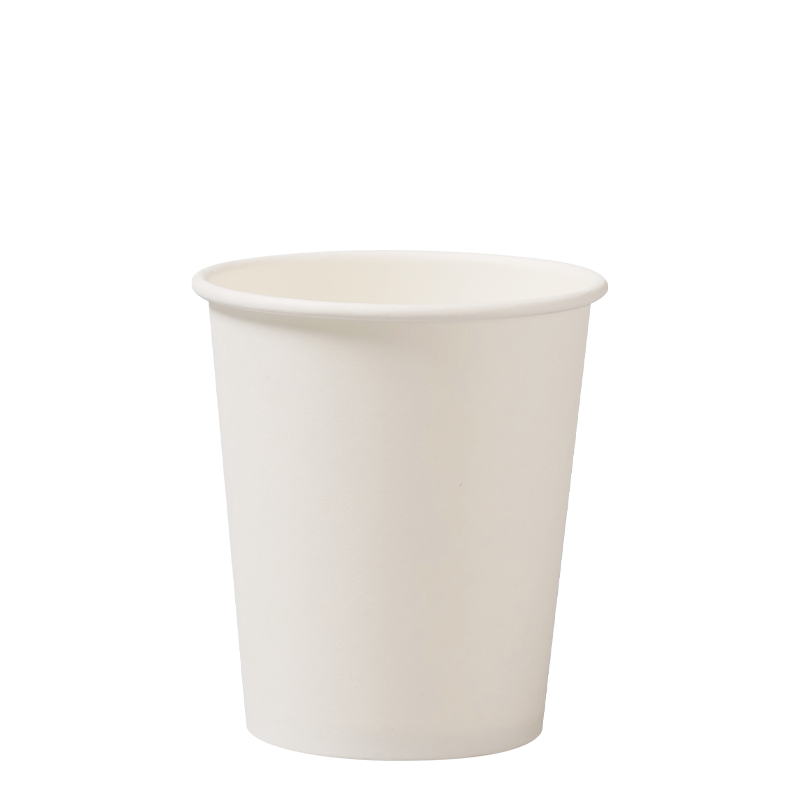
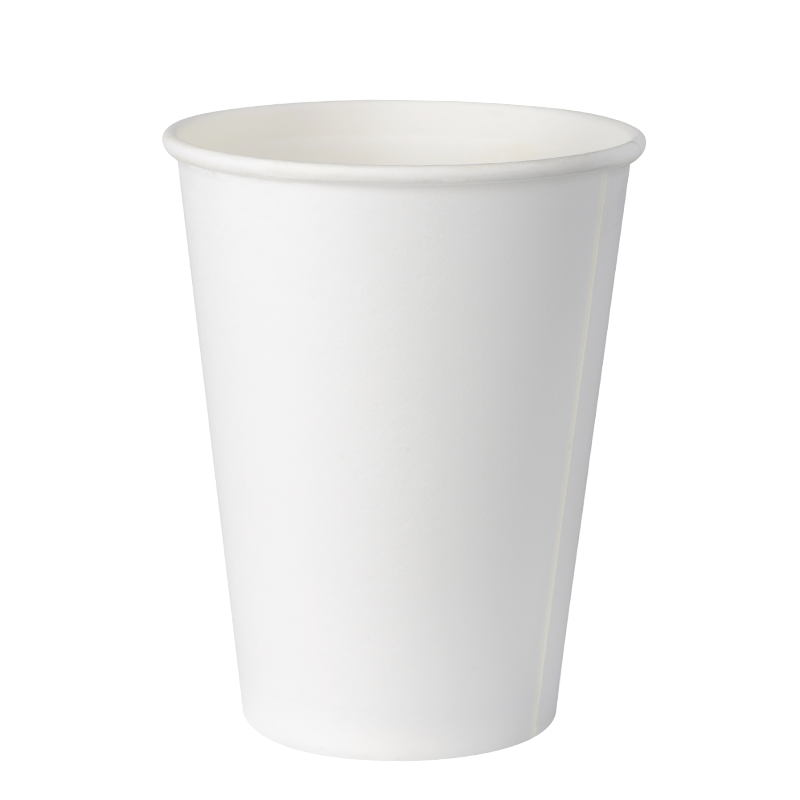
Cups built with less than 5% PE coating by weight sit at that lower end. The thinner film still delivers the leak resistance and heat tolerance a hot or cold beverage cup needs, but it leaves far less plastic behind once the fiber is pulped. For a mill evaluating whether to keep accepting a supplier's cups, that difference between a standard coating and a genuinely minimized one can be the deciding factor.
There's a practical ceiling here worth acknowledging. Push PE too thin and the cup risks seam failure, sweating, or softening under hot liquid — the same durability complaints that made early "eco" cups a hard sell with foodservice operators. The better low-PE designs solve for both ends: a coating light enough to please a mill's repulping line, but still consistent enough to survive a normal service life without embarrassing anyone at the counter.
Plastic-Free and Water-Based Coatings Gaining Ground
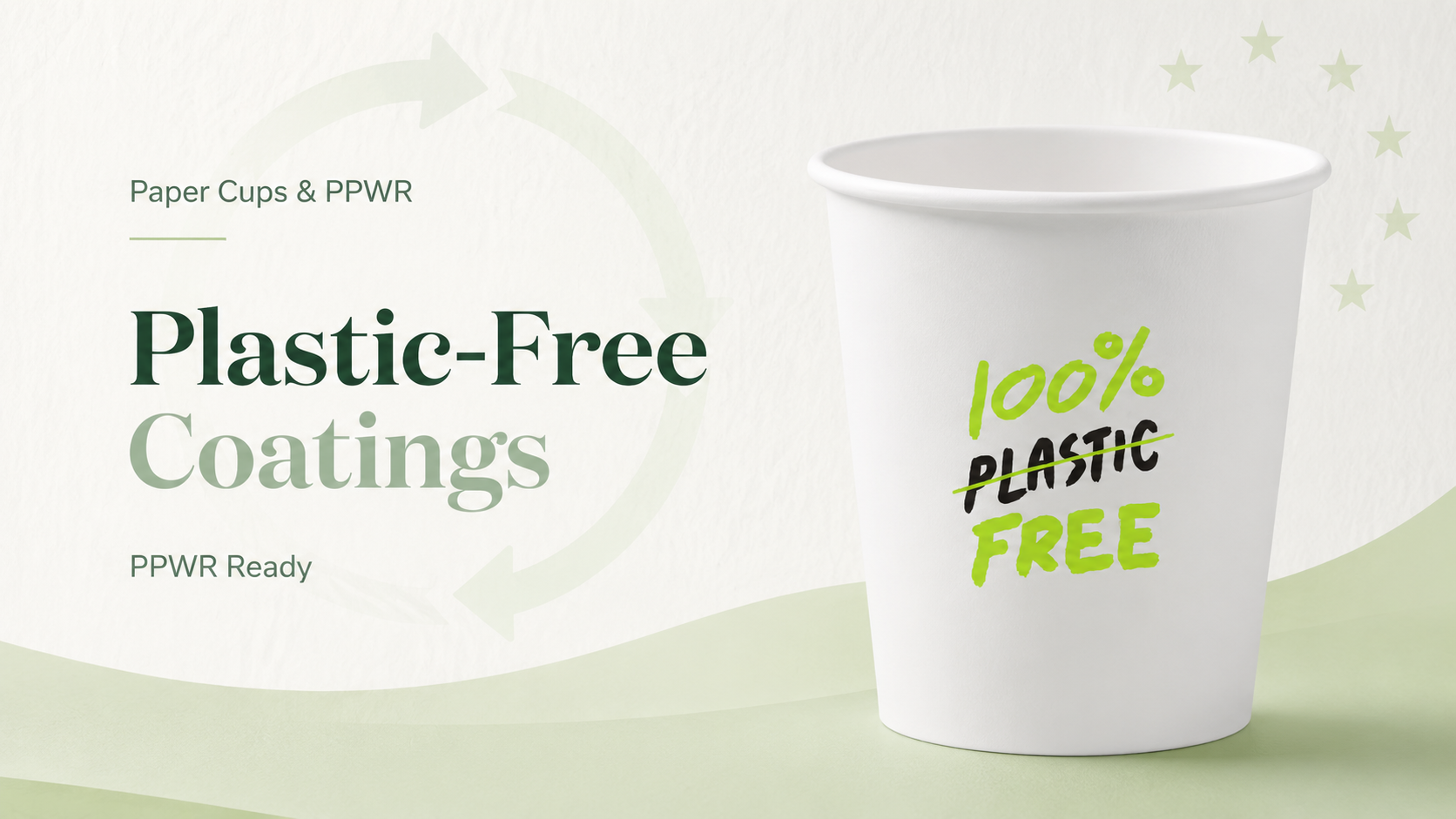
Beyond thinning the PE layer, a growing share of cup development has moved toward removing it altogether. Water-based, or aqueous, coatings apply a barrier through a dispersion process rather than a plastic film, and they've matured enough in recent years to hold up in commercial foodservice settings.
Aqueous-coated cups repulp with far less residual contamination than PE-lined stock, since there's no plastic film to mechanically separate in the first place. That makes them straightforward candidates for mills that already handle general mixed paper, without requiring the specialized de-lamination step cup recycling otherwise depends on.
Fully plastic-free paper cup constructions take this further, eliminating petroleum-based barrier materials entirely in favor of plant-based or fiber-based alternatives. For brands facing packaging regulation in markets like the EU, where extended producer responsibility rules increasingly penalize non-recyclable coatings, this isn't just a recycling nicety — it's becoming a compliance requirement. A cup that repulps cleanly and carries no plastic component clears both bars at once.
What Buyers Should Ask Suppliers Before Placing an Order
Coating specifications rarely show up on a standard product spec sheet, which means the burden falls on the buyer to ask. A few questions separate a genuinely mill-friendly cup from one that only markets itself that way:
- What is the exact PE content by weight, not just a marketing claim of "reduced plastic"
- Has the coating been tested through an actual repulping trial, and can results be shared
- Is the barrier water-based, plant-based, or conventional polyethylene
- Does the cup meet the material specifications recognized by recyclers in the markets where it will be sold
- Can the supplier document consistent coating thickness across production runs, not just a single sample batch
Vague sustainability language is common in this category. A supplier who can answer these questions with data, rather than adjectives, is the one worth building a long-term order around.
The Payoff: Wider Mill Acceptance, Stronger End Markets
None of this is guesswork anymore. Mills have made clear what they need to keep cup fiber flowing through their systems, and cup design has largely caught up. Buyers who source from the wider range of eco-friendly paper cup options now available — low-PE, aqueous, or fully plastic-free — are choosing cups built to move through the recycling system rather than around it.
The advantage compounds over time. A cup that mills want to keep accepting supports steadier end markets, which in turn supports more consistent pricing and supply for the brands buying at volume. Coating choice, once a minor spec detail, has become one of the more consequential decisions in the paper cup supply chain.