+86-18863350588
 English
 Français
 Deutsch
 Español

Microwave Safe Containers: A Complete Safety & Materials Guide
Content
- 1 Common Materials Used for Microwave Safe Containers
- 2 Characteristics of Microwave Safe Containers
- 3 Typical Examples of Microwave Safe and Unsafe Containers
- 4 Typical To-Go Containers Found in Everyday Use
- 5 When Are To-Go Containers Microwave Safe?
- 6 Risks of Microwaving Unlabeled To-Go Containers
- 7 Practical Guidelines for Using To-Go Containers in the Microwave
- 8 Key Ways to Identify a Microwave Safe Container
- 9 Understanding Common Markings and What They Do Not Mean
- 10 Simple At-Home Test for Questionable Containers
- 11 Red Flags That Suggest a Container Is Not Microwave Safe
- 12 Common Microwave Safe Symbols on Plastic Containers
- 13 What Recycling Numbers on Plastic Mean for Microwave Safety
- 14 Important Limitations of “Microwave Safe” Plastic
- 15 Is Wheat Straw Plastic Microwave Safe?
- 16 Can You Put a Paper Bowl in the Microwave?
- 17 Can You Microwave Paper Takeout Containers?
- 18 Can You Microwave Compostable Containers?
- 19 Can You Microwave Aluminum Containers?
- 20 Why Metal and Microwaves Generally Do Not Mix
- 21 Are Tin Containers Microwave Safe?
- 22 Safer Alternatives to Metal Containers in the Microwave
- 23 Simple Rules for Choosing Microwave Safe Containers
- 24 Quick Reference: Common Containers and Their Microwave Suitability
- 25 Healthy and Safe Habits for Everyday Microwaving
- 26 Why Container Choice Matters for Long-Term Health and Appliance Care
- 27 Common Types of Microwave Safe Containers
- 28 Key Characteristics of Microwave Safe Containers
- 29 Examples of Containers That Are Usually Not Microwave Safe
- 30 One-Minute Rules for Everyday Microwave Use
Microwave safe containers are food containers that can withstand typical microwave heating without melting, warping, cracking, or leaching harmful chemicals into food. They are designed to tolerate rapid temperature changes and uneven heating patterns that occur in a microwave, protecting both the food and the user. In practical terms, this means the container remains structurally stable, does not release strong odors or discolor, and does not cause sparking or fire during normal use.
A key feature of microwave safe containers is their ability to handle both the heat generated inside the food and the interaction with microwave energy itself. Safe materials absorb or transmit microwaves in a controlled way, allowing the food to heat while the container remains relatively stable and cool to the touch. Unsafe materials, by contrast, may overheat, deform, or interact with microwave radiation in dangerous ways, such as creating hot spots, releasing fumes, or causing electrical arcing.
Common Materials Used for Microwave Safe Containers
Microwave safe containers are typically made from materials that can handle temperatures well above the boiling point of water and do not react chemically with food when heated. Not every glass, plastic, or ceramic item is automatically microwave safe, but some types are more reliable than others. Understanding the usual materials helps you quickly recognize safer options when choosing containers at home or in a store.
| Material | Typical Microwave Safety | Key Considerations |
| Heat-resistant glass | Generally safe | Avoid cracked or chipped glass; remove metallic rims or decorations. |
| Ceramic and stoneware | Often safe | Ensure they are labeled for microwave use and free of metal accents or foils. |
| Microwave-safe plastic | Conditionally safe | Must be clearly marked; avoid using if warped, discolored, or heavily scratched. |
| Silicone containers | Often safe | Check maximum temperature rating; some thin products may soften at high heat. |
These common materials are widely used because they maintain integrity under microwave conditions and are relatively inert at cooking temperatures. However, the safety of any individual item still depends on its specific design, thickness, and manufacturer testing. Look for explicit microwave safe labeling, and avoid any container that shows signs of damage or prior overheating.
Characteristics of Microwave Safe Containers
Microwave safe containers share a set of physical and performance characteristics that distinguish them from unsuitable options. These qualities are important because microwave ovens heat food unevenly and can create local hot spots, especially in thick or fatty foods. A safe container must tolerate these conditions repeatedly without degrading or creating new hazards.
- Thermal stability: A microwave safe container can handle rapid temperature rises and falls without cracking, warping, or softening. It should remain structurally sound when exposed to boiling liquids or steam and should not noticeably deform during normal cooking times.
- Chemical safety: The material does not release harmful chemicals, odors, or flavors into food when heated. This is especially important for plastics, which may contain additives or plasticizers that are not intended for high-temperature use if the item is not designed for microwaving.
- Non-reactive surface: Microwave safe containers do not react with acidic, salty, or oily foods under heat. The inner surface should resist staining and should not break down or become sticky when repeatedly exposed to sauces, fats, or tomato-based dishes.
- Microwave compatibility: The container does not contain metal layers, metallic paints, or reflective coatings that can cause sparking or interfere with microwave energy. Any included lid or accessory should also be free of exposed metal parts, staples, or foil.
In addition, well-designed microwave safe containers often include features that improve usability, such as vented lids that allow steam to escape and reduce the risk of pressure buildup, or handles that stay relatively cooler for easier removal from the oven. These extra design details do not define microwave safety by themselves, but they make safe daily use more convenient and reliable.
Typical Examples of Microwave Safe and Unsafe Containers
Recognizing the difference between typical safe and unsafe containers helps users make quick decisions in real kitchens, offices, or dorm rooms. Many containers look similar at a glance, but they behave very differently under microwave conditions. The following examples illustrate common patterns that people encounter when reheating food or cooking simple meals.
| Example | Usually Microwave Safe? | Notes |
| Glass food storage container labeled “microwave safe” | Yes | Remove airtight plastic lids or open vents to prevent pressure buildup. |
| Plain ceramic dish without metallic trim | Often | Check bottom for microwave safe markings; avoid very old or visibly cracked pieces. |
| Thin, unmarked takeout plastic container | Not reliable | May warp or leach chemicals; transferring food to a known safe container is generally safer. |
| Metal or foil tray | No in typical home use | Can cause sparking and uneven heating; most home microwave instructions advise against it. |
Although there are occasional exceptions based on manufacturer testing and special oven designs, most households benefit from following conservative guidelines and relying primarily on clearly labeled glass, ceramic, and microwave safe plastic containers. When in doubt, transferring food to a known microwave safe option minimizes the risk of damage to the appliance and helps protect food quality and safety.
Typical To-Go Containers Found in Everyday Use
To-go containers come in many shapes, sizes, and materials, and not all of them are designed to handle microwave heating. Some are built for short-term transportation only, while others are specifically engineered to be reheated. Understanding the basic categories makes it much easier to decide whether it is safe to reheat leftovers directly in the original packaging or whether you should move the food into a different dish first.
Common to-go containers include thin plastic clamshell boxes used for salads or pastries, sturdier black or clear plastic tubs for hot entrees, folded paper cartons for noodles and rice, molded fiber or “eco” containers for bowls and salads, and metal or foil trays for baked dishes. Each of these has different reactions to microwave energy, and relying on appearance alone can be misleading, because items that look similar may be made from very different materials.
| Common To-Go Container Type | Typical Use | Initial Microwave Suitability |
| Thin, clear plastic clamshell box | Cold salads, pastries, chilled snacks | Generally not suitable; often not tested for high heat. |
| Sturdy plastic entree container with snap lid | Hot meals, curries, pasta, rice dishes | Sometimes suitable if labeled; must be checked individually. |
| Folded paper takeout box | Noodles, rice, stir-fries | Uncertain; may include metal staples or coatings that are not microwave safe. |
| Molded fiber or “eco” compostable bowl | Grain bowls, salads, warm dishes | Varies widely; some are rated microwave safe, others are not. |
| Aluminum or foil tray | Baked pasta, roasted meats, oven dishes | Typically not recommended in home microwaves. |
Because restaurants and food vendors prioritize cost, storage, and presentation, they may not always choose packaging with microwave reheating in mind. Some containers are perfectly adequate for a short ride home but were never intended to be exposed to high temperatures. For this reason, the safest approach is to treat to-go packaging as “transport-only” unless it is explicitly labeled as microwave safe.
When Are To-Go Containers Microwave Safe?
A to-go container can be considered microwave safe only if the manufacturer has designed and tested it for that purpose, and this is communicated clearly on the packaging or the container itself. Look for direct statements such as “microwave safe,” specific microwave icons, or heating instructions that mention microwaving. If such information is missing, the default assumption should be that the container was not tested for microwave use, even if it appears sturdy or survived one previous reheating without visible damage.
Even among containers that are marked as microwave safe, there are important limitations. Many are intended for short reheating periods rather than full cooking cycles, and they may not perform well with very oily meals or sauces that can exceed the boiling point of water. Lids often have different heat tolerances from the bases, and steam can build up quickly if vents are not opened. Following the specific time, power, and venting instructions provided by the manufacturer helps keep reheating within the range for which the container was tested.
- Clear labeling: The most reliable sign of a microwave safe to-go container is explicit labeling on the bottom or side of the container. Without this, you are guessing about its heat resistance and chemical stability.
- Short reheating, not long cooking: Many to-go containers are designed for brief reheating of leftovers, typically a few minutes at moderate power. Long, high-power cooking cycles increase the risk of warping, softening, and chemical migration from the material into the food.
- Lid and base treated separately: Even when the container base is safe, the lid may not withstand high temperatures. Some lids are meant only for storage or transport and should be removed or loosely placed rather than sealed during microwaving.
From a practical standpoint, a to-go container is “safe enough” for microwaving only when you can combine clear labeling, reasonable heating times, and visible structural stability. If the material becomes unusually soft, emits a strong odor, or shows signs of distortion during use, it should be discarded rather than reused, even if it once carried a microwave safe label.
Risks of Microwaving Unlabeled To-Go Containers
Microwaving an unlabeled or obviously fragile to-go container can introduce several types of risk, from minor messes to serious safety or health concerns. Thin plastics, decorative coatings, and composite materials may behave unpredictably when exposed to microwave energy and the high temperatures of hot food. While a container might appear unchanged after a brief reheat, the underlying material could still have been stressed or partially degraded.
- Melting, warping, or leaking: Lightweight plastic boxes and lids can soften or warp when heated, especially when in contact with very hot spots in the food. This may lead to spills inside the microwave, uneven heating, or burns when the food suddenly shifts or leaks as you remove it.
- Chemical migration into food: Some plastics and coatings are not formulated for high temperatures and can release components into food when heated. Oily or fatty foods are particularly effective at drawing out such compounds. Without clear microwave safe certification, it is difficult to know how a specific material behaves under heat over time.
- Sparking and fire hazards: Certain to-go containers contain hidden or unexpected metal elements, such as staples, metallic printing, or concealed foil layers. In a microwave, these pieces can spark, damage the interior of the oven, or ignite nearby food or packaging if conditions are extreme.
- Damage to the appliance: Severe warping, burning, or sparking does not just ruin the container; it can stain or damage the interior surfaces of the microwave and affect performance. In extreme cases, it may require repairs or replacement of the oven.
Because these risks are not always obvious in a single use, repeatedly microwaving the same type of unlabeled to-go container can gradually increase the chance of a problem. For this reason, many food safety guidelines recommend transferring leftovers into a known microwave safe container rather than relying on disposable packaging that was primarily designed for transport and presentation.
Practical Guidelines for Using To-Go Containers in the Microwave
In everyday situations, people often decide whether to microwave a to-go container in just a few seconds. A simple set of practical guidelines can make those quick decisions safer and more consistent. Rather than trying to memorize every possible material, focus on a few clear checks and habits that apply widely across different container types and restaurants.
- Check for labels first: Turn the container over and look for “microwave safe” wording or a microwave icon. If you do not see anything, assume it is not tested for microwave use, no matter how sturdy it looks or how often similar boxes have been microwaved in the past.
- Transfer when in doubt: If there is any uncertainty about the material, move the food to a glass or ceramic dish that you know is safe. This takes a little extra time but significantly reduces the chance of chemical leaching, melting, or sparking.
- Remove or vent lids: Do not microwave tightly sealed to-go containers, even if they are safe in principle. Open the lid slightly or remove it completely to let steam escape and prevent pressure buildup that can cause sudden spills or deformation.
- Use shorter heating intervals: Reheat food in shorter bursts, stirring or checking between intervals. This keeps the container from becoming excessively hot, reduces stress on the material, and helps food warm more evenly.
- Discard damaged containers: If a to-go container becomes warped, discolored, or cracked after microwaving, do not reuse it. Its structure and safety characteristics have likely changed, even if it still appears mostly intact.
Following these guidelines makes it easier to enjoy leftovers and takeout without compromising safety. Over time, building the habit of checking labels and keeping a few reliable microwave safe containers at home or at work reduces the temptation to rely on disposable to-go packaging for heating and ensures more consistent results every time you reheat a meal.
Key Ways to Identify a Microwave Safe Container
Identifying whether a container is microwave safe starts with examining the item itself for clear visual cues and manufacturer information. Most containers designed for microwave use will include symbols, wording, or care instructions that explicitly mention microwaving. By taking a moment to check the bottom, sides, or packaging, you can often avoid guesswork and significantly reduce the risk of using an unsuitable container.
- Search for explicit text: Look for clear phrases such as “Microwave Safe,” “Microwaveable,” or similar wording in English or local languages. This is the most straightforward indicator that the container has been tested to withstand typical microwave conditions without melting, warping, or releasing harmful substances.
- Look for microwave icons: Many manufacturers use small icons to indicate microwave compatibility. These may include a stylized microwave oven, wavy lines representing heat, or a dish with steam rising from it. When such icons are present near other care symbols (like dishwasher or freezer icons), they generally signify the container is suitable for microwave use under normal conditions.
- Check original packaging or product inserts: If the container is part of a storage set or a reusable product, the box, sleeve, or product insert often provides more detailed information than the container itself. Instructions may specify safe time limits, maximum temperatures, or warnings such as “Microwave reheating only, not for cooking.”
When a container lacks written text or icons and comes from an unknown or disposable source, there is usually no reliable way to confirm that it is microwave safe just by appearance. In those cases, treating the container as non-microwavable and transferring food to a clearly labeled, reusable dish is the safest decision.
Understanding Common Markings and What They Do Not Mean
Many containers carry a variety of markings that can be confusing at first glance. It is important to understand that not every symbol or phrase on the bottom of a container relates to microwave safety. Some markings describe recyclability, food contact safety, or intended storage conditions, and they should not be mistaken for microwave approval.
| Marking or Symbol | What It Indicates | Relation to Microwave Use |
| Recycling triangle with numbers (e.g., 1, 2, 5) | Type of plastic and recyclability category | Does not guarantee microwave safety; only identifies material type. |
| Glass-and-fork symbol | Suitable for food contact (food-grade material) | Means it is safe for food, but not necessarily safe to heat in a microwave. |
| Snowflake icon | Freezer safe or cold-resistant | Indicates low-temperature tolerance, not high-heat or microwave suitability. |
| Dishwasher spray or rack icon | Dishwasher safe under certain conditions | Dishwashing uses hot water, but this still does not confirm microwave safety. |
These markings are helpful for understanding how a container should be stored, cleaned, and recycled, but they cannot be used as substitutes for explicit microwave safe indicators. When a container shows only recycling codes, food-grade symbols, or dishwasher/freezer icons, you should still look elsewhere for specific microwave labeling before using it in the oven.
Simple At-Home Test for Questionable Containers
If a rigid, non-metallic container has no clear microwave labeling but appears durable and you are tempted to use it, a simple at-home test can give you additional clues. This test does not replace manufacturer certification and should never be used on metal or metallic-looking items, but it can help you avoid containers that absorb excessive microwave energy or become dangerously hot on their own.
- Step 1: Prepare a cup of water. Fill a microwave safe glass or ceramic cup with water. Place the cup in the microwave along with the empty container you want to test. The cup serves as a “load” to absorb microwave energy and helps prevent damage to the appliance during the short test.
- Step 2: Heat for a short interval. Run the microwave on high power for about one minute. Do not extend the time, and stop the test immediately if you notice any unusual odors, visible deformation, or signs of melting from the container under evaluation.
- Step 3: Check the temperature of the container. Carefully touch the container. If it remains relatively cool or just slightly warm while the water in the cup is hot, the material is likely not absorbing much microwave energy and may be more suitable for microwave use. If the container itself becomes very hot while the water is only lukewarm, it is absorbing significant energy and is not a good candidate for microwaving food.
This test offers a rough indication of how the container behaves in a microwave, but it does not evaluate chemical safety, long-term durability, or manufacturer testing. Even if a container passes this quick check, it is still safer to rely on products that are explicitly labeled as microwave safe whenever possible.
Red Flags That Suggest a Container Is Not Microwave Safe
Certain visual and physical clues strongly suggest that a container is not appropriate for microwave use. Paying attention to these red flags can help you avoid containers that are likely to melt, leach chemicals, or pose fire and sparking hazards. These warning signs are especially important when dealing with disposable packaging, older plastic items, or containers of uncertain origin.
- Presence of metal or metallic finishes: Any container with visible metal parts, such as aluminum foil layers, metallic trims, staples, or shiny metallic logos, should be kept out of the microwave. These elements can cause sparks, damage the interior of the oven, and in extreme cases ignite nearby materials or food.
- Very thin, flexible plastic: Lightweight, flimsy plastic that bends easily or makes a crinkling sound is often designed for cold storage or single-use transport only. Such plastics can warp, melt, or release odors when exposed to high heat, especially when they contact hot, oily food directly after microwaving.
- Signs of previous heat damage: Containers that show bubbling, blistering, discoloration, or permanent warping from earlier use have likely been overheated. Reusing them in the microwave can make the material more unstable and increase the chance of cracking, leaking, or chemical migration into food.
- Strong plastic or chemical odor when heated: If a container gives off a noticeable smell during a brief microwave test or when used to reheat food, this is a warning sign that the material may not be suitable for high temperatures. Persistent odors suggest the container is degrading or releasing volatile compounds.
When any of these red flags appear, the safest course of action is to stop using the container in the microwave and switch to a known microwave safe alternative. Over time, relying on clear labels, basic tests, and attention to warning signs helps create a more consistent and safe approach to microwaving food in different types of containers.
Common Microwave Safe Symbols on Plastic Containers
Plastic containers often rely on small icons or phrases to communicate whether they are suitable for microwave use. These markings are usually molded into the bottom of the container, printed on a label, or included on the product packaging. Learning to recognize the most common microwave safe symbols makes it much easier to decide, at a glance, whether a plastic container is intended to handle reheating or cooking in a microwave oven.
| Symbol or Label | Typical Appearance | Meaning for Microwave Use |
| “Microwave Safe” text | Clear words such as “Microwave Safe” or “Microwaveable” | Container has been designed and tested for typical microwave heating conditions. |
| Microwave oven icon | Small box shape with a door line or control panel | Indicates suitability for microwave use, often alongside other care symbols. |
| Wavy lines symbol | Two or three horizontal wavy lines above or around a dish or container | Represents heat or microwaves and usually means the item is safe to heat in a microwave. |
| Time- or temperature-specific icon | Microwave icon with numbers, minutes, or temperature ranges | Safe only under specified conditions, such as short reheating times or limited power. |
These symbols and labels are the most direct indicators that a plastic container is appropriate for microwave use. However, they may be small, faint, or partially obscured by scratches or printed labels, so it is worth checking carefully. When in doubt, refer to the original packaging or instructions for clarification, because some products specify that they are safe only for reheating rather than full cooking cycles.
What Recycling Numbers on Plastic Mean for Microwave Safety
Many plastic containers carry a recycling symbol with a number inside a triangle of arrows, indicating the type of plastic resin used. While these codes are helpful for sorting and recycling, they are not direct approvals for microwave use. However, understanding the general characteristics of common plastic types can provide context for why some containers are more likely to be microwave safe when properly labeled.
| Code | Plastic Type (Typical Use) | General Note on Microwave Use |
| 1 (PET or PETE) | Beverage bottles, some salad dressing bottles | Usually not intended for microwaving; commonly used for single-use, cold applications. |
| 2 (HDPE) | Milk jugs, detergent bottles, some food containers | Some items may handle warm temperatures, but check for explicit microwave safe labeling. |
| 4 (LDPE) | Squeezable bottles, plastic wraps, flexible lids | Flexibility can make it prone to warping; rely on microwave safe markings rather than the code alone. |
| 5 (PP) | Many reusable food containers, yogurt cups, some microwavable products | Often used for microwave safe containers, but still requires explicit microwave labeling for confirmation. |
These resin identification codes help explain why many microwave safe plastic containers are made from specific types of plastic, such as polypropylene (PP, #5), which tolerates higher temperatures. Still, the presence of any particular recycling number does not guarantee safety in the microwave. The only reliable indicator remains a clear statement or symbol from the manufacturer that the container is intended for microwave use.
Important Limitations of “Microwave Safe” Plastic
Even when a plastic container carries microwave safe symbols, it is not indestructible. The label usually means the product has passed tests under controlled conditions, but real-world use can involve stronger heating, longer times, and more demanding foods than the tests anticipated. Recognizing the limitations of microwave safe plastic helps you use these containers more safely and extend their useful life.
- Designed more for reheating than cooking: Many microwave safe plastic containers are intended primarily for reheating precooked food, not for cooking raw ingredients from scratch. Long, high-power cycles can push the material beyond its tested temperature range, leading to warping or softening even if the container is technically microwave safe.
- Oily and sugary foods get hotter: Foods high in fat or sugar can reach temperatures well above the boiling point of water in a microwave. These hot spots can place extra stress on the plastic, especially at corners, edges, and thin sections, making it more likely to deform or degrade over time.
- Damage accumulates with repeated use: Each heating cycle can contribute to tiny cracks, scratches, or changes in the plastic surface. As this damage adds up, the container may become more prone to staining, absorbing odors, or releasing small amounts of material into the food, even if it was originally labeled as microwave safe.
- Not all parts are equally heat resistant: Lids, seals, and clips are sometimes made from different plastics or include small components that have lower heat tolerance than the main body. A container may be microwave safe overall, but a soft lid or seal can still warp or become misshapen if heated too long or kept fully sealed.
Because of these limitations, it is wise to use moderate power settings, shorter heating intervals, and plenty of stirring when microwaving food in plastic containers. If a container becomes deeply stained, heavily scratched, or noticeably warped, it is safer to retire it from microwave use, even if the original symbols still claim it is microwave safe.
Is Wheat Straw Plastic Microwave Safe?
Wheat straw plastic is a composite material that blends finely ground wheat straw fibers with a plastic base, often polypropylene (PP). It is marketed as a more sustainable alternative to conventional plastics because it uses agricultural by-products and can reduce the total amount of petroleum-based resin. Many cups, plates, and lunch boxes made from wheat straw plastic claim to be microwave friendly, but their actual safety depends on the specific formulation and manufacturer testing.
In general, wheat straw plastic can be microwave safe if the underlying plastic resin and the overall product have been designed and tested for microwave use. Products that are truly suitable typically carry clear labels such as “Microwave Safe” or show microwave icons on the bottom or packaging. Some may also specify a maximum temperature or recommended reheating times. Without these markings, it is not possible to assume that every wheat straw plastic item is safe to use in the microwave.
- Check for explicit labeling: Because wheat straw plastic can vary in composition, the most reliable way to judge microwave safety is to look for clear microwave safe symbols or instructions from the manufacturer. The visible presence of straw fibers is not, by itself, a guarantee of heat resistance or safety at high temperatures.
- Respect time and temperature limits: Even when labeled microwave safe, wheat straw plastic items are usually intended for short reheating periods. Avoid prolonged high-power cooking, especially with very hot liquids or oily foods that can push the material toward its thermal limits and increase the chance of warping or discoloration.
- Watch for signs of degradation: If a wheat straw plastic container develops cracks, rough edges, or noticeable changes in color or texture after microwaving, it may have been overheated. Continuing to use a damaged container in the microwave can raise the risk of structural failure or increased migration of components into food.
Because “wheat straw” is a marketing term that can cover a range of formulations, the safest approach is always to follow the specific instructions provided for each product. Treat the material as you would any other plastic: rely on explicit microwave safe markings, use moderate heating practices, and replace items that show clear signs of wear or damage from repeated microwave use.
Can You Put a Paper Bowl in the Microwave?
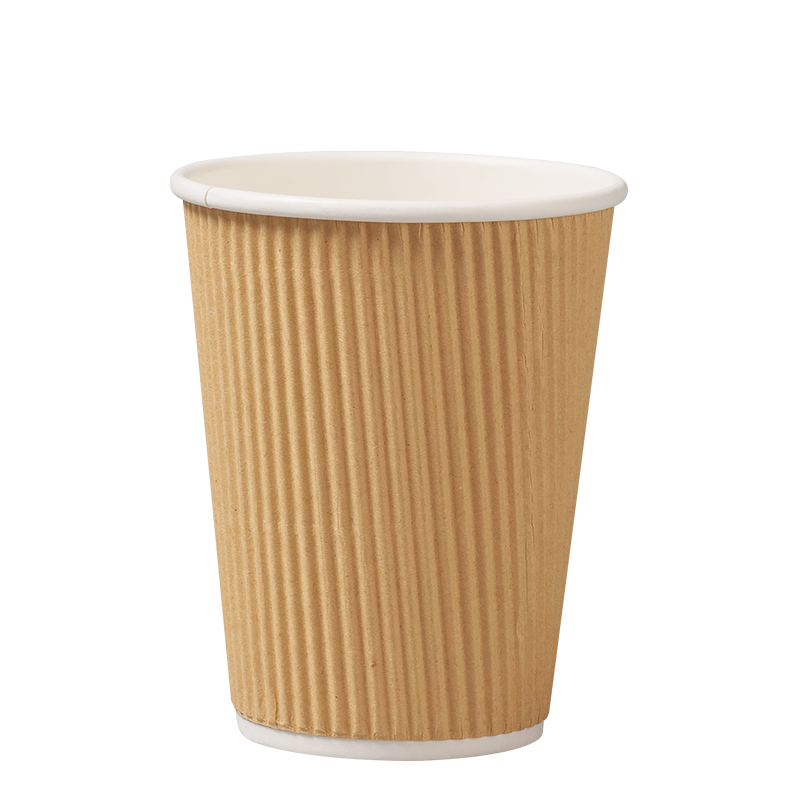
Paper bowls are widely used for snacks, instant noodles, takeout soups, and cereals, which makes it very tempting to place them directly into the microwave. However, not all paper bowls are built to handle high heat, steam, and prolonged contact with hot liquids. Most disposable paper bowls are made from a combination of paper fibers and an inner lining or coating that prevents leaks, and this inner layer is often the critical factor that determines whether the bowl is safe to microwave. Some coatings are designed to tolerate heat, while others may soften, deform, or break down when exposed to boiling contents or microwave energy.
As a general rule, you should only microwave paper bowls that are clearly marked as microwave safe by the manufacturer. This labeling indicates that both the paper and any inner coating have been tested to withstand typical reheating conditions without rapidly soaking through, losing shape, or releasing unexpected odors. Unmarked paper bowls, especially very thin or bargain varieties, are best treated as serving or transport containers rather than cooking vessels, and food should be transferred to a known microwave safe glass or ceramic dish whenever possible.
- Coated vs. uncoated paper: Most paper bowls used for wet or greasy foods have a thin plastic or wax coating inside. Microwave safe products use coatings that maintain stability under heat, while untested coatings may soften, blister, or contribute to off-flavors when exposed to very hot liquids or prolonged microwaving.
- Intended use matters: Bowls designed for instant soups or oatmeal are more likely to be microwave safe and labeled accordingly. Decorative party bowls or very inexpensive plain paper bowls, on the other hand, are often meant only for short-term serving of room-temperature or mildly warm foods.
Even when a paper bowl is advertised as microwave safe, it is still wise to use moderate heating times, especially with large volumes of hot liquids. Very long or repeated heating cycles can weaken the paper structure, leading to soft spots or sudden leaks when you lift the bowl. To reduce the risk of spills and burns, use short intervals, stir occasionally, and place the bowl on a plate in case it begins to lose strength as the food approaches boiling.
Can You Microwave Paper Takeout Containers?
Paper takeout containers, such as folded boxes for noodles or rice and cardboard cartons for leftovers, sit in a gray area when it comes to microwave use. While they are made primarily from paper or cardboard, many include additional materials such as internal coatings, adhesives, and even metal staples that complicate their behavior in a microwave. Some paper cartons are specifically labeled as microwavable and can safely handle moderate reheating, but many are not tested for this purpose and may pose risks if heated.
The safest approach is to treat paper takeout containers as transport and short-term storage packaging unless they carry explicit microwave safe labeling. Unlabeled cartons may have linings that soften or bubble under heat, glues that break down, or inks that are not formulated for high temperatures. When these containers hold oily stir-fries, sauces, or curries, the higher temperatures reached by the food can stress the materials even more, increasing the chance of leaks, odors, or off-tastes.
- Watch for hidden metal: Classic folded paper takeout boxes sometimes use tiny metal staples to hold the handle or seams in place. These metal pieces can spark in the microwave and should be considered an automatic sign that the container is not suitable for microwaving, even if most of it is paper.
- Printed logos and heavy inks: Bold, heavily inked designs or metallic-looking prints may react poorly to microwave heating, particularly if the ink is not rated for high temperatures. This can lead to discoloration, unwanted smells, or, in extreme cases, scorching of the printed areas.
If you decide to microwave a paper takeout container that is explicitly marked as microwave safe, open the top flaps or remove the lid to allow steam to escape, and use short bursts of heating with stirring in between. For unlabeled containers, transferring the food to a microwave safe plate or bowl is the more reliable choice. This simple step avoids unpleasant surprises like weakening of the carton, sudden leaks onto the turntable, or potential burning of the container itself.
Can You Microwave Compostable Containers?
Compostable containers, often marketed as eco-friendly or plant-based, are made from materials such as molded fiber, bagasse (sugarcane fiber), PLA (a bioplastic derived from corn starch), or blends of natural fibers and biodegradable polymers. Their primary purpose is to break down under the right composting conditions, reducing long-term waste. However, this environmental advantage does not automatically mean they are safe to heat in a microwave. In fact, some compostable materials can be more sensitive to heat and moisture than conventional plastics or ceramics.
Whether a compostable container can be microwaved depends entirely on its specific design and the manufacturer’s testing. Some molded fiber bowls and trays are clearly labeled as microwave safe and can handle moderate reheating, while others are explicitly marked “Not for microwave use” due to their limited heat tolerance. PLA-based containers, which are common for cold drinks and salads, usually begin to soften at relatively low temperatures and are typically not suitable for hot foods or microwaving unless clearly indicated otherwise.
| Compostable Material Type | Common Uses | Typical Microwave Guidance |
| Molded fiber or bagasse bowls | Hot bowls, takeout plates, clamshell containers | Some are microwave safe; always check for labeling and avoid very long reheats. |
| PLA bioplastic cups and lids | Cold beverages, salad containers, dessert cups | Generally not microwave safe; tend to soften at relatively low temperatures. |
| Fiber-plastic composite trays | Prepared meals, frozen ready-to-heat dishes | Often designed for microwaving, but follow the specific heating instructions closely. |
It is crucial to separate the idea of “environmentally friendly” from “heat resistant.” A container that breaks down efficiently in a composting facility might soften, sag, or leak when filled with very hot food or exposed to extended microwave heating. For safe use, look for compostable products that clearly state they are microwave safe and follow any recommended limits on time, temperature, and type of food, particularly when reheating oily or saucy dishes that can reach higher temperatures.
When compostable containers are not labeled for microwave use, treat them as you would any untested packaging: transfer the contents to a known microwave safe glass or ceramic dish before reheating. This approach protects both your meal and the integrity of the container, while still allowing you to benefit from compostable options for serving and disposal in situations where microwaving is not required.
Can You Microwave Aluminum Containers?
Aluminum containers, including foil trays and pans, are popular for baking, roasting, and transporting food because they are lightweight, conduct heat well in conventional ovens, and can be disposed of or recycled after use. In a microwave, however, aluminum behaves very differently. Metal reflects microwave energy rather than absorbing it, so placing an aluminum container in a microwave can interfere with the way the oven operates and, under some conditions, create sparks or visible arcing between the metal and the walls of the appliance.
Most home microwave manuals caution against using metal containers, and aluminum trays are often singled out as examples of items that should not be used unless the oven and the packaging have been specifically designed for that purpose. While certain commercial microwave systems and specially tested products can safely use aluminum in controlled ways, these situations are carefully engineered and do not apply to typical household reheating of leftovers in standard foil trays or takeout pans.
| Situation with Aluminum Container | Microwave Safety Assessment | Recommended Action |
| Standard household microwave, generic foil tray of leftovers | Generally unsafe and not recommended | Transfer food to a glass or ceramic dish before reheating. |
| Prepackaged meal with explicit instructions allowing microwaving in the foil | Potentially safe only if directions and oven compatibility are clear | Follow package and microwave manual strictly; if unsure, avoid using the foil. |
| Crumpled pieces of aluminum foil used as covers or supports | High risk of sparking and arcing | Do not place crumpled foil in the microwave; use microwave safe covers instead. |
In everyday home use, the safest policy is to avoid microwaving aluminum containers altogether. Even when no obvious sparks appear, metal trays can prevent food from heating evenly, leaving cold spots in the center while edges overheat. This uneven heating can affect food safety and quality. Transferring food out of aluminum and into a microwave safe glass or ceramic container eliminates these issues and aligns with the guidance provided by most microwave manufacturers.
Why Metal and Microwaves Generally Do Not Mix
Microwaves heat food by causing water molecules and certain other components within the food to vibrate rapidly, generating heat from the inside. Metals such as aluminum and tin, on the other hand, conduct electricity and reflect microwave energy. When a metal surface is placed in a microwave, electromagnetic waves can bounce around it rather than being absorbed. If the metal has sharp edges, thin points, or is very close to the interior walls of the microwave, the concentrated electric fields can cause sparks or small arcs of electricity.
Flat, smooth metal surfaces that are carefully designed and positioned may sometimes be used in specialized microwave applications, but the irregular shapes and crinkled edges common with consumer aluminum containers increase the risk of problems. Additionally, a metal container can act like a shield around the food, preventing microwaves from penetrating and heating it properly. This leads to portions of the meal remaining cold even when the container itself feels hot on the outside.
- Sparking and arcing: Sharp edges, corners, and crumpled foil can concentrate electrical energy and create visible sparks inside the microwave. These sparks may damage the interior coating of the oven and, in extreme cases, ignite paper, grease, or food residues.
- Uneven heating of food: Metal trays block microwaves from reaching the food evenly. The side of the food touching the metal may remain cool, while exposed parts heat up more quickly, creating inconsistent temperatures that are both inconvenient and potentially unsafe for reheating leftovers.
Because of these fundamental interactions between metal and microwave energy, manufacturers of household microwaves usually keep their guidance simple and conservative: no metal containers, no aluminum foil inside the oven, and no dishes with metallic decorations or trims. Following this advice helps protect both the appliance and your food from unpredictable and potentially hazardous behavior.
Are Tin Containers Microwave Safe?
“Tin containers” typically refer to metal tins made from steel or iron coated with a thin layer of tin, rather than pure tin metal. These are commonly used for cookies, candies, loose-leaf tea, spices, and gift packaging. Despite their decorative and sturdy appearance, tin containers share the same basic microwave incompatibilities as aluminum: they are metallic, conductive, and capable of reflecting microwave energy in ways that can cause sparking, arcing, and uneven heating.
Because of these properties, tin containers are not considered microwave safe in normal household settings. Placing an entire metal tin or even its lid inside a microwave can lead to visible sparks if the container has sharp edges, seams, or embossed patterns. The reflections and electrical effects can damage the microwave’s interior surfaces and may even harm the magnetron, the component that generates microwave energy, if arcing is severe or repeated.
- Decorative coatings and paints: Many tins are coated with decorative paints, lacquers, or printed designs. These coatings are not formulated to withstand direct microwave exposure and can blister, burn, or release odors if heated, compounding the safety issues created by the metal itself.
- Lids, seams, and embossing: Raised edges, rolled seams, and embossed logos create numerous sharp points and edges on a tin container. These features increase the likelihood of concentrated electric fields and sparking when microwaves interact with the metal surface.
If food or snacks are stored in a tin container and you want to reheat them, you should always remove the contents and place them in a microwave safe dish made from glass, ceramic, or properly labeled plastic. The tin itself should remain outside the microwave and can continue to be used for storage once the food has cooled. Treat all types of metal tins as non-microwavable, regardless of their size, thickness, or decorative design.
Safer Alternatives to Metal Containers in the Microwave
Given the risks associated with aluminum and tin containers in the microwave, it is helpful to keep a small set of reliable alternatives on hand for reheating and cooking. Choosing the right materials not only protects your microwave from damage but also promotes more even heating and safer food temperatures. In most households, a combination of glass, ceramic, and clearly labeled plastic containers is sufficient for everyday microwave use.
| Safer Container Type | Typical Uses in the Microwave | Key Advantages |
| Heat-resistant glass dishes | Reheating leftovers, cooking casseroles, heating liquids | Excellent heat tolerance, even heating, and no interaction with microwaves. |
| Plain ceramic bowls and plates | Everyday reheating of meals and snacks | Stable, durable, and widely available; just avoid metallic trims or decorations. |
| Microwave safe plastic containers | Short reheating of prepared meals, lunches, and leftovers | Lightweight and convenient when clearly labeled as microwave safe. |
Whenever you receive food in aluminum or metal tins, think of those containers as suitable for oven baking, storage, or transport only, not for microwaving. By routinely transferring food into these safer alternatives before reheating, you can avoid the potential hazards associated with metal in the microwave and ensure that your meals heat more predictably and evenly.
Simple Rules for Choosing Microwave Safe Containers
Choosing the right container for microwave use becomes much easier when you rely on a few simple rules rather than trying to remember every detail about specific materials. These rules focus on clear labeling, avoiding metals, and favoring materials that consistently perform well under heat. By applying them each time you reheat food, you can reduce the risk of container failures, chemical migration, and uneven heating while keeping daily routines convenient.
- Prioritize clear microwave safe labels: Whenever possible, use containers that explicitly state “Microwave Safe” or show a recognizable microwave icon. This indicates that the product has been tested for microwave conditions and is the most reliable sign that it is suitable for reheating food without damage or excessive risk.
- Avoid metal in all forms: Keep aluminum trays, foil, tin containers, and dishes with metallic trims or decorations out of the microwave. Even small metal pieces can cause sparking and interfere with normal heating, so it is safest to treat all metal as incompatible with household microwave use.
- Favor glass and plain ceramic: Heat-resistant glass and undecorated ceramic dishes are among the most dependable choices for microwaving. They tolerate high temperatures, do not react with food, and generally distribute heat more evenly than many disposable or thin plastic options.
- Treat unknown or flimsy containers as “no”: If a container is thin, unmarked, or obviously designed for single-use transport, assume it is not microwave safe. Transferring food into a known safe dish adds an extra step but dramatically reduces the chances of melting, leaking, or unpleasant odors during reheating.
By following these simple rules consistently, you create a default pattern of behavior that favors safety without requiring constant research. Over time, this habit of checking labels, avoiding metal, and using a few trusted materials ensures more predictable results and helps protect both your food and your microwave from preventable problems.
Quick Reference: Common Containers and Their Microwave Suitability
A quick reference overview of common container types can make on-the-spot decisions easier when you are standing in front of the microwave with leftovers in hand. This table summarizes typical microwave suitability for everyday materials and packaging you are likely to encounter at home, at work, or when bringing back takeout and delivery meals.
| Container or Material Type | Typical Microwave Suitability | Key Notes for Safe Use |
| Heat-resistant glass cookware | Generally safe | Avoid cracked pieces and metallic rims; allow for steam venting when covered. |
| Plain ceramic plates and bowls | Often safe | Check for “microwave safe” markings; do not use items with metallic decoration or obvious damage. |
| Labeled microwave safe plastic containers | Conditionally safe | Use for short reheating; avoid very high temperatures, especially with oily or sugary foods, and replace when warped or badly scratched. |
| Unlabeled to-go plastic boxes | Not recommended | Often designed only for transport; transfer food to a known microwave safe dish for reheating instead of using the original packaging. |
| Paper bowls marked “microwave safe” | Limited safe use | Suitable for short reheats of liquids and light foods; avoid overly long heating that may weaken the paper structure or inner coating. |
| Compostable fiber containers with microwave labeling | Conditionally safe | Follow manufacturer instructions closely; do not assume all “eco” packaging is heat resistant or suitable for repeated microwaving. |
| Aluminum trays and tin containers | Generally unsafe | Risk of sparking and uneven heating; transfer food into a microwave safe container before reheating in a household microwave. |
Keeping these general patterns in mind lets you make quick, informed choices about whether to trust the container in front of you or reach for a more reliable glass, ceramic, or clearly labeled plastic alternative. This quick mental checklist is especially useful when dealing with mixed materials and unfamiliar takeout packaging.
Healthy and Safe Habits for Everyday Microwaving
Beyond selecting the correct materials, a few everyday habits can significantly improve safety and food quality when using a microwave. These habits focus on heating patterns, container condition, and the way you handle hot food, helping reduce the risk of burns, spills, and uneven temperatures that may leave parts of a dish underheated.
- Use shorter heating intervals with stirring: Reheating food in shorter bursts, pausing to stir or rotate the container, helps distribute heat more evenly. This approach reduces the likelihood of superheated pockets, lowers stress on the container, and leads to more consistent temperatures throughout the meal.
- Vent lids and covers: When using lids or plastic wraps, make sure they are either designed for microwave use or are left partially open to allow steam to escape. Venting prevents pressure buildup that can cause sudden splatters, warped lids, or burned hands when opening a container after heating.
- Retire damaged containers: Discard containers that are cracked, heavily scratched, warped, or permanently stained, especially if they are made of plastic. Visible damage suggests the material has been stressed by heat or prolonged use and may no longer perform safely in a microwave environment.
- Be cautious with very hot liquids: Soups, sauces, and hot beverages can become extremely hot in the microwave, sometimes without obvious boiling. Use microwave safe mugs or bowls with handles, allow a short rest after heating, and stir before drinking to reduce the risk of sudden boiling and scalding splashes.
These habits, combined with careful container selection, create a safer overall approach to microwaving. Instead of treating the microwave as a “black box,” you gain more control over how food is heated and how containers are stressed, which contributes to better long-term outcomes for both your meals and your equipment.
Why Container Choice Matters for Long-Term Health and Appliance Care
The choice of microwave container is more than a matter of convenience; it can influence both long-term health considerations and the lifespan of your appliance. Using inappropriate materials repeatedly can lead to subtle chemical exposure, frequent messes, and cumulative damage to the microwave interior, while choosing safer options creates a cleaner, more predictable cooking environment over time.
Repeated microwaving of unsuitable plastics, heavily damaged containers, or untested packaging can increase the chance that small amounts of material components migrate into food, especially when heating fatty or acidic dishes. Although many exposures are likely to be low, avoiding these scenarios by using tested, microwave safe containers is a straightforward way to reduce unnecessary risks. At the same time, keeping metal out of the microwave and preventing frequent spills or burn marks helps preserve the interior surfaces and electronics, supporting consistent performance and reducing the likelihood of costly repairs.
By building a small collection of dependable microwave safe containers and following simple best practices, you reduce daily friction in the kitchen, protect your microwave, and support safer long-term eating habits. Over the life of the appliance, these steady, small choices add up to fewer accidents, cleaner operation, and greater confidence every time you press the start button.
Microwave safe containers are specially designed to withstand the unique heating conditions inside a microwave without melting, warping, cracking, or releasing harmful substances into food. They must cope with rapid temperature changes, uneven heating, and steam buildup while remaining structurally stable and chemically inert. In practice, this means the container keeps its shape, does not produce strong chemical odors, and does not cause sparks or damage to the appliance during normal use.
Because microwaves heat food from the inside by exciting water molecules and certain other components, the container itself should not absorb large amounts of microwave energy. A good microwave safe container allows the food to heat efficiently while the container stays relatively cooler and stable. Unsafe containers, by contrast, may overheat, deform, or interact with microwave energy in ways that create hot spots, chemical breakdown, or even visible arcing if metal is present.
Common Types of Microwave Safe Containers
Several categories of containers are widely recognized as suitable for microwave use when they are properly manufactured and labeled. While appearance alone is not enough to guarantee safety, understanding these common types helps you quickly identify good candidates for reheating and cooking. The most frequently recommended materials are heat-resistant glass, plain ceramic, and containers made from plastics that are explicitly marked as microwave safe.
| Container Type | Typical Features | Microwave Suitability |
| Heat-resistant glass dishes | Thick, transparent, often labeled for oven and microwave use | Generally safe; avoid cracked items and remove metal lids or rims. |
| Plain ceramic bowls and plates | Opaque, glazed surfaces, no metallic decoration | Often safe when labeled; check for “microwave safe” on the bottom. |
| Labeled microwave safe plastic containers | Lightweight, fitted lids, durable walls, clear microwave icons or text | Safe for reheating when used within recommended time and temperature limits. |
| Silicone cookware labeled for microwaves | Flexible, rubber-like texture, often used for molds and steamer baskets | Generally safe within stated temperature ranges; avoid overfilling with very hot fats. |
These container types are favored because they tolerate repeated heating and cooling cycles while remaining stable and relatively non-reactive with food. Still, individual products vary, so it is important to confirm microwave suitability through labels or manufacturer instructions rather than assuming that every glass, ceramic, or plastic item is safe just because it resembles commonly used cookware.
Key Characteristics of Microwave Safe Containers
Microwave safe containers share several important characteristics that make them appropriate for use in this type of appliance. These traits relate to how the material handles heat, interacts with food, and behaves when exposed to microwave energy. Recognizing these characteristics helps explain why certain materials are recommended while others are discouraged or restricted to very specific uses.
- Thermal stability and durability: A microwave safe container can handle rapid temperature changes without cracking, shattering, or warping. It remains structurally sound when exposed to boiling liquids, steam, and repeated heating cycles, and it does not soften or sag in normal use.
- Chemical resistance and food safety: The material does not release harmful chemicals, strong odors, or off-flavors into food when heated. It is formulated for contact with food at elevated temperatures and resists breakdown when exposed to acidic, salty, or oily dishes heated in the microwave.
- Minimal interaction with microwave energy: Microwave safe containers allow energy to pass through or around them in a controlled way so that the food, not the container, absorbs most of the energy. They do not contain metal particles, metallic paints, or reflective layers that could cause sparking or interfere with even heating.
- Surface integrity and ease of cleaning: The interior surface remains smooth and intact without blistering, pitting, or peeling under heat. This not only helps prevent food from sticking but also reduces the chance that tiny fragments of coating or degraded material will mix with food during reheating.
Many microwave safe containers also incorporate practical design details, such as vented lids to release steam, easy-grip handles, and shapes that promote more even heating. While these features are not the core definition of microwave safety, they support safer and more convenient everyday use, especially when reheating soups, stews, or saucy meals that generate a lot of steam.
Examples of Containers That Are Usually Not Microwave Safe
Understanding what does not qualify as microwave safe is just as important as recognizing approved materials. Many everyday items are convenient for storage or serving but are unsuitable for heating in a microwave. Using them can lead to melting, chemical migration, or damage to the appliance, even if no problem is immediately visible after a short heating cycle.
| Container Type | Common Use | Why It Is Usually Not Microwave Safe |
| Thin, unmarked takeout plastic boxes | Transporting restaurant leftovers | Often not tested for high heat; prone to warping, melting, or leaching under microwave conditions. |
| Metal and foil containers | Baking, roasting, gift packaging | Reflect microwaves, cause sparking or arcing, and block even heating of food. |
| Disposable foam trays and cups | Meat packaging, cheap drink cups | Can soften or melt; not usually formulated for sustained exposure to boiling temperatures. |
Recognizing these non-microwave safe examples reinforces the idea that convenience packaging and decorative containers are not automatically safe for reheating. When in doubt, moving food into a clearly labeled microwave safe container provides a straightforward way to avoid the most common problems associated with unsuitable materials in the microwave.
One-Minute Rules for Everyday Microwave Use
When you are standing in front of the microwave with leftovers or takeout, a few quick rules can help you decide what to do without having to think through every technical detail. These rules are meant to be simple enough to apply in under a minute, while still protecting your health, your food, and your appliance from the most common problems associated with unsuitable containers.
- If it is metal, do not microwave it: This includes aluminum trays, foil, tin containers, metal lids, and dishes with metallic trims or decorations. All of these can reflect microwaves, cause sparks, and lead to uneven heating or damage to the oven interior.
- If it is plastic without a microwave label, transfer the food: Unmarked takeout boxes and very thin, flexible plastics are not reliable for heating. Move the food to a known microwave safe glass or ceramic container instead of guessing about the original packaging’s safety.
- If it is glass or ceramic, check for damage and metal: Most plain glass and ceramic dishes are good candidates for microwaving, provided they have no cracks, chips, or metallic decorations. If you see a silver or gold rim, or decorative metal accents, keep that dish out of the microwave even if the rest of it seems sturdy.
Applying these one-minute rules reduces most day-to-day risks without requiring you to memorize specific resin codes, coating types, or manufacturer details. With a small set of trusted containers and a habit of quickly checking for metal, labels, and visible damage, microwaving becomes a more predictable and safer part of your routine.