+86-18863350588
 English
 Français
 Deutsch
 Español

Commercial Ice Cream Container Sizes & Custom Cups Guide | YONGRUI
Content
- 1 The Strategic Role of Packaging in Frozen Dessert Success
- 2 Enhancing Brand Perception and Customer Experience
- 3 Comprehensive Guide to Ice Cream Container Sizes and Dimensions
- 4 The Retail Standard: Pint Size and Large Containers
- 5 Technical Dimensions and Lid Compatibility
- 6 Material Specifications: Standard Cardboard vs. Eco-Friendly Innovations
- 7 Selecting the Right Lid for Preservation and Presentation
- 8 Maximizing Market Impact through Customization
- 9 Conclusion: Building a Foundation for Frozen Dessert Success
- 10 Frequently Asked Questions Regarding YONGRUI Ice Cream Packaging
The Strategic Role of Packaging in Frozen Dessert Success
In the competitive frozen dessert market, the container is not merely a vessel; it is a critical component of product engineering. For gelato shops, frozen yogurt bars, and artisanal ice cream manufacturers, the choice of packaging directly influences the shelf life and texture of the product. High-quality paper containers serve as the first line of defense against temperature fluctuations, preventing the formation of ice crystals that can ruin the mouthfeel of premium desserts. Unlike standard hot cups, specialized ice cream containers utilize specific barrier coatings to withstand sub-zero temperatures without becoming brittle or compromising structural integrity.
Preserving Texture and Preventing Freezer Burn
The primary function of a commercial ice cream cup is to maintain the delicate balance of air, fat, and ice within the product. Inferior packaging materials often lack the necessary insulation properties, leading to rapid melting on the edges or, conversely, freezer burn during storage. Professional-grade containers typically employ a double-polyethylene (PE) coating or advanced aqueous linings. These barriers prevent moisture from the ice cream from seeping into the paperboard, ensuring the container remains rigid and the product remains isolated from the external environment.
- Moisture Resistance: Prevents the paper fibers from absorbing water and collapsing under the weight of melting product.
- Thermal Insulation: Keeps the product frozen longer during customer transit or delivery services.
- Odor Barrier: Protects the ice cream from absorbing ambient odors in commercial freezers.
Enhancing Brand Perception and Customer Experience
Beyond functionality, the tactile experience of the container significantly impacts customer satisfaction and perceived value. A sturdy, well-constructed cup communicates quality before the customer even tastes the product. In the age of social media, the visual appeal and physical robustness of the packaging are paramount. A container that softens or leaks due to condensation can tarnish the brand image, whereas a firm, high-quality cup reinforces the premium nature of the dessert inside. This is particularly vital for delivery and takeout models, where the packaging must survive travel while maintaining a pristine appearance.
| Feature | Standard Food Container | Premium Ice Cream Container |
| Wall Thickness | Single wall, thin gauge | Thick paperboard, often double-walled |
| Coating Type | Single PE (internal only) | Double PE (internal & external) |
| Condensation Handling | Absorbs moisture, becomes soggy | Repels moisture, stays rigid |
Comprehensive Guide to Ice Cream Container Sizes and Dimensions
Selecting the correct size of ice cream containers is a fundamental decision that impacts portion control, pricing strategies, and customer satisfaction. In the commercial sector, container capacities are strictly standardized to ensure consistency across the industry. Understanding the specific use cases for each volume allows business owners to optimize their inventory. From small tasting cups to large bulk buckets, every dimension serves a distinct operational purpose in a gelateria or frozen dessert shop.
Standard Volume Classifications for Immediate Consumption
For over-the-counter service, containers generally range from 3 ounces to 12 ounces. The smallest tier, typically 3oz to 5oz, is engineered for single scoops, kid-sized portions, or sampling flights. These sizes are crucial for high-margin, lower-volume sales. Moving up the scale, the 8oz to 12oz range represents the industry standard for "regular" and "large" servings. These sizes of ice cream containers provide sufficient headspace for toppings, sauces, and spoons without risking overflow, which is essential for maintaining a clean presentation during hand-off to the customer.
| Size (oz) | Approx. Capacity (ml) | Primary Application |
| 3 oz - 5 oz | 90ml - 150ml | Single scoops, samples, kids' cups |
| 8 oz | 240ml | Double scoops, standard servings |
| 12 oz | 360ml | Sundaes, heavy toppings, large servings |
The Retail Standard: Pint Size and Large Containers
When transitioning from immediate consumption to pre-packaged retail or takeout, the focus shifts to pint size ice cream containers (16oz) and quart sizes (32oz). The 16oz pint is the universal standard for supermarket shelves and grab-and-go freezer cases. It is the ideal volume for premium, high-density ice creams where the price point per unit needs to remain accessible. For family-sized options or bulk takeaway, large ice cream containers such as the 32oz quart or even half-gallon tubs are utilized. These larger vessels require reinforced sidewalls to support the increased weight and density of the frozen product without buckling.
Technical Dimensions and Lid Compatibility
Analyzing ice cream container dimensions goes beyond volume; the rim diameter is a critical specification for operational efficiency. Many manufacturers design different volume cups to share the same rim diameter. For example, an 8oz cup and a 12oz cup might both feature a 90mm or 96mm rim. This standardization allows shop owners to stock a single size of lid that fits multiple container sizes, significantly reducing inventory complexity and storage space requirements. When sourcing containers, verifying the exact millimeter diameter ensures a secure, leak-proof snap fit with the corresponding lids.
- Rim Diameter: The measurement across the top opening, determining which lid series fits the cup.
- Bottom Diameter: Affects stackability and how the cup fits into car cup holders or carry-out trays.
- Height: Determines the visual impact on the shelf and whether the container fits in standard freezer display racks.
Material Specifications: Standard Cardboard vs. Eco-Friendly Innovations
The structural integrity of paper containers for ice cream is determined not just by the thickness of the paperboard, but by the sophisticated coatings applied to it. Unlike dry food packaging, ice cream containers must endure extreme temperature shifts from flash freezing to ambient serving temperatures. This necessitates high-grade materials that resist moisture penetration. Choosing between traditional reinforced cardboard and modern compostable alternatives involves balancing performance, cost, and brand values regarding sustainability.
The Engineering Behind Premium Cardboard Ice Cream Containers
Standard cardboard ice cream containers are typically manufactured using heavy-duty virgin paperboard, often ranging from 200gsm to 350gsm depending on the cup size. However, the critical differentiator is the coating. While hot coffee cups usually feature a single internal lining, high-quality ice cream cups utilize a Double Polyethylene (Double PE) coating. This means the paperboard is coated on both the interior and the exterior. The internal layer prevents the liquid mix from leaking before freezing, while the external layer acts as a shield against condensation, ensuring the cup does not become soggy or lose its shape when held by the customer.
- Structural Rigidity: Thicker paperboard prevents the container from buckling under the pressure of hard-packed scoops.
- Double PE Protection: Essential for freezer-grade performance to block moisture absorption from the environment.
- Print Surface: The external PE layer provides a smooth, glossy surface that enhances print quality and color vibrancy.
Sustainable Solutions: Compostable Ice Cream Containers
As consumer demand for green packaging rises, compostable ice cream containers have emerged as a viable alternative to traditional plastic-lined cups. These containers replace the petroleum-based PE lining with Polylactic Acid (PLA), a bioplastic derived from renewable resources like corn starch or sugarcane. PLA linings offer similar leak-proof properties to PE but are designed to break down in industrial composting facilities. Another advancing technology is water-based (aqueous) coatings, which eliminate separate plastic layers entirely, making the paper ice cream containers fully recyclable in standard paper streams.
| Material Type | Coating Composition | Key Advantage |
| Standard Cardboard | Double Polyethylene (PE) | Maximum durability and moisture resistance |
| PLA Compostable | Polylactic Acid (Plant-based) | Biodegradable in industrial facilities |
| Aqueous Coated | Water-based Dispersion | Fully recyclable and plastic-free |
Selecting the Right Lid for Preservation and Presentation
The lid is an integral part of the packaging system, transforming a simple cup into a secure transport vessel. Sourcing ice cream cups with lids that feature a precision-engineered snap-fit is essential for preventing leaks and maintaining hygiene. In a retail or delivery context, the lid serves as the primary seal against freezer burn, locking out air and preventing the formation of ice crystals on the product surface. The compatibility between the container rim and the lid mechanism must be exact; a loose fit compromises the product's shelf life, while an overly tight fit can frustrate customers or cause the container to buckle during closure.
Lid Configurations: Flat vs. Dome Styles
Choosing the correct lid profile depends entirely on the serving method and the intended destination of the product. Flat lids are the industry standard for pre-packaged retail items, such as pint-sized containers, as they allow for stable vertical stacking in freezer displays. They are also preferred for delivery orders to minimize the vertical space required in bags. Conversely, dome lids are indispensable for "over-the-counter" service where the ice cream is piled high or garnished with toppings. The elevated clearance of a dome lid protects elaborate decorations, whipped cream, and sauces from being crushed, preserving the visual appeal of the dessert until it reaches the customer.
| Lid Style | Primary Material | Best Application |
| Vented Paper Flat Lid | Heavy Paperboard | Retail pints, long-term freezer storage, full branding |
| Clear Flat Lid | PET or PLA Plastic | Visual merchandising, showcasing flavors in display cases |
| High Dome Lid | PET or PLA Plastic | Sundaes, heavy toppings, immediate takeout |
Material Choices: Visibility vs. Branding Real Estate
When selecting an ice cream container with lid, the material of the closure offers a strategic trade-off between product visibility and brand messaging. Clear plastic lids (typically PET) provide transparency, allowing the vibrant colors and textures of the ice cream to entice the customer immediately. This is particularly effective for grab-and-go stations where the product appearance drives the sale. On the other hand, paper lids offer an additional surface for printing logos, flavor names, and nutritional information. For premium retail brands, a printed paper lid often conveys a more artisanal and sustainable image compared to plastic, while also offering superior insulation properties for the top layer of the ice cream.
- Vented Paper Lids: Often feature microscopic vents to allow trapped warm air to escape during the initial packing process, preventing lid popping without compromising the seal.
- PET Plastic Lids: Highly durable and crack-resistant, ideal for transport, but generally not suitable for high-heat composting.
- PLA Plastic Lids: Offer the clarity of PET but are compostable, aligning with eco-friendly container choices.
Maximizing Market Impact through Customization
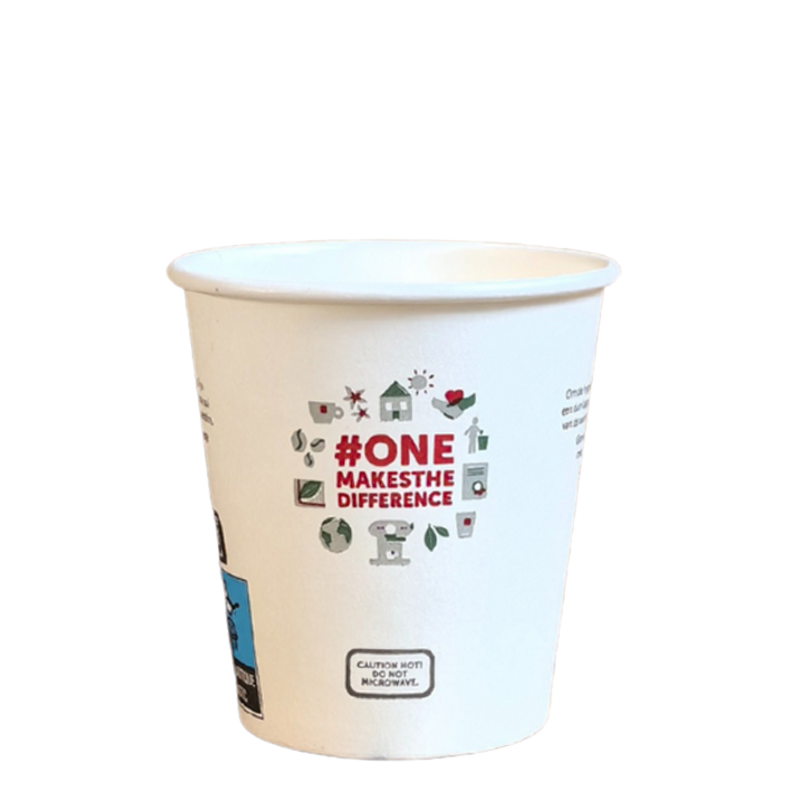
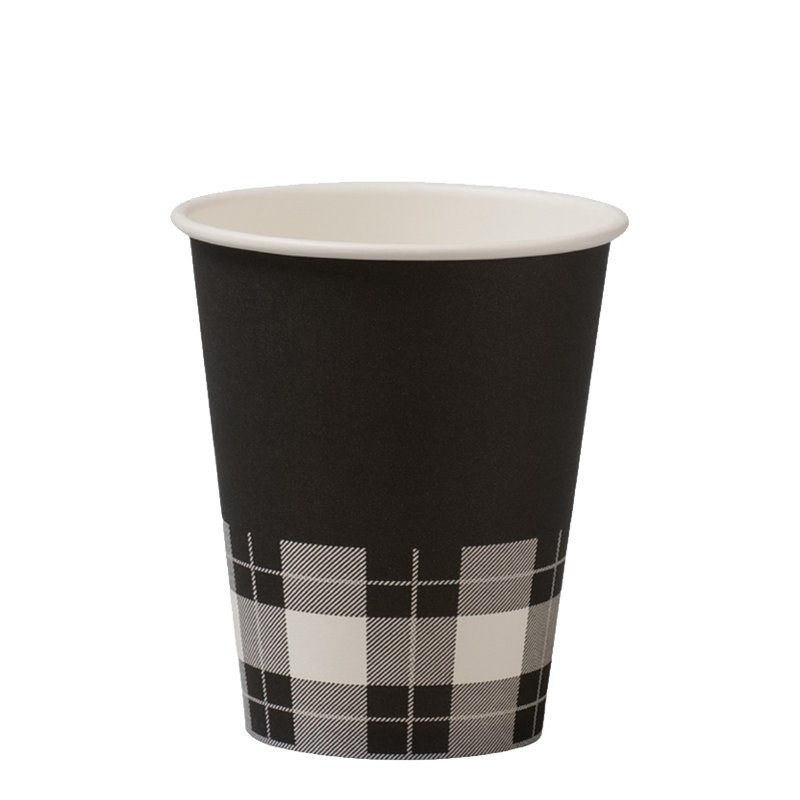
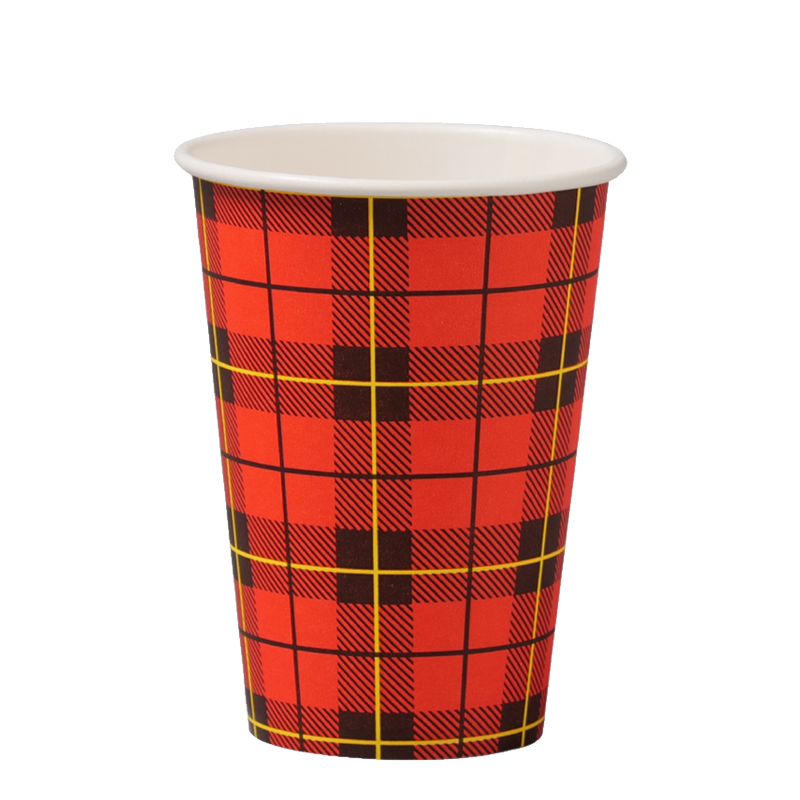
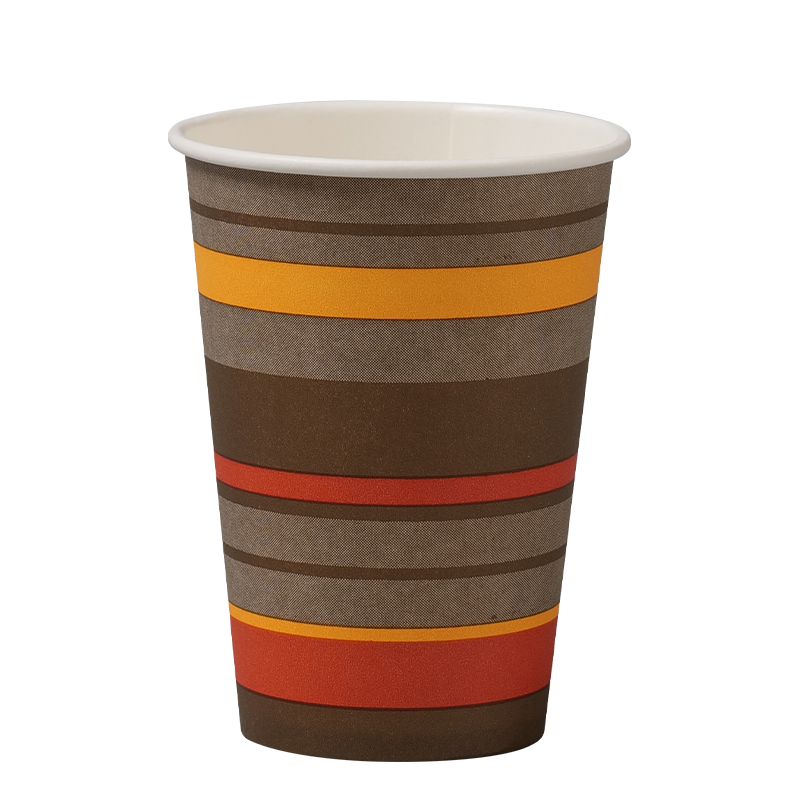
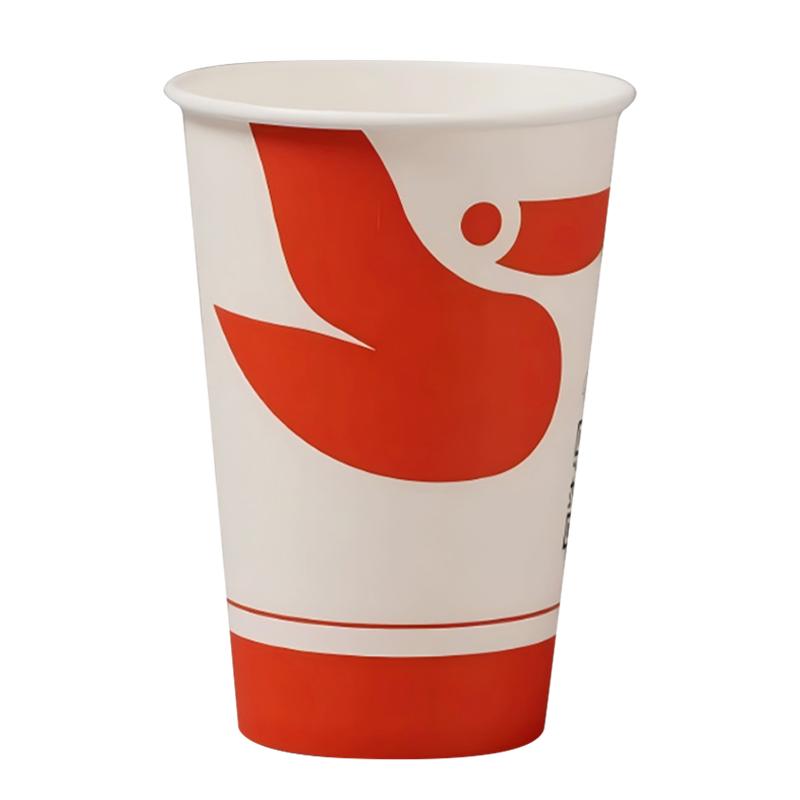
In the highly visual food and beverage industry, the container serves as a primary marketing tool. Investing in custom ice cream cups with lids transforms a functional expense into a powerful advertising asset. Every time a customer walks out of a shop or posts a photo on social media, the branded cup generates organic impressions. For emerging brands, custom printing is essential for establishing legitimacy and differentiation. It allows businesses to communicate their story, ingredients, or sustainability efforts directly on the packaging, creating a cohesive brand experience that extends beyond the point of sale.
Choosing the Right Printing Technology
When commissioning custom containers, understanding the available printing methods is crucial for achieving the desired aesthetic within budget. The two dominant technologies in paper cup manufacturing are Offset Printing and Flexographic Printing. Offset printing is renowned for its superior image quality, capable of reproducing high-resolution photographs and complex gradients with precision. It is the preferred choice for premium retail pints that require intricate designs. Flexographic printing, while slightly more limited in tonal range, offers excellent color consistency for solid logos and vector graphics, often providing a more cost-effective solution for high-volume runs.
| Feature | Offset Printing | Flexographic Printing |
| Image Quality | Photographic, high detail | Sharp lines, solid colors |
| Color Accuracy | CMYK process blending | Exact Pantone (PMS) matching |
| Ideal Volume | Medium to Large runs | Very Large runs |
A common hurdle for small to medium-sized enterprises is the Minimum Order Quantity (MOQ) required for custom manufacturing. Because setting up print plates involves significant labor and material costs, factories typically set MOQs to ensure production efficiency. For full custom printing, MOQs often start at 30,000 to 50,000 units per size. However, digital printing options are emerging that allow for smaller batches, albeit at a higher per-unit cost. Strategic planning is required to balance inventory storage capabilities with the cost savings achieved through bulk ordering. Ordering a six-month supply is often the most economical approach to secure custom branding.
Conclusion: Building a Foundation for Frozen Dessert Success
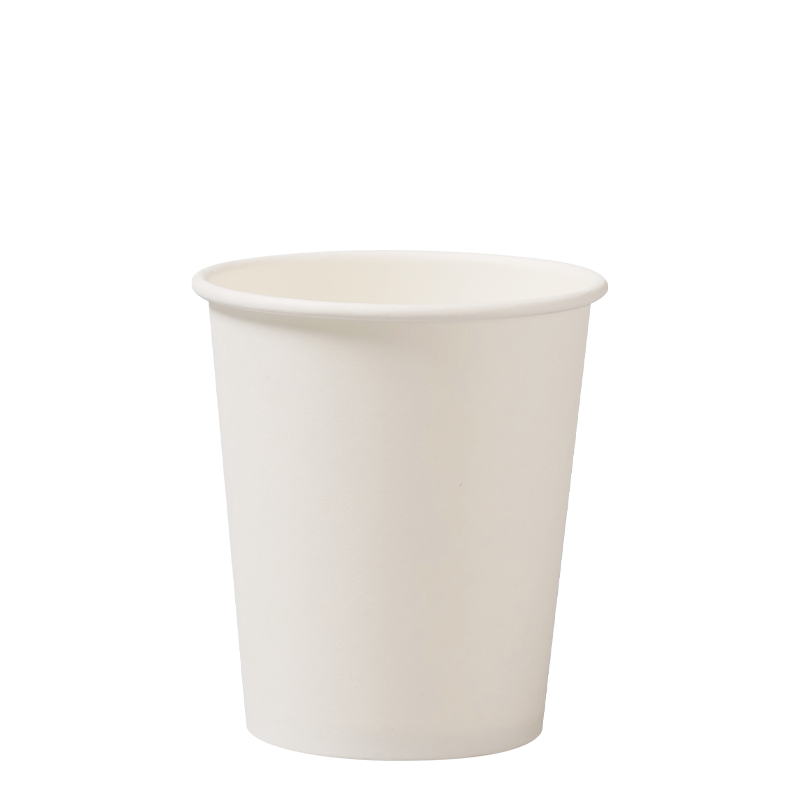
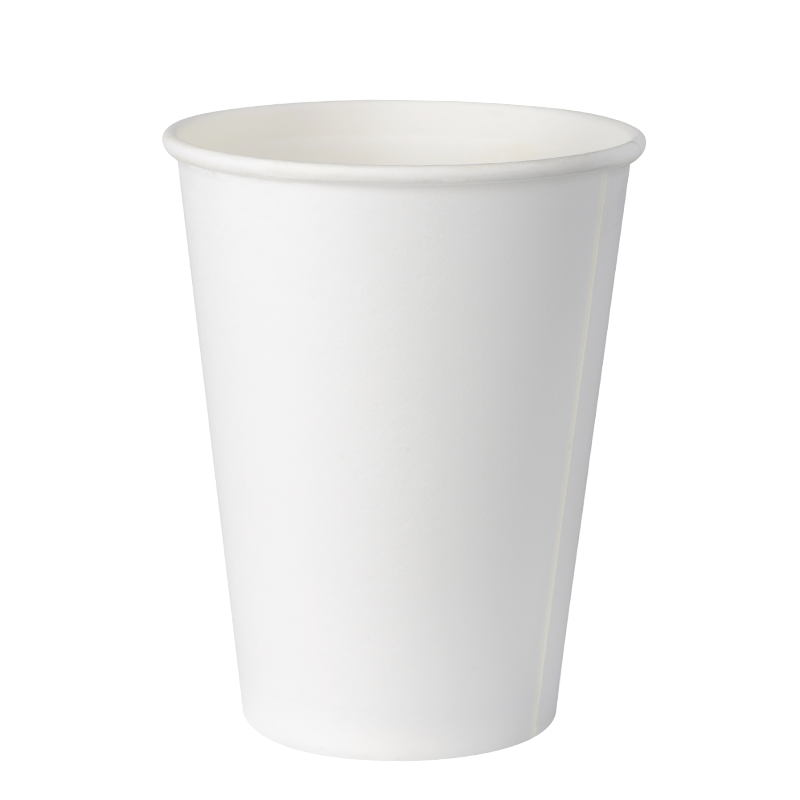
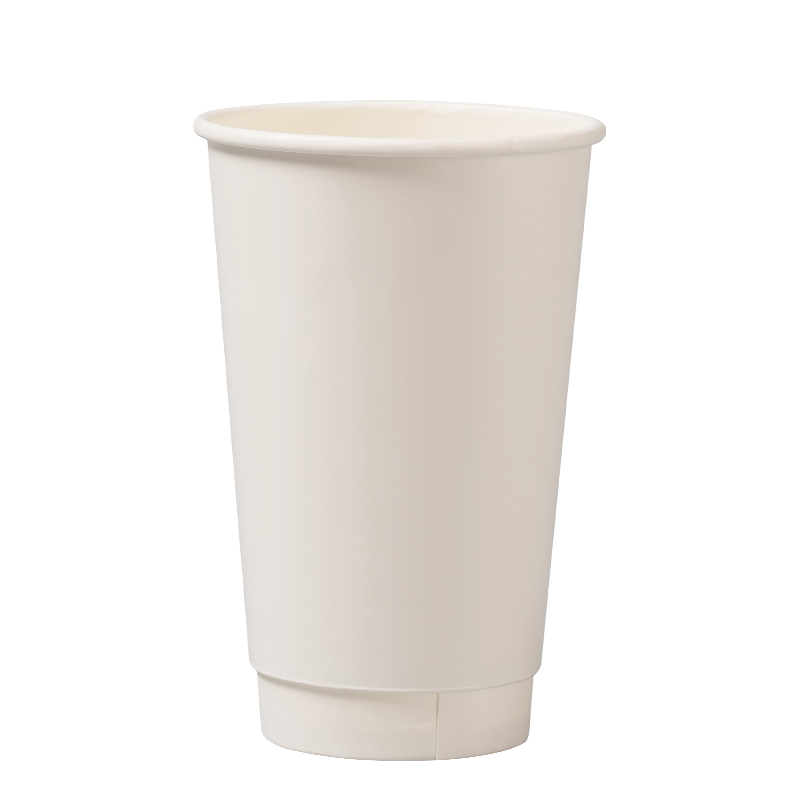
Selecting the appropriate packaging is a multifaceted decision that underpins the operational success of any ice cream business. From ensuring the structural integrity of the paperboard to choosing the precise volume that maximizes profit margins, every detail matters. Whether you opt for standard white containers for a minimalist look or invest in fully custom ice cream cups with lids to drive brand awareness, the quality of the container reflects the quality of the product inside. By prioritizing materials that withstand freezing temperatures and lids that ensure a secure seal, businesses can guarantee that their customers enjoy the product exactly as intended.
Ready to upgrade your packaging strategy? Browse our extensive catalog of commercial ice cream containers or contact our design team today to request a quote for custom branding solutions tailored to your specific business needs.
Frequently Asked Questions Regarding YONGRUI Ice Cream Packaging
Navigating the technical specifications of food packaging can be complex. Below are detailed answers to the most common inquiries we receive from ice cream manufacturers, dairy brands, and distributors regarding the performance, sustainability, and logistics of YONGRUI's product lines. These responses are designed to help you make informed decisions for your supply chain.
Performance and Storage Capabilities
Q: How long can ice cream be stored in YONGRUI paper containers without quality degradation?
Our standard double-polyethylene (PE) coated containers are engineered for long-term freezer storage. When sealed correctly with a compatible lid, they maintain structural integrity and protect the product from freezer burn for 6 to 12 months at temperatures as low as -20°C (-4°F). The dual coating ensures that moisture from the ice cream does not penetrate the paperboard, preventing the container from becoming soft or deforming over time.
Q: Are these containers suitable for hot foods as well?
While YONGRUI ice cream cups are extremely durable, they are specifically optimized for frozen applications. The coating and paper tension are designed to resist condensation and freezing temperatures. For hot soups or oatmeal, we recommend our dedicated hot food paper bowls, which utilize a different venting system in the lids to manage steam pressure effectively. Using ice cream containers for boiling hot liquids may compromise the external coating or lid fit.
Sustainability and Materials
Q: What is the difference between your Standard and Eco-Friendly lines?
YONGRUI offers two distinct material paths to meet different regulatory and brand requirements. Our Standard line uses high-quality virgin paperboard with a PE plastic lining, offering the highest durability at the most competitive price point. Our Eco-Friendly line replaces the PE lining with PLA (Polylactic Acid), a plant-based bioplastic derived from renewable resources like cornstarch. PLA containers are industrially compostable, making them an excellent choice for brands focusing on sustainability.
| Product Series | Lining Material | Disposal Method |
| YONGRUI Classic | Polyethylene (PE) | Recyclable (where facilities exist) |
| YONGRUI Green | Polylactic Acid (PLA) | Industrially Compostable |
Logistics and Compatibility
Q: Do YONGRUI lids fit multiple cup sizes?
Yes, to streamline your inventory management, we have designed our molds to share common rim diameters. For instance, our 8oz, 12oz, and some 16oz soup containers often share the same lid diameter. However, for ice cream pints (16oz) and quarts (32oz), specific lid sizes are usually required due to the wider mouth design needed for scooping. Please refer to our detailed specification sheet or contact our sales team to confirm the exact lid compatibility for your chosen sizes.
Q: Can I request samples before placing a bulk order?
Absolutely. We understand that testing the fit, finish, and thermal performance is critical before committing to a large production run. YONGRUI provides sample kits containing various sizes and lid types (flat, dome, paper, clear). We encourage you to test these samples in your actual freezing conditions to ensure they meet your specific operational standards.