+86-18863350588
 English
 Français
 Deutsch
 Español

How Petrochemical Price Increases Are Hitting Food Packaging Costs
Content

Why Packaging Costs Are Rising
Most plastic food packaging — from sandwich clamshells to beverage cups — is manufactured from petrochemical resins including polyethylene (PE), polypropylene (PP), and polyethylene terephthalate (PET). These materials are not incidentally connected to crude oil; they are directly derived from it. When oil prices move, resin prices follow within weeks.
In 2026, that connection became impossible to ignore. Geopolitical conflict in the Middle East disrupted Strait of Hormuz shipping, cutting off a critical corridor for Gulf petrochemical exports. Oil prices surged above $100 per barrel, and according to the IEA's May 2026 Oil Market Report, the petrochemical sector became one of the hardest-hit industries as feedstock availability grew increasingly constrained. Plunging LPG and naphtha supplies forced polymer plants to curtail production, tightening supply across the entire plastics chain.
How the Price Shock Travels Downstream
The cost increase does not stop at the resin level. It moves through every layer of the packaging supply chain. Resin accounts for 60–80% of a thermoforming sheet manufacturer's total production cost, meaning a 10% rise in PET resin directly pushes sheet prices up by 6–8%. Energy-intensive conversion processes — injection moulding, blow moulding, extrusion — add further pressure as electricity and fuel costs climb in tandem with oil.
For food brands, the numbers are material. Packaging typically represents 10–25% of total product costs for FMCG companies. In late February 2026, PET prices surged by $73 per metric ton in a single trading day, briefly breaking above $1,310 per ton. A March 2026 survey by the German Association of Plastics Processors found that 99% of packaging manufacturers were receiving supplier price increase notices — yet few had the leverage to pass those costs on to their own customers. The margin squeeze was immediate and severe.
Who Gets Hit Hardest
Not all food categories feel this equally. Bottled water producers are among the most exposed: packaging is their single largest cost component, and their product is essentially a commodity with little room to justify price increases to consumers. Takeaway foodservice operators face similar pressure, relying heavily on paper bowls for takeaway use and plastic trays that have become significantly more expensive to source. Ready-to-eat retail products — pre-packed salads, deli items, chilled snacks — depend on transparent PET trays and films where substitution is technically more complex.
European markets reported 15–25% year-to-date hikes in PP and PS, while procurement teams across Asia noted that suppliers had shifted to shorter quotation validity windows, making forward planning extremely difficult. The disruption is not a temporary spike — analysts expect resin prices to remain sensitive to energy markets throughout the rest of 2026.
The Case for Paper-Based Packaging
With petrochemical-derived packaging costs volatile and regulatory pressure tightening simultaneously — the EU PPWR became fully enforceable in August 2026, and California's SB 1053 eliminated most plastic checkout bags — food businesses are accelerating the shift toward paper-based alternatives.
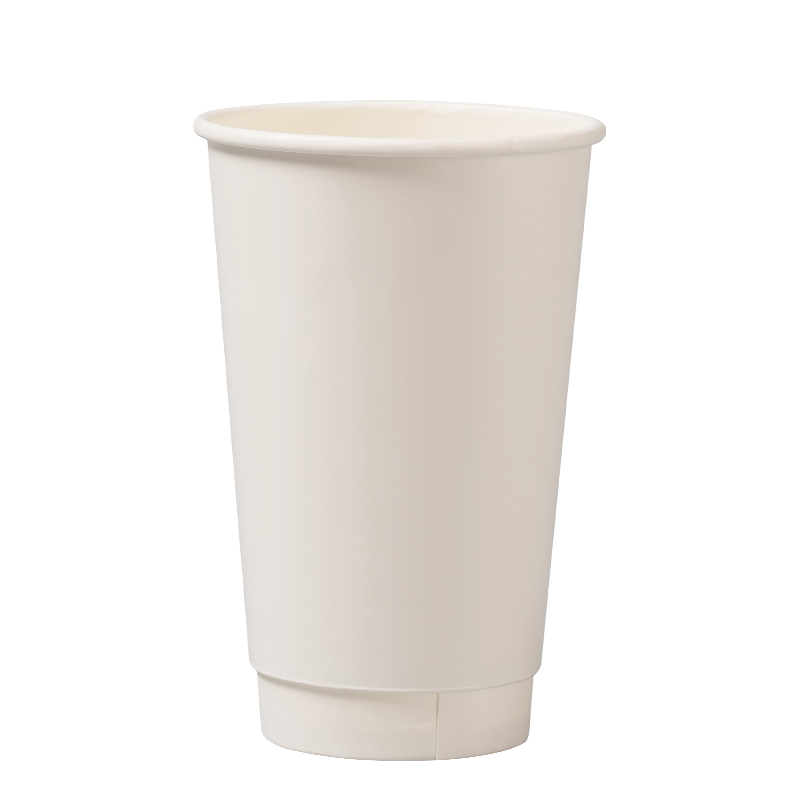
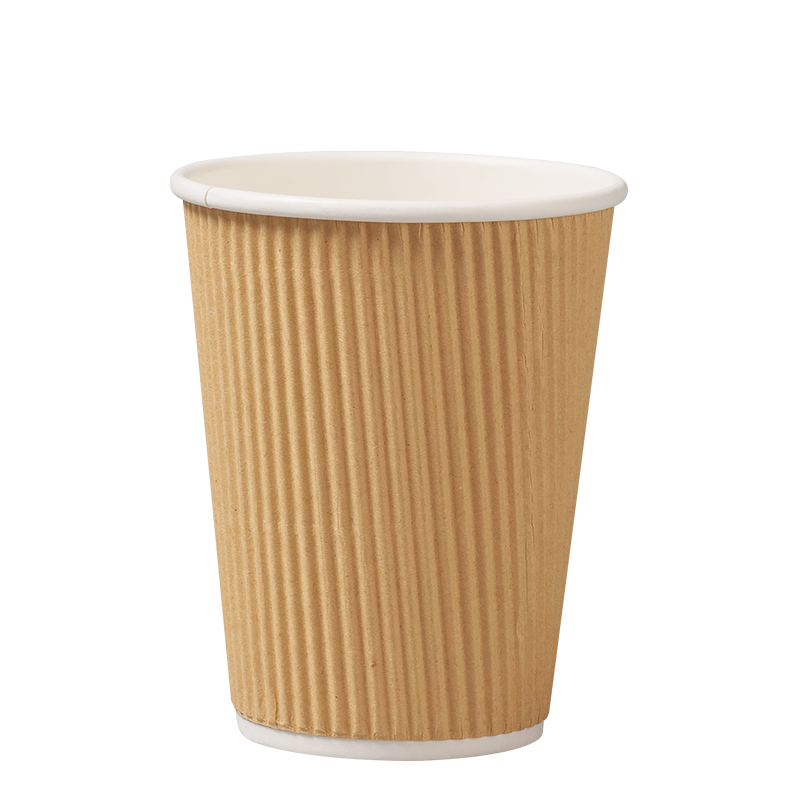
Paper packaging's cost structure is not linked to crude oil. Pulp pricing follows different market dynamics, offering procurement teams a meaningful hedge against petrochemical volatility. Practically, this means products like bamboo pulp paper cups — which use fast-growing, non-petroleum raw materials — provide a stable-cost alternative for hot and cold beverage applications. Aqueous-coated and low-PE paper formats reduce plastic content below 5%, easing compliance with food-contact material regulations while cutting exposure to resin price swings.
The business case has shifted. Businesses exploring biodegradable, recyclable, and compostable food packaging options are finding that what once carried a green premium now increasingly represents cost parity or better — particularly when the true total cost of petrochemical packaging includes supply uncertainty, short-validity supplier quotes, and the growing risk of regulatory non-compliance. For procurement teams reassessing their packaging strategy in 2026, the direction of travel is clear.