+86-18863350588
 English
 Français
 Deutsch
 Español

Biodegradable, Recyclable & Compostable Food Packaging Solutions
Content
- 1
- 2 Understanding the Three Pillars of Sustainable Foodservice Packaging
- 3 Biodegradable Packaging: Breaking Down the Science
- 4 Recyclable Solutions: Closing the Loop on Paper Waste
- 5 Compostable Packaging: The Premium Environmental Choice
- 6 Comparing Material Specifications and Performance
- 7 Matching Packaging Solutions to Your Business Model
- 8 Quality Control in Sustainable Manufacturing
- 9 Future Trends in Foodservice Sustainability
- 10 Implementation Guidance for Your Operation
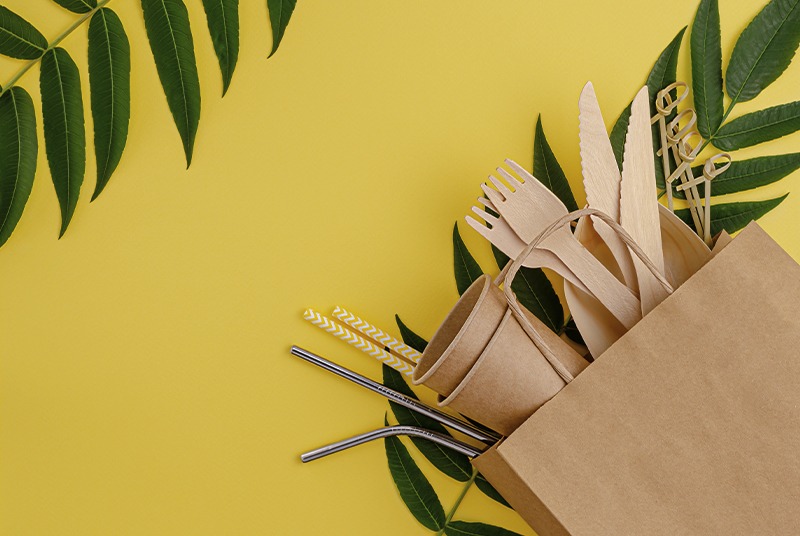
Understanding the Three Pillars of Sustainable Foodservice Packaging
Many of our clients initially come to us confused about these classifications. A coffee shop owner might request "eco-friendly cups" without realizing that recyclable paper cups require specific infrastructure, while compostable paper bowls need commercial composting facilities to break down properly. Understanding these differences helps you make informed purchasing decisions that align with your local waste management capabilities.
At our facility, we produce disposable paper cups and bowls across all three categories, allowing us to recommend solutions based on your specific operational context rather than pushing a one-size-fits-all approach.
Biodegradable Packaging: Breaking Down the Science
When we label our products as biodegradable, we mean they will decompose through natural biological processes. However, this term encompasses varying timeframes—from months to years depending on environmental conditions. Our biodegradable paper cups utilize plant-based linings that break down significantly faster than traditional polyethylene-coated alternatives.
The key advantage for foodservice operators is flexibility. Biodegradable packaging does not require specialized disposal infrastructure. Whether your customers discard cups in standard trash bins or your business has access to composting facilities, these products will eventually return to natural elements without leaving microplastic residues.
We have observed that restaurants operating in areas without composting infrastructure particularly benefit from biodegradable options. The material composition ensures that even in landfill conditions, the breakdown process occurs without the persistent environmental impact associated with conventional plastic-lined cups.
Recyclable Solutions: Closing the Loop on Paper Waste
The Challenge of Food-Contaminated Recycling
Recyclable paper cups present unique challenges in the foodservice industry. Standard recycling facilities often reject food-soiled paper products, meaning your investment in recyclable packaging may not achieve its intended environmental benefit without proper customer education.
Our manufacturing process addresses this through advanced barrier technologies that allow our disposable paper bowls to resist liquid saturation while maintaining fiber integrity suitable for pulping. This technical distinction matters—cups that maintain their structural properties after use are more likely to be accepted by recycling facilities.
Regional Variations in Recycling Infrastructure
Before specifying recyclable packaging for your operation, I recommend verifying your local recycling capabilities. Some municipalities accept paper cups with thin plastic linings, while others require aqueous-coated alternatives. We customize our recyclable paper cup specifications based on your geographic distribution to ensure compliance with regional recycling standards.
Compostable Packaging: The Premium Environmental Choice
Compostable products represent the gold standard for businesses with access to commercial composting facilities. Unlike biodegradable items that may take years to break down, certified compostable packaging transforms into nutrient-rich soil within 90 to 180 days under proper conditions.
Our compostable paper cups and bowls carry certifications from recognized standards bodies, ensuring they meet strict criteria for disintegration, biodegradation, and ecotoxicity. This certification provides your business with verifiable environmental claims—essential for avoiding greenwashing accusations in an increasingly regulated market.
The operational consideration is disposal logistics. Compostable packaging requires separation from standard waste streams and delivery to commercial composting facilities. For businesses located in urban centers with established composting programs, this represents a manageable workflow adjustment that yields significant environmental dividends.
Comparing Material Specifications and Performance
| Characteristic | Biodegradable | Recyclable | Compostable |
|---|---|---|---|
| Breakdown Timeframe | 6 months to 5 years | N/A (reprocessed) | 90-180 days |
| Required Infrastructure | None specific | Recycling facility | Commercial composter |
| Temperature Resistance | Up to 85°C | Up to 95°C | Up to 100°C |
| Cost Premium vs. Standard | 15-20% | 10-15% | 25-35% |
This data reflects our production experience across thousands of foodservice accounts. The temperature resistance figures are particularly important for hot beverage applications—compostable linings generally offer superior heat tolerance compared to standard biodegradable alternatives.
Matching Packaging Solutions to Your Business Model
Selecting between these three categories requires honest assessment of your operational realities. I have seen businesses overspend on compostable packaging only to discover their waste hauler sends everything to landfill, or invest in recyclable cups without confirming local facility acceptance.
Consider these decision factors:
- Your geographic location and available waste management infrastructure
- Customer demographics and their environmental expectations
- Budget constraints and willingness to absorb material cost premiums
- Brand positioning and sustainability marketing requirements
- Volume requirements and storage capabilities for different product types
For quick-service restaurants with high turnover and limited storage, biodegradable options often provide the best balance of environmental benefit and operational simplicity. Fine dining establishments and eco-conscious cafes frequently justify the premium for compostable solutions that align with their brand values.
Quality Control in Sustainable Manufacturing
Our 20-year manufacturing history has taught us that sustainable materials require more rigorous quality control than conventional alternatives. Plant-based coatings behave differently than polyethylene during the forming process, and moisture sensitivity demands precise storage and handling protocols.
Every batch of disposable paper cups we produce undergoes leak testing, heat resistance verification, and structural integrity assessment. We have invested in specialized equipment to test biodegradable linings under simulated decomposition conditions, ensuring our products perform as expected throughout their lifecycle.
This attention to manufacturing detail translates to fewer product failures in your operation. A cup that leaks or collapses creates customer dissatisfaction that outweighs any environmental marketing benefits. Our defect rates for sustainable products remain below 0.3%, matching the performance standards of our conventional packaging lines.
Future Trends in Foodservice Sustainability
The regulatory landscape continues evolving. Multiple jurisdictions have enacted or proposed bans on single-use plastics, and extended producer responsibility legislation is expanding across North America and Europe. These trends make sustainable packaging selection increasingly important for long-term business viability rather than optional brand differentiation.
We are observing growing demand for hybrid solutions—products that maintain compostability certification while offering enhanced recyclability in standard paper streams. Our R&D team continuously evaluates emerging barrier technologies, including bio-based polymers and mineral coatings, that may bridge the gap between current material limitations and ideal environmental performance.
For foodservice operators, the strategic consideration extends beyond immediate purchase decisions. Establishing relationships with manufacturers who understand the technical nuances of biodegradable, recyclable, and compostable materials provides flexibility as standards evolve and new options emerge.
Implementation Guidance for Your Operation
Transitioning to sustainable packaging requires more than product substitution. We recommend a phased approach:
- Audit your current waste streams and identify available disposal options
- Request samples for performance testing with your specific food and beverage applications
- Train staff on proper handling and any disposal requirements
- Communicate changes to customers through clear labeling and educational materials
- Monitor performance metrics including customer feedback and waste diversion rates
Our technical team provides implementation support beyond product delivery, helping you navigate the practical challenges of integrating sustainable packaging into your existing operations. Whether you need guidance on storage conditions for compostable inventory or customer communication templates for recycling instructions, we share the expertise gained from supporting diverse foodservice businesses across global markets.