+86-18863350588

 English
 Français
 Deutsch
 Español


Cup Sleeve vs Double Wall Cup: Cost per Hot Drink for Busy Cafés
Content
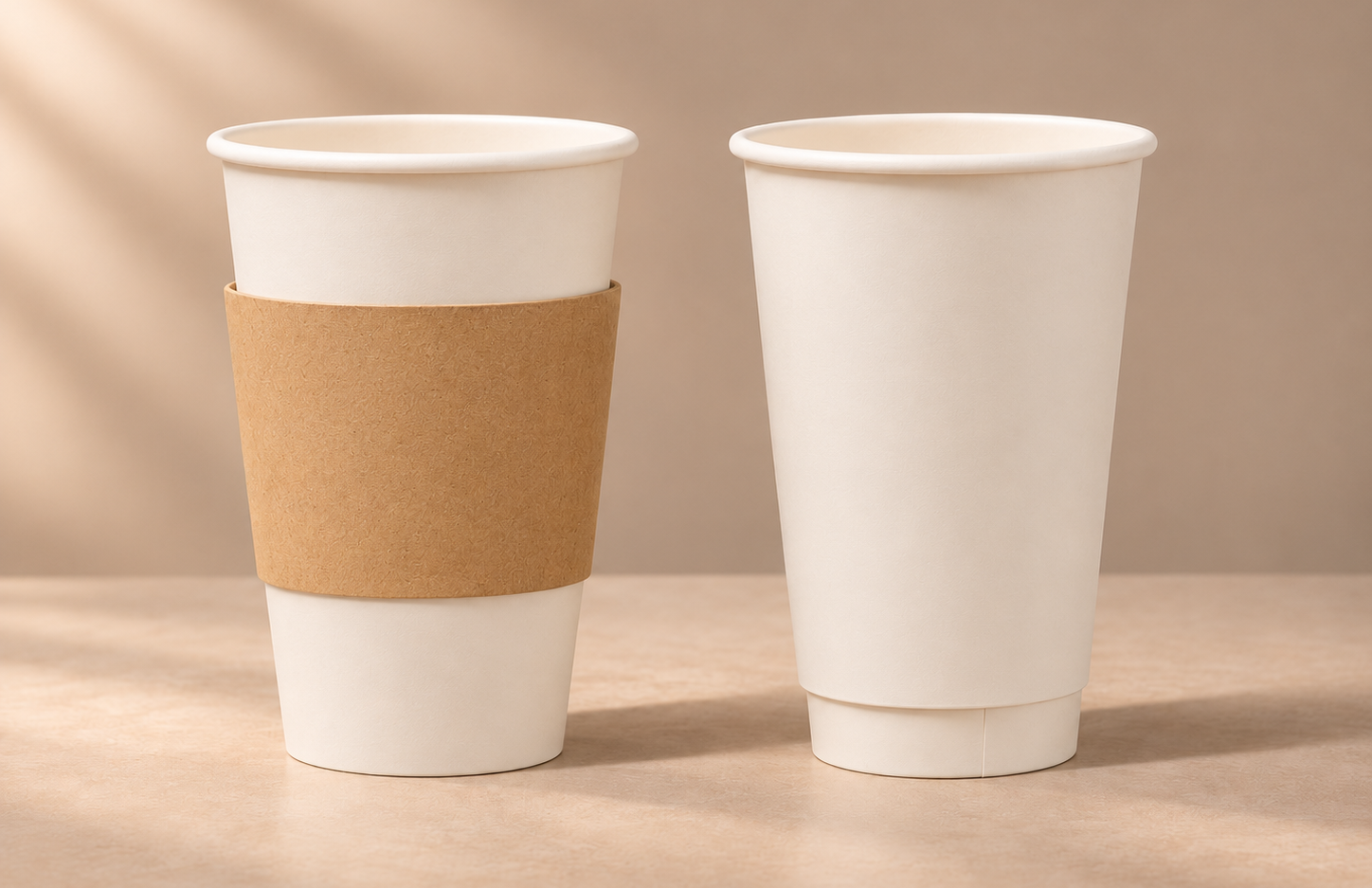
A café pouring 600 hot drinks on a weekday does not have a cup problem. It has a sleeve problem, a double wall problem, or neither, and the deciding factor is one number most owners never calculate: the share of hot drinks that actually need hand protection.
Once you have that number, the choice stops being a matter of taste. Double wall wins when nearly every hot order needs a sleeve. Single wall plus a sleeve wins when only some do. Our broader manufacturer comparison of single and double wall cups covers construction. This article puts a price on each option.
What a Sleeve Really Costs Per Cup
The sleeve itself is the smaller part of the bill. A plain kraft sleeve usually lands between 1.5 and 5 cents depending on grade, printing and volume, and you can compare kraft paper cup sleeves in plain and printed styles before settling on a spec.
The larger cost is the person applying it. Three seconds per cup sounds trivial until it is repeated through a morning rush. At a fully loaded labor cost of $18 an hour, three seconds is about $0.015, almost as much as the sleeve.
Sleeves also take shelf space behind the counter and run out at the worst moment. They can make a cup sit loosely in a car cup holder, and they cover whatever is printed on the cup underneath.
What a Double Wall Cup Really Costs
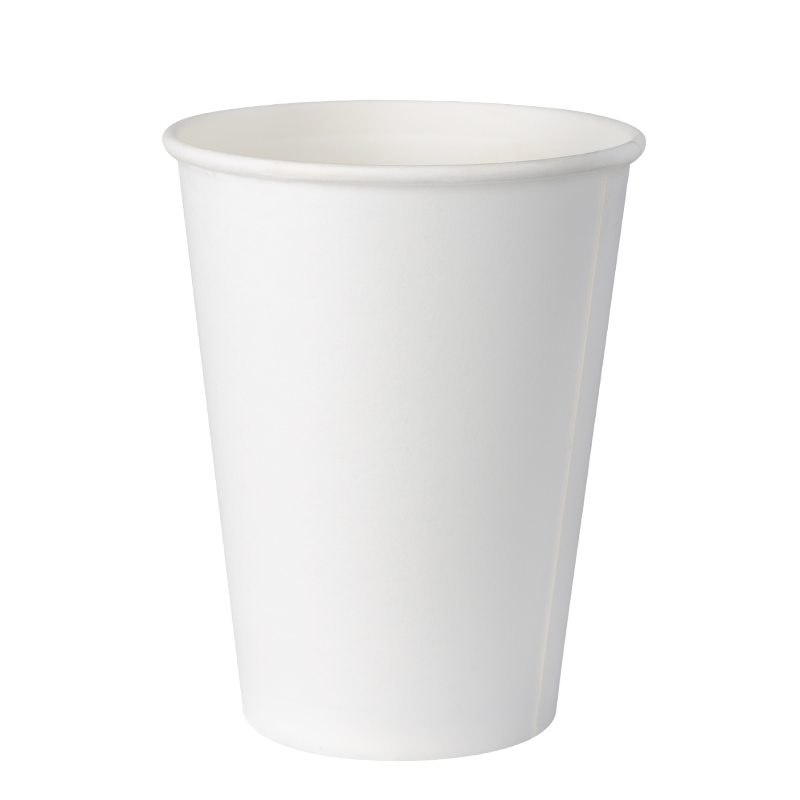
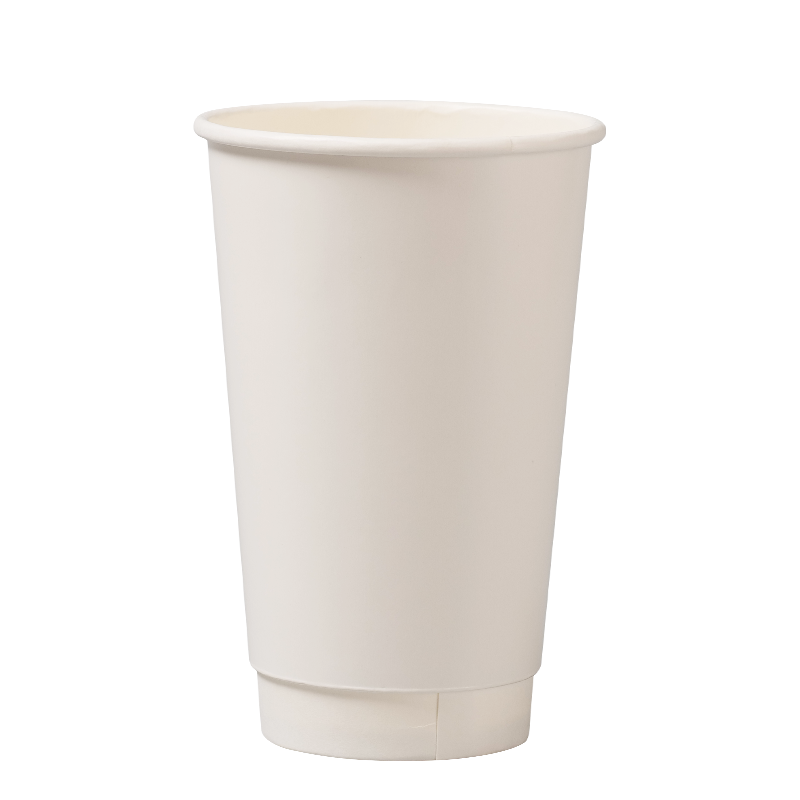
A double wall cup carries a second layer of paperboard, so it uses noticeably more material and needs an extra forming step. For a 12 oz cup, a gap of roughly two cents over the single wall equivalent is a sensible planning figure. Double wall paper cups built for hot service arrive ready to serve, with no extra component and no extra motion at the counter.
The less obvious cost is volume. The outer wall makes each cup bulkier, so fewer fit in a carton and fewer cartons fit in a container. That adds a fraction of a cent per cup in freight and a little more in storage.
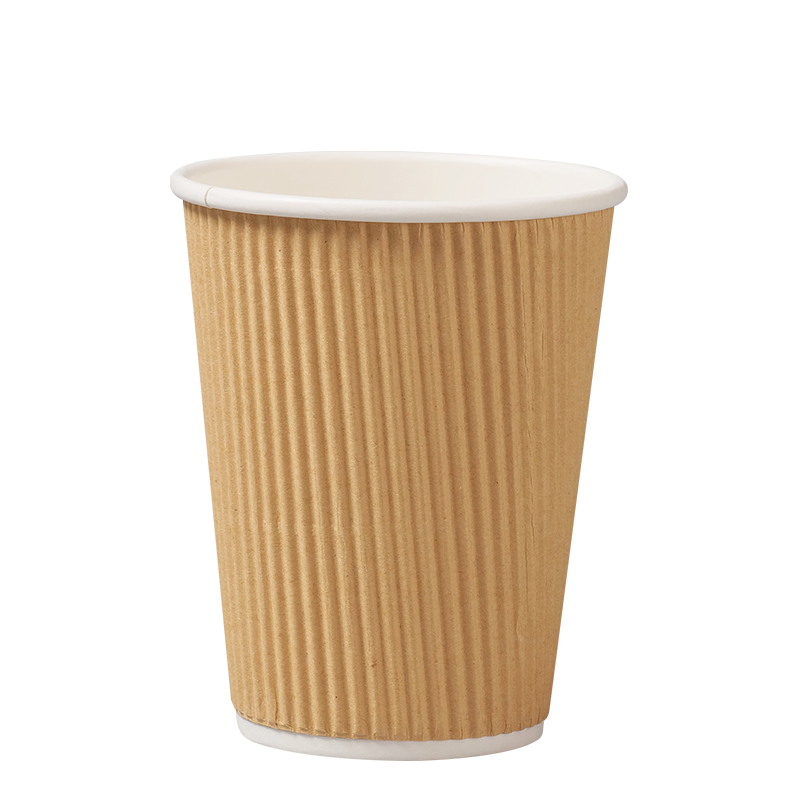
If you want a textured grip, ripple wall cups with a fluted outer layer sit at the top of the price range.
The Cost-Per-Hot-Hand Formula
Use the same two lines for every hot drink you serve:
- Single wall: cup price + (sleeve rate × sleeve cost)
- Double wall: cup price
Sleeve cost is the sleeve price plus application labor. Sleeve rate is the share of hot drinks that actually get a sleeve.
Take a 12 oz cup at $0.032 in single wall and $0.053 in double wall, with a sleeve at $0.018 and $0.015 of labor. Sleeve cost comes to $0.033 and the double wall premium is $0.021, so the break-even sleeve rate is about 64% (0.021 ÷ 0.033).
| Sleeve rate | Single wall + sleeve | Double wall | Cheaper option |
|---|---|---|---|
| 40% | $0.045 | $0.053 | Single wall + sleeve |
| 65% | $0.053 | $0.053 | Even |
| 90% | $0.062 | $0.053 | Double wall |
Below roughly two thirds, single wall is cheaper. Above it, double wall wins. Freight and storage add a little to the double wall side, so the true break-even sits slightly higher.
Heat, Grip and Branding Beyond the Price Tag
Price is only half the picture. In bench tests with 180°F coffee, a double wall cup’s outer surface ran about 10°F cooler than a single wall cup’s. That is bearable, not cool. Most people find 150–160°F about the limit for holding a cup bare, so a very hot pour can still call for a sleeve on a double wall cup.
Serving temperature matters as much as the cup. One peer-reviewed analysis of coffee serving temperature and scald risk argues for serving cooler than current practice, with an optimal drinking temperature near 136°F. Lowering the pour by a few degrees can change your sleeve rate more than any packaging switch.
Branding runs the other way. Print on a double wall cup stays visible from first sip to last, while a plain sleeve hides it, although a printed sleeve becomes a second branding surface. Either way, check how each format sits in drink carrier trays that hold sleeved and double wall cups, because a sleeve can shift during hand-off.
Matching the Setup to Your Café
Three patterns cover most high-volume cafés:
- Mostly hot, mostly takeaway: use double wall for every hot drink. The sleeve rate is close to 100%, and the time saved at the counter is real.
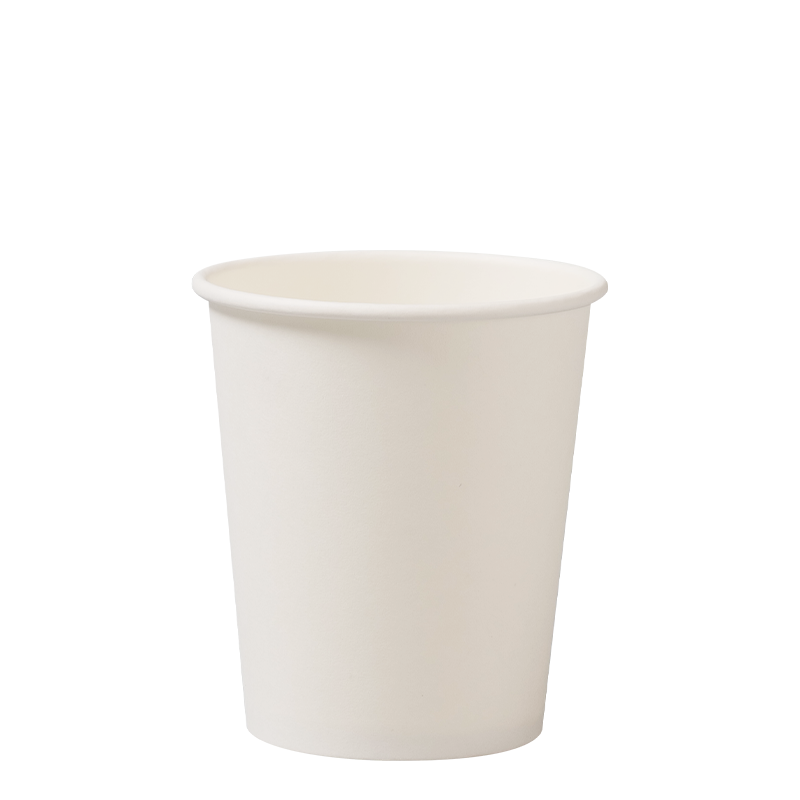
- Mixed menu with heavy cold sales: use single wall paper cups for cold and short-hold drinks, and hand out sleeves only on hot orders.
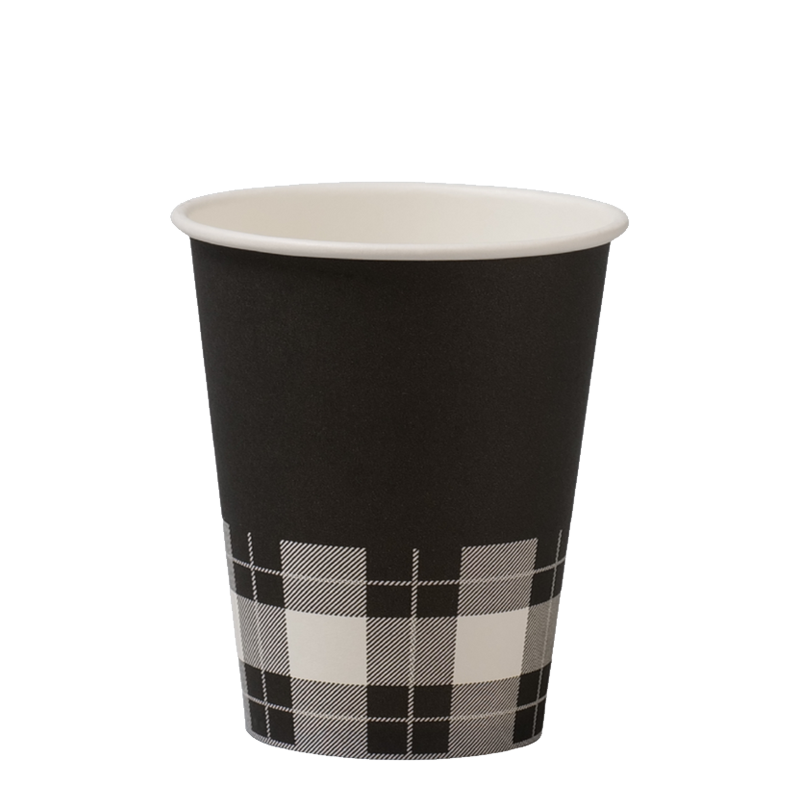
- Premium or branded service: choose custom printed cups and sleeves for your brand, where the cup is part of the experience and the price gap is small against the ticket.
Before committing, run a two-week trial. Count hot orders against total orders, time a sleeve application at your busiest hour, and compare real carton usage. Then put your own numbers into the formula and request quotes for both options.