+86-18863350588
 English
 Français
 Deutsch
 Español

Single Wall or Double Wall Coffee Cups? A Manufacturer’s Guide
Content
If you’re deciding between single wall coffee cups and double wall coffee cups, the best choice is rarely “one is better.” It’s about matching cup structure to your service conditions: drink temperature, holding time, whether customers walk away with the cup, and whether you want to use sleeves.
From a manufacturer’s perspective, the decision comes down to three operational outcomes: hand comfort (heat transfer), total packaging system cost (cup plus sleeve, inventory complexity), and brand presentation (print results, premium feel). The sections below translate those factors into practical selection rules you can apply immediately.
A quick structural definition
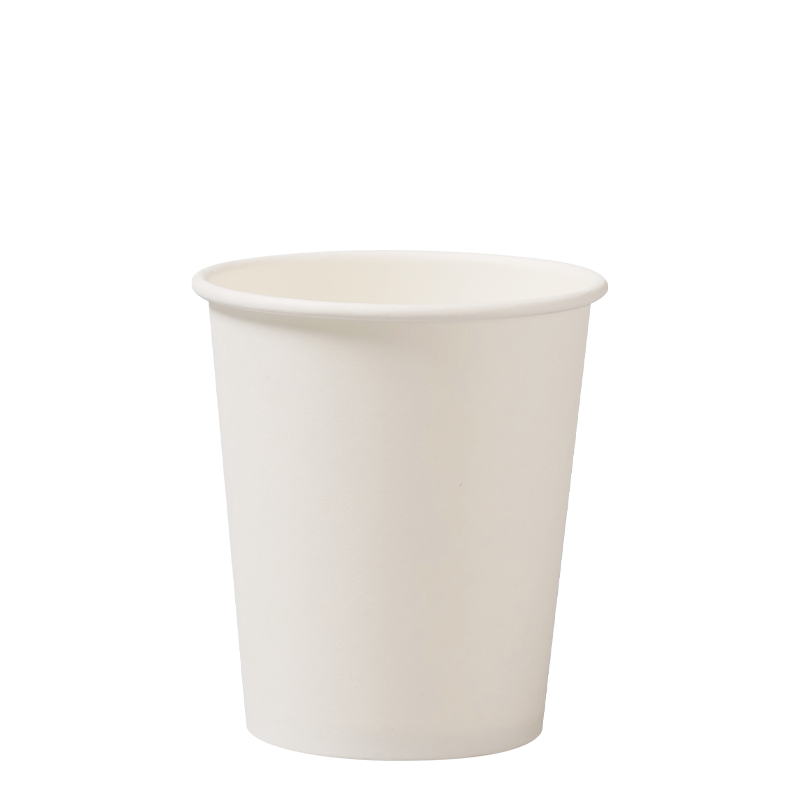
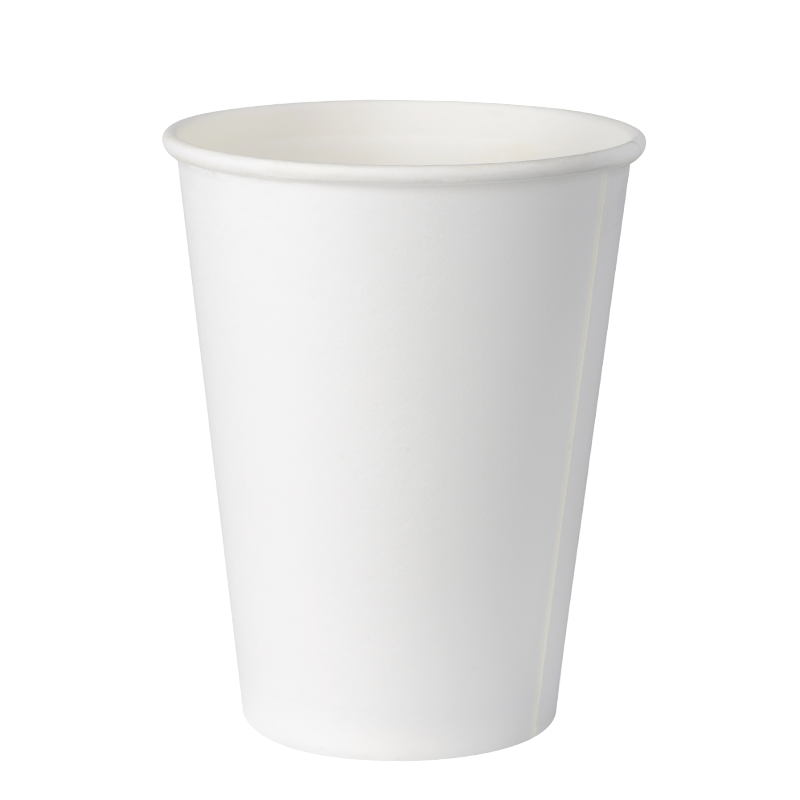
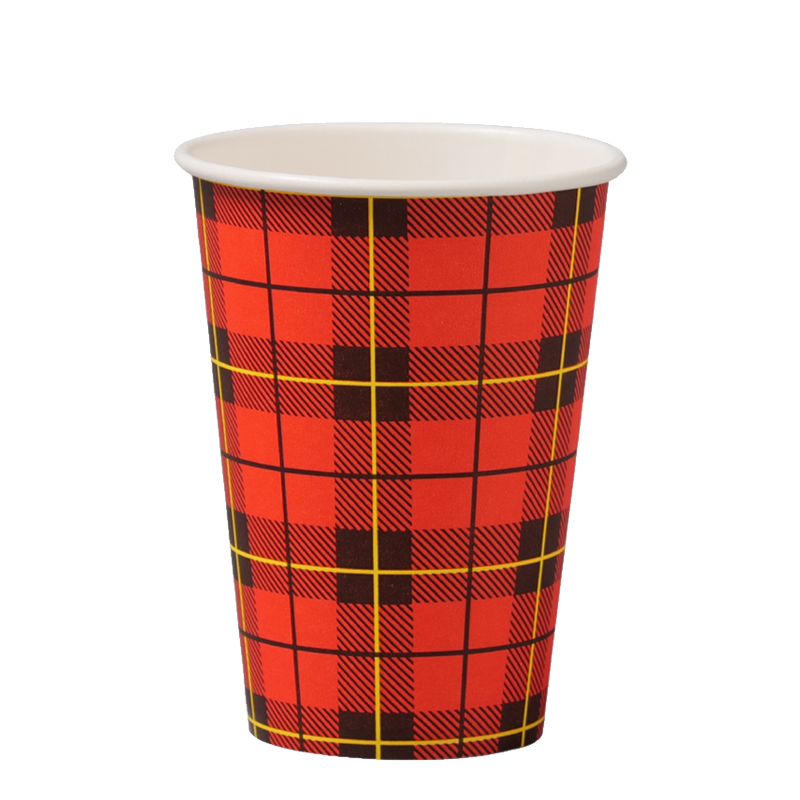
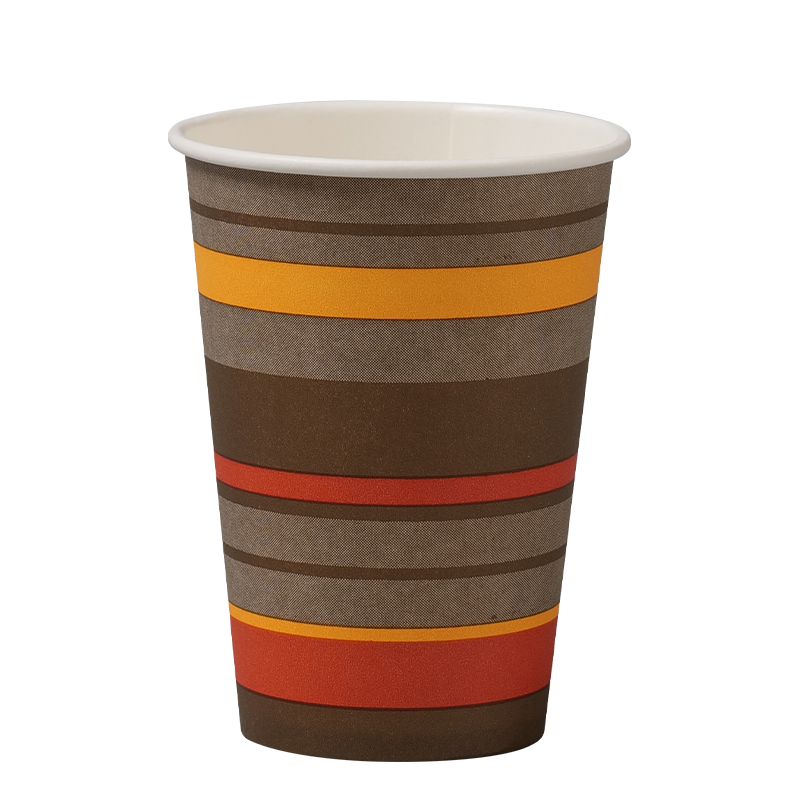
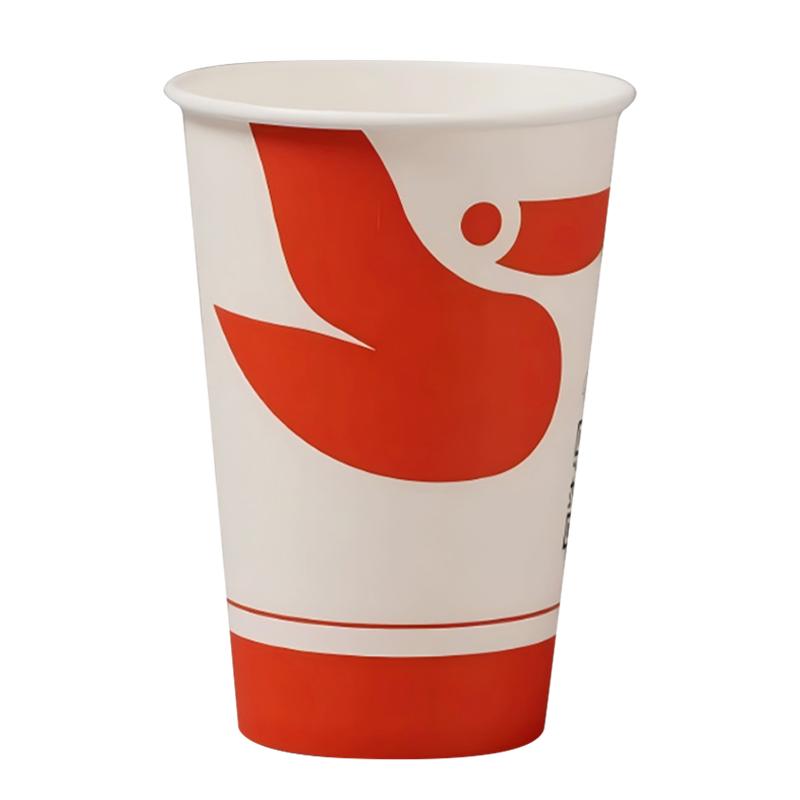
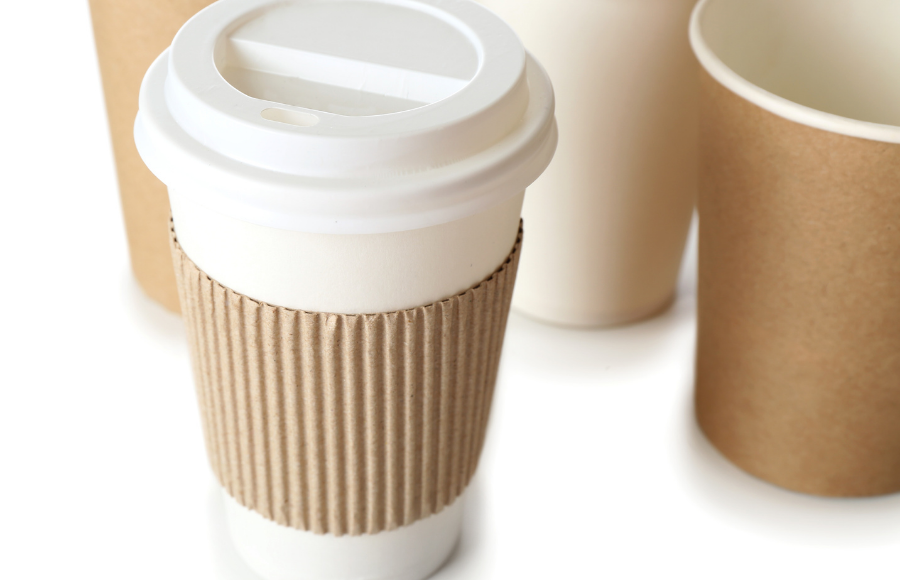
- A single wall cup is one paperboard layer (with an inner barrier coating). It is lighter, typically more cost-efficient, and widely used for both hot and cold drinks—often paired with a sleeve for hotter beverages.
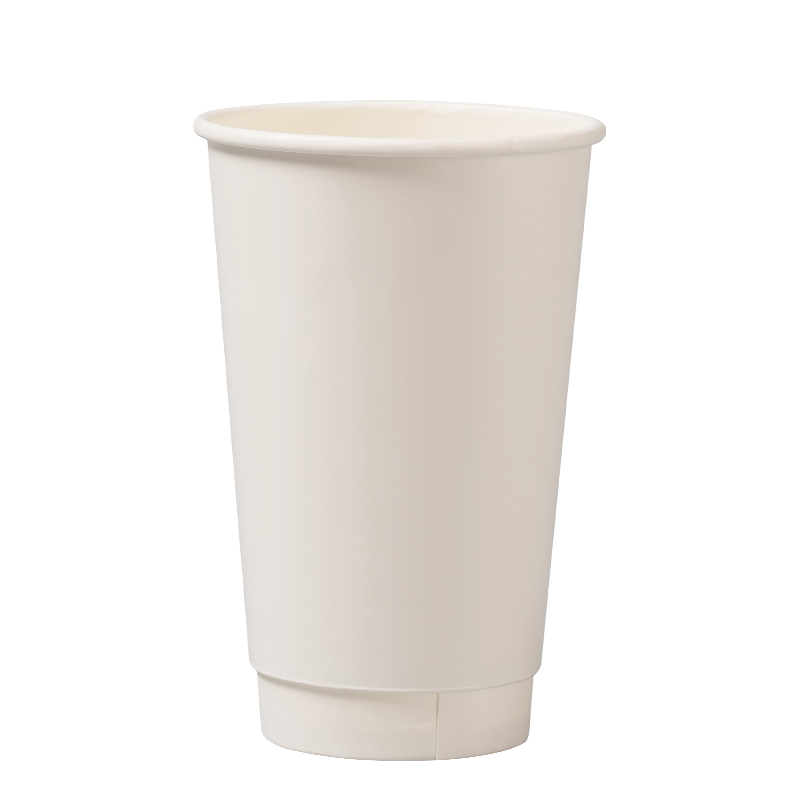
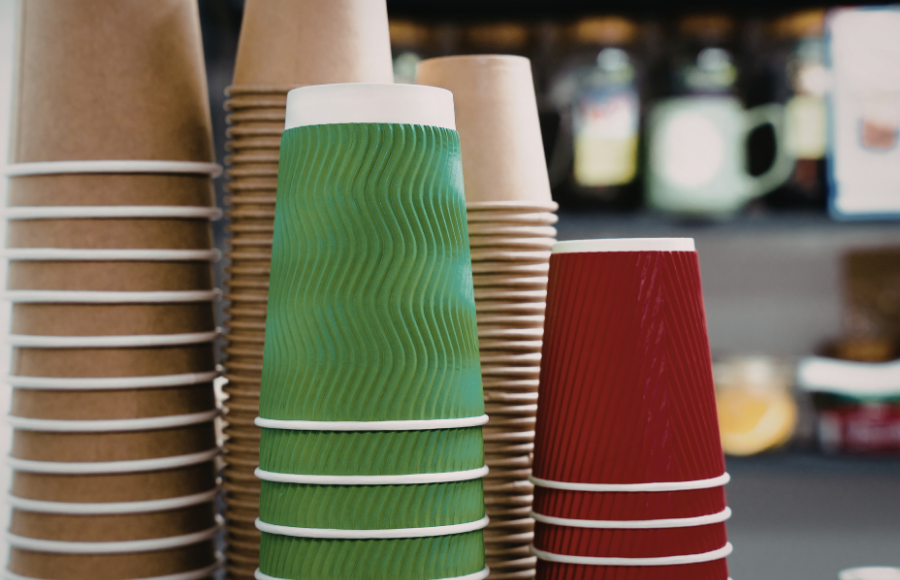
- A double wall cup adds a second paper layer (an outer wrap) that creates a buffer space. This improves insulation and grip comfort, reducing the need for a separate sleeve in many hot-coffee scenarios.
Heat, grip comfort, and “walk-away time”
For hot drinks, the most important question is not the menu item—it is the customer’s holding time. A dine-in espresso consumed quickly has different requirements than a to-go latte carried for 10–20 minutes.
When double wall coffee cups are the safer default
Choose double wall coffee cups when you expect frequent “walk-away” use (commuting, delivery pickup shelves, drive-through) and you want to avoid adding sleeves for hand protection. The air gap and outer wrap typically reduce perceived surface heat, improving comfort without extra components.
- High-volume hot beverages where the drink is held continuously (queues, street traffic, vehicles).
- Premium positioning where the cup is part of the perceived product quality (specialty coffee, hotel service, events).
- Operations trying to reduce the amounts of products’ SKU by replacing “cup + sleeve” with a single insulated cup.
When single wall coffee cups are perfectly adequate
Choose single wall coffee cups when your service model already includes sleeves for the hottest drinks, or when many beverages are warm (not extremely hot) and consumed quickly. Single wall also excels when you need broader size coverage and cost control across multiple drink categories.
If you want a broad size range for mixed beverage programs, review the specifications on our single wall paper cups page and align each drink recipe to a standard fill line (this reduces over-portioning and improves lid fit consistency).
Cost reality: unit price vs total system cost
Procurement decisions often fail when they compare only “cup vs cup.” A more accurate comparison is cup system cost (cup, sleeve, storage, handling time, and inventory complexity). Double wall cups usually cost more per unit because they use more material and converting steps, but they can remove the need for sleeves in many hot applications.
A practical way to model your cost
- Quantify sleeve usage: What percentage of hot drinks leave the counter with a sleeve today?
- Estimate handling: Sleeves add a motion and a pick; in peak hours, this can become a bottleneck.
- Compare carton efficiency: Double wall cups often pack fewer units per carton than single wall cups, affecting freight and storage planning.
- Decide on your KPI: Lowest unit cost, fastest throughput, or best customer experience. The “best cup” changes with your KPI.
If your goal is to simplify hot-to-go service without sleeves, the product structure of our double wall paper cups is designed specifically for insulation and grip comfort while still supporting high-quality printing.
Branding and print results: how wall type changes presentation
For coffee brands, the cup is often the most photographed “packaging asset.” Both single wall and double wall can be printed well, but the construction changes what is practical.
Where single wall cups win
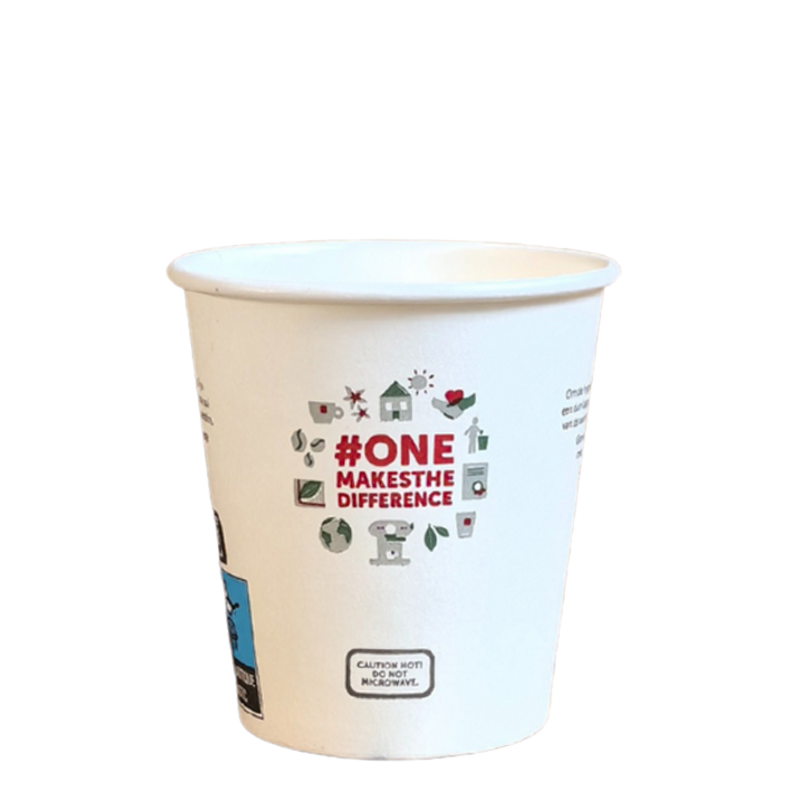
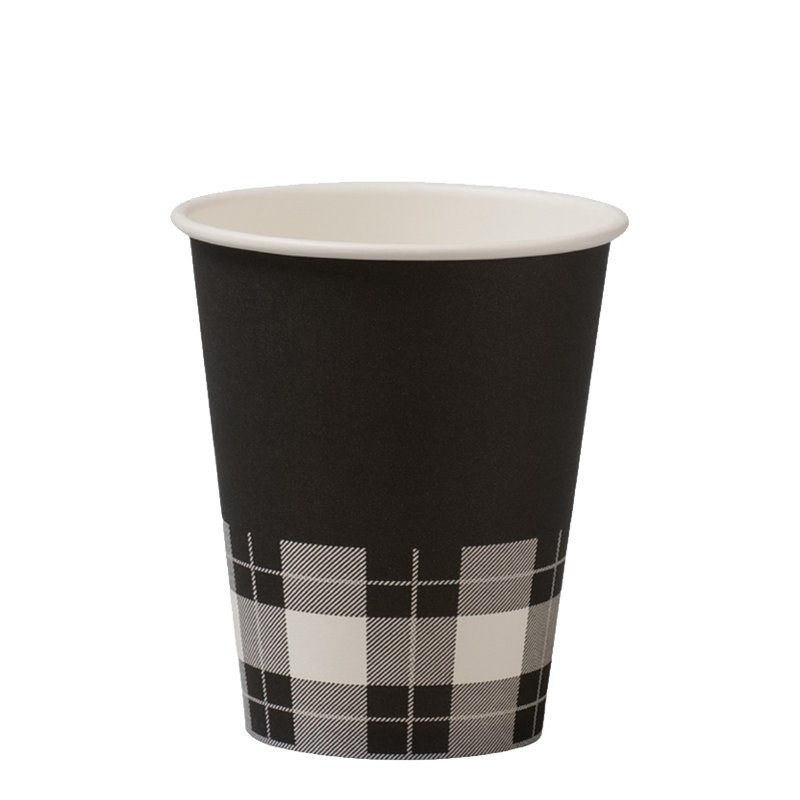
- A single continuous surface can support strong wrap-around brand designs with fewer visual breaks.
- If you plan to use sleeves, your core artwork may be partially hidden—so single wall can be more economical when the sleeve carries part of the branding.
Double wall construction allows the inner cup and outer wrap to be built from different materials or finishes, enabling mixed textures and printing effects that can feel more premium in hand. This is especially useful for cafés that position hot beverages as higher-margin signature items.
For both options, aligning your artwork to the correct cup size (and confirming the safe print area) prevents distortion at the seam and near the rim. A manufacturer can support this by providing die-line templates per size and confirming print registration requirements before mass production.
Recommendation summary
If your priority is a comfortable hot-to-go experience with minimal add-ons, double wall coffee cups are usually the more reliable choice. If your priority is broad size coverage and lowest total cup cost—especially when sleeves are already part of your workflow—single wall coffee cups remain a strong solution.
In production, the details that matter most are consistency, leakage control, and repeatable converting quality. For example, our single wall hot drink cups are produced with stringent leakage testing, targeting leakage rates below 0.0001%, and both single wall and double wall lines support multi-color flexographic printing for brand presentation. When you are ready to align sizes, materials, and barrier options to your use case, start with the detailed specs on our single wall paper cups and double wall paper cups pages.