+86-18863350588

 English
 Français
 Deutsch
 Español


Can Bamboo Pulp Replace Wood Pulp in Paper Cups? A Direct Comparison
Content
Can Bamboo Pulp Replace Wood Pulp in Paper Cups?
In part, yes. Bamboo pulp can replace a share of wood pulp, and in many cup designs it can serve as the main fiber, provided the board is tested against your specification. A blind one-for-one swap is a different matter. The published evidence is strongest for blends and thinnest for pure bamboo in cup stock specifically.
The sections below test the question dimension by dimension: where bamboo can stand in for wood, where it needs help, and what changes for a buyer who switches.
Replacement Scorecard
| Dimension | Can bamboo replace wood? | Basis |
|---|---|---|
| Fiber length | Mostly | Bamboo overlaps softwood at the upper end and sits above hardwood |
| Tear strength | Yes | Higher than softwood in a linerboard study |
| Tensile strength | Not alone | Lower than softwood in the same study |
| Stiffness in a cup | Needs testing | Thicker fiber walls help, but cup-stock data is limited |
| Coating compatibility | Yes | Same coating families are offered on bamboo cups |
| Cost | Depends | Varies by mill, region and freight |
| Supply logistics | Partly | Low bulk density raises hauling cost |
| EUDR handling | Different | Pure bamboo is outside scope, mixed products are not |
Where the Evidence Supports Replacement
Fiber length ranges in an industry presentation on bamboo for pulp and paper put bamboo at 1.5 to 4.0 mm, against 3 to 7 mm for softwood and 1 to 2 mm for hardwood. The source is promotional in tone, so read the ranges as indicative.
The clearest replacement result comes from a study of bamboo in kraft linerboard. Bamboo alone gave higher tear and lower tensile strength than softwood. Blends beat the all-softwood control on tensile, tear, burst, ring crush and folding endurance. The authors suggest that up to 60% of softwood long fibers could be replaced, with a 30:15 softwood to bamboo mix as a recommended level.
A laboratory study of bamboo kraft in fine paper reached a similar conclusion at 20% long-fiber replacement: bamboo handsheets performed like softwood handsheets on mechanical properties.
Where Replacement Gets Harder
- Tensile strength: bamboo alone lagged softwood, so a pure bamboo board may need different refining or design to match.
- Chemical demand: the fine paper study found bamboo needed more retention and sizing chemicals because of higher fines.
- Bleaching route: results changed with the bleaching sequence, so two bamboo boards are not automatically equal.
- Silica: bamboo contains silica that can cause scaling in chemical recovery, which mills must manage.
- Freight: hollow, light bamboo fills a truck by volume before weight, which raises cost per tonne.
Both studies covered linerboard or fine paper, and one was lab and pilot scale. They show that bamboo works inside a furnish. They do not prove that a pure bamboo cup matches a wood-based one.
What Changes If You Switch
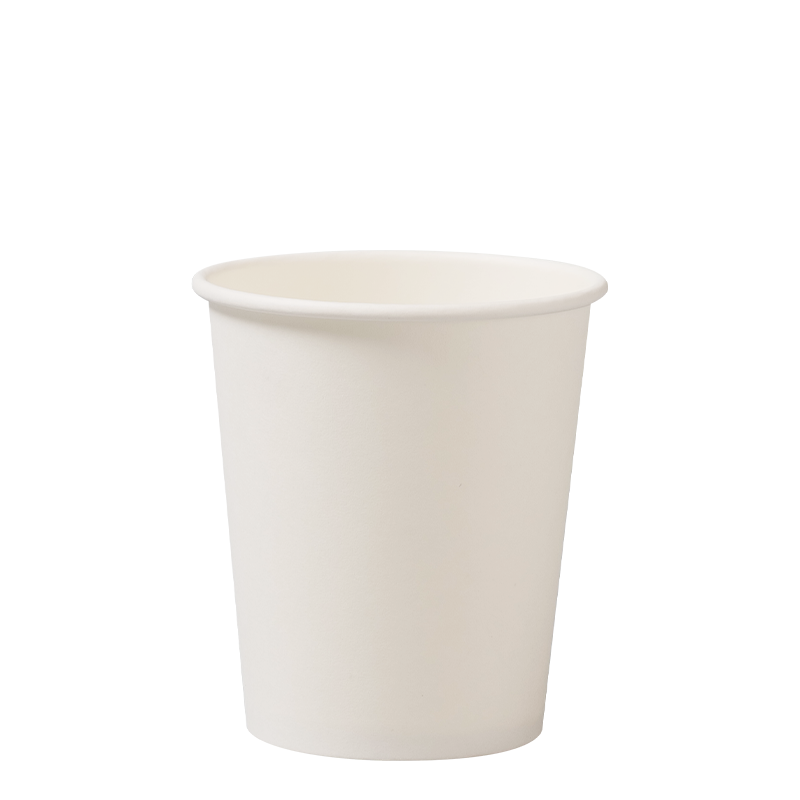
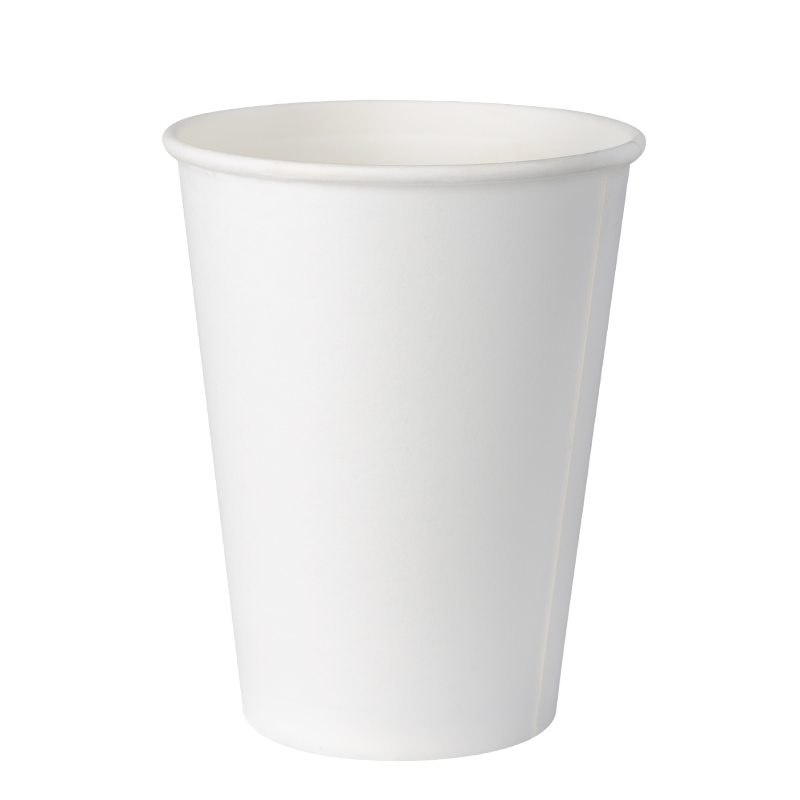
The cup itself stays familiar. Our bamboo pulp paper cups come with PE, PLA, aqueous and low-PE coating options, and are described as unbleached, free of fluorescent agents and odorless. The same coating families run on wood-based cups such as our brown kraft paper cups, so the coating decision stays separate from the fiber decision.
The paperwork changes more than the cup. FSC chain of custody applies to wood-based fiber, so certificates and claims differ between the two. On the EU Deforestation Regulation, one summary of the final EUDR text states that products made solely from bamboo fall outside the regulation, while mixed products are not exempt. A cup containing any wood fiber keeps its wood component in scope. Confirm the position with your compliance adviser, since it depends on exact composition.
Our guide to FSC, EUDR and PEFC for catering supplies explains the terms. Price movements also affect both fibers, as covered in why pulp and coffee prices often spike in the same year.
Replace, Blend or Keep Wood
| Situation | Suggested route |
|---|---|
| You need established, standardized board grades with proven cup history | Keep wood pulp |
| You want to reduce reliance on a single fiber source | Blend bamboo with wood |
| You ship to the EU and want simpler EUDR handling | Pure bamboo, if the composition is documented |
| Stiffness at low board weight is critical | Test both at the same weight before deciding |
| Price is the deciding factor | Compare quotes at equal size, weight and coating |
Questions to Ask Before Replacing
- Is the cup pure bamboo pulp, or a blend with wood, and in what ratio?
- What is the board weight, and what stiffness or compression results exist?
- Which coating is used, and how does it perform with your drinks?
- Which certifications cover this exact cup?
- Can pre-production samples be tested under your own service conditions?
Our quality control and testing page explains how finished cups are checked before shipment.