+86-18863350588
 English
 Français
 Deutsch
 Español

Performance guidance: choosing PLA formats for real catering workflows
Content
- 1
- 2 PLA use in catering service: when it works, when it fails, and how to deploy it correctly
- 3 What PLA is (and what it is not) in foodservice packaging
- 4 Performance guidance: choosing PLA formats for real catering workflows
- 5 Where PLA fits best: a catering-oriented decision table
- 6 End-of-life reality: making compostability achievable, not theoretical
- 7 Conclusion: a practical standard for PLA use in catering service
PLA use in catering service: when it works, when it fails, and how to deploy it correctly
In catering operations, PLA is often evaluated as a replacement for petroleum-based plastics in high-volume beverage service—especially for straws and cup linings. The operational question is not “Is PLA greener?” but rather “Will PLA perform for our menu and service style, and will it be handled correctly at end-of-life?”
Across many markets, restrictions on specific single-use plastic items (for example, plastic straws) have accelerated adoption of alternatives. However, PLA only delivers its intended environmental benefit when your disposal route matches the material’s design.
Practical takeaway: PLA is most effective in catering service when it is paired with realistic temperature expectations, a verified commercial composting pathway (or an organics program that accepts certified compostables), and clear front-line staff procedures.
What PLA is (and what it is not) in foodservice packaging
PLA basics for catering operators
PLA (polylactic acid) is a bio-based polymer commonly produced from plant-derived sugars or starches. In catering, it is used for rigid items (such as straws) and as a lining/coating in paper cups to provide liquid resistance without conventional PE plastic linings.
- PLA is typically intended for industrial composting conditions rather than unmanaged outdoor environments.
- “Compostable” is a performance claim tied to standards and facilities; it is not the same as “will disappear in nature.”
- For EN 13432-style expectations, compostability testing targets disintegration within weeks and biodegradation within months under controlled composting conditions, not landfill conditions.
Why temperature matters more than the label
PLA softens as it approaches its glass transition temperature. Many PLA grades have a glass transition around 55–60°C, which is why PLA performance in catering depends heavily on drink temperature, holding time, and whether items are in contact with hot liquids for prolonged periods.
This does not make PLA “bad” for catering—rather, it means you should specify PLA where the service profile matches: cold drinks, iced beverages, smoothies, and short-duration warm beverage use (or PLA paper cups designed for moderate heat).
Performance guidance: choosing PLA formats for real catering workflows
PLA straws in catering service
For beverage stations, buffets, and takeout counters, PLA straws can provide the familiar feel of plastic while shifting to a bio-based material. In our production, we offer individually wrapped PLA straws with smooth-cut bevels to support hygiene and consistent user experience.
A practical way to reduce service friction is to stock the straw sizes that match your menu. For example, our PLA drinking straws are available in 190mm and 230mm lengths, with 6mm (standard drinks) and 11–12mm diameters (milk tea pearls, smoothies, slush-style drinks).
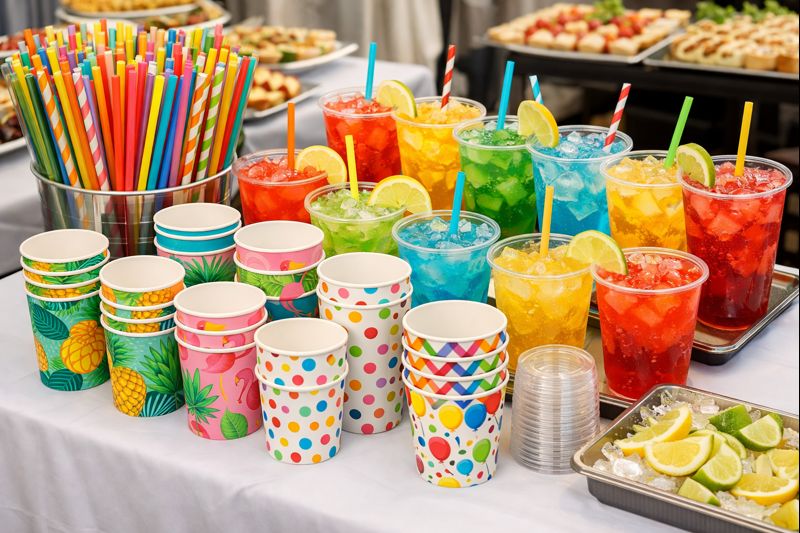
- Best fit: cold beverages, iced tea, lemonade, juice, milk tea, smoothies, and quick-serve drinks.
- Risk zones: very hot drinks held for long periods, or storage in high-heat environments (e.g., direct sun, hot vehicles) where softening can occur.
- Operational note: individually wrapped options can reduce contamination risk at self-serve stations and off-site catered events.
PLA paper cups for hot and cold beverage service
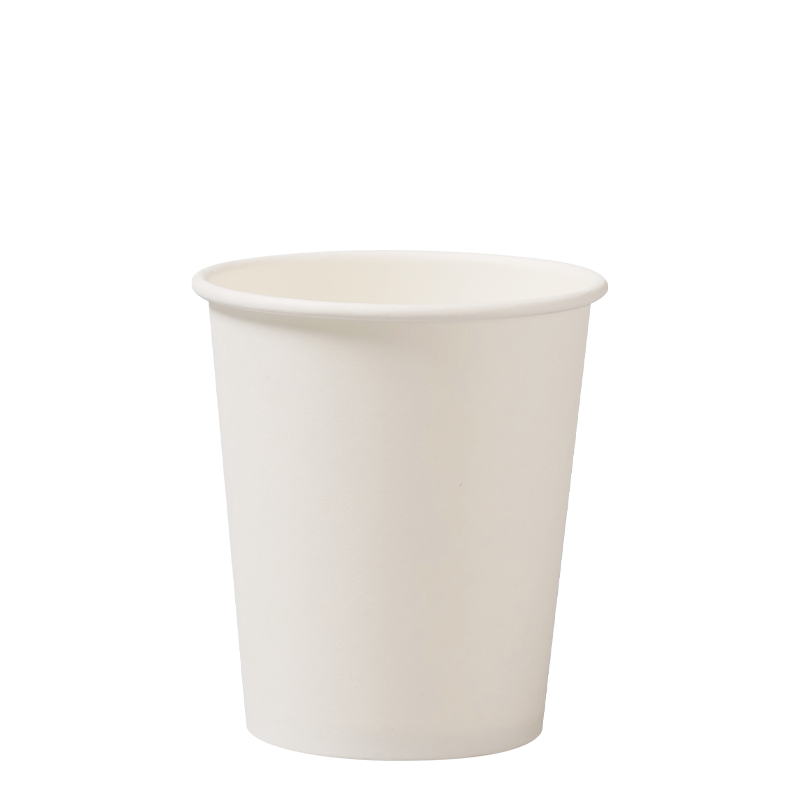
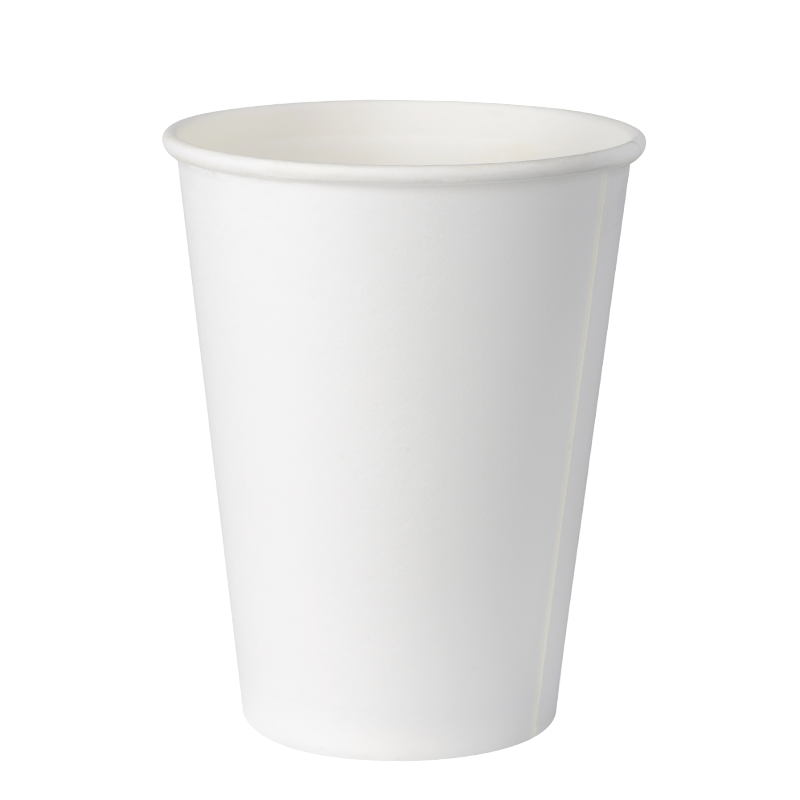
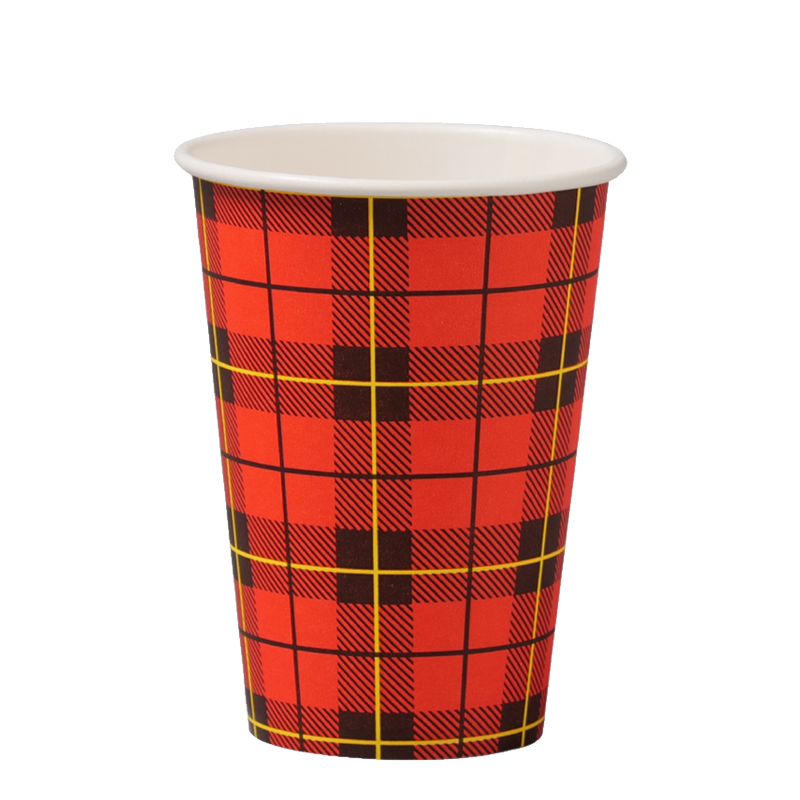
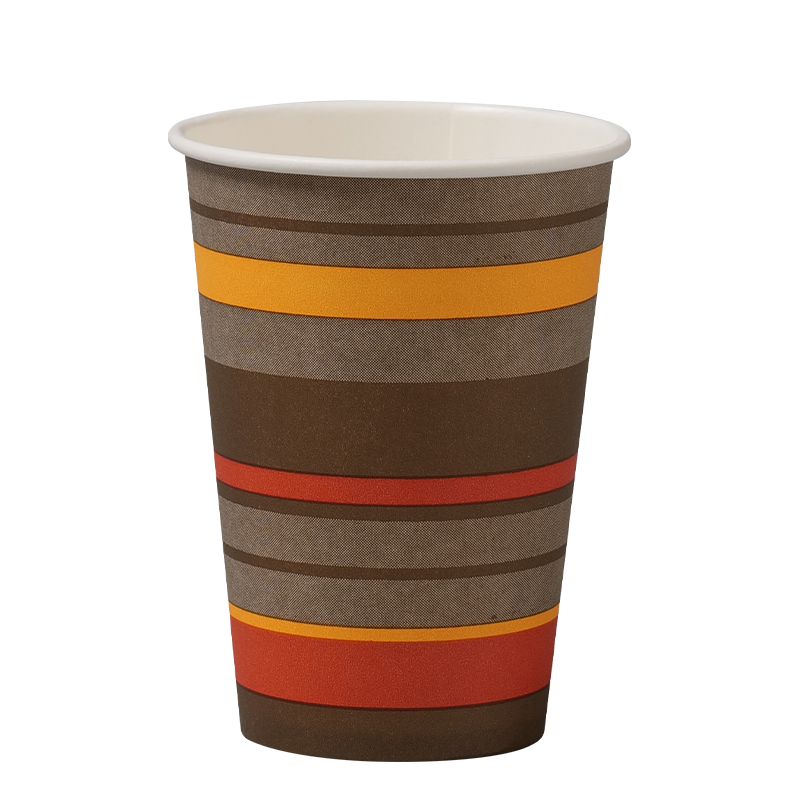
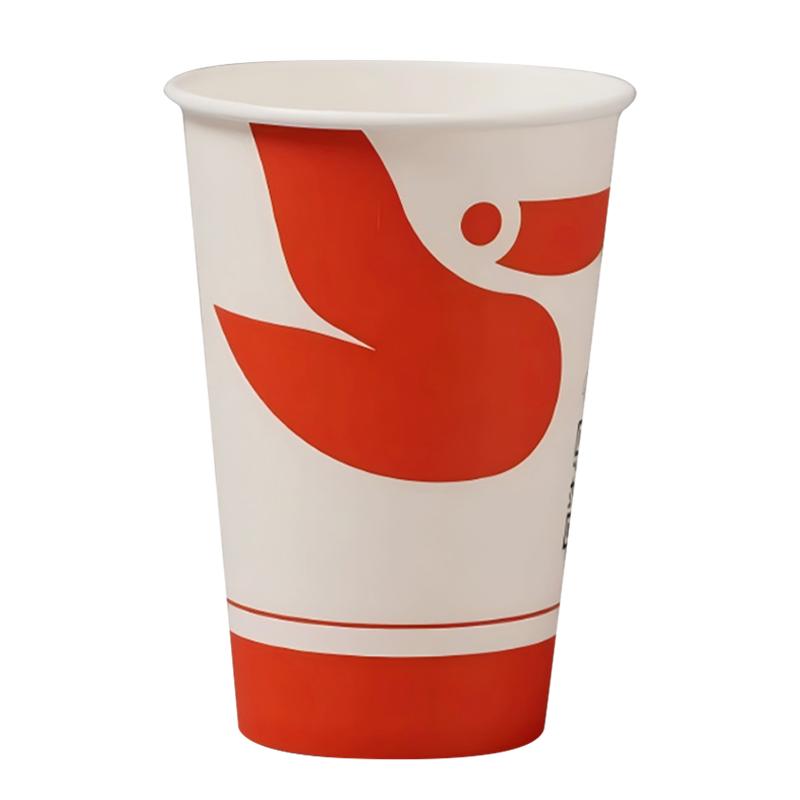
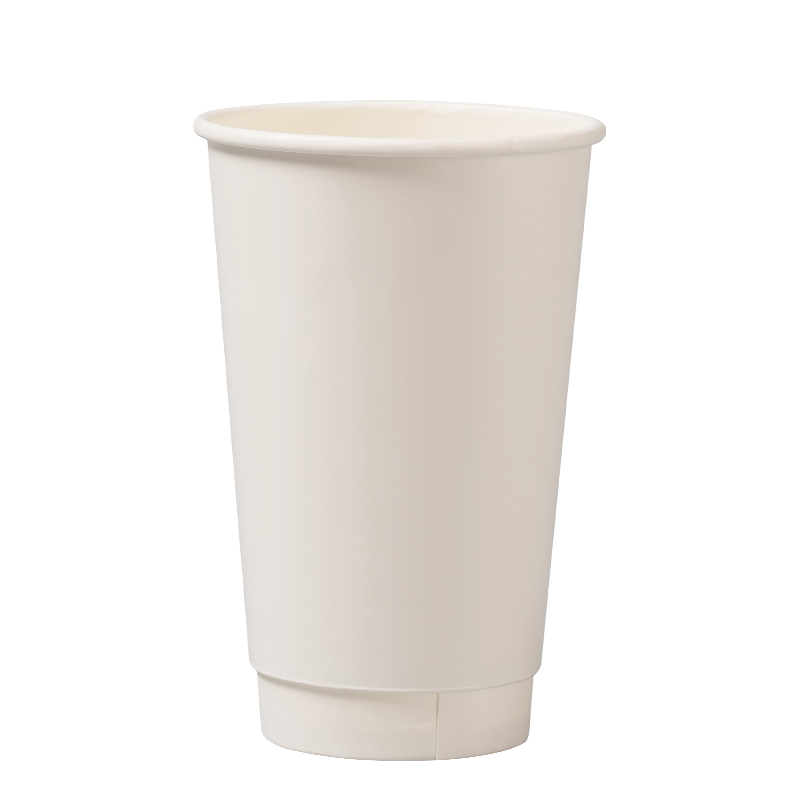
In catering, paper cups need reliable liquid resistance, print quality, and predictable sealing behavior for lids. PLA coatings are used as an alternative to traditional PE linings, helping align disposable cups with compostability targets when the cup is directed into an organics stream.
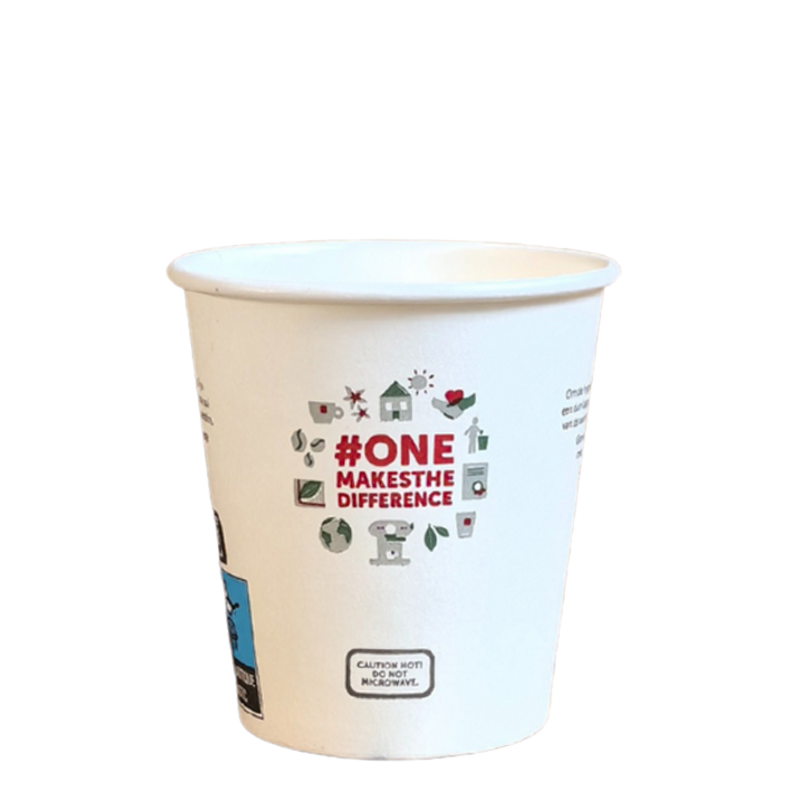
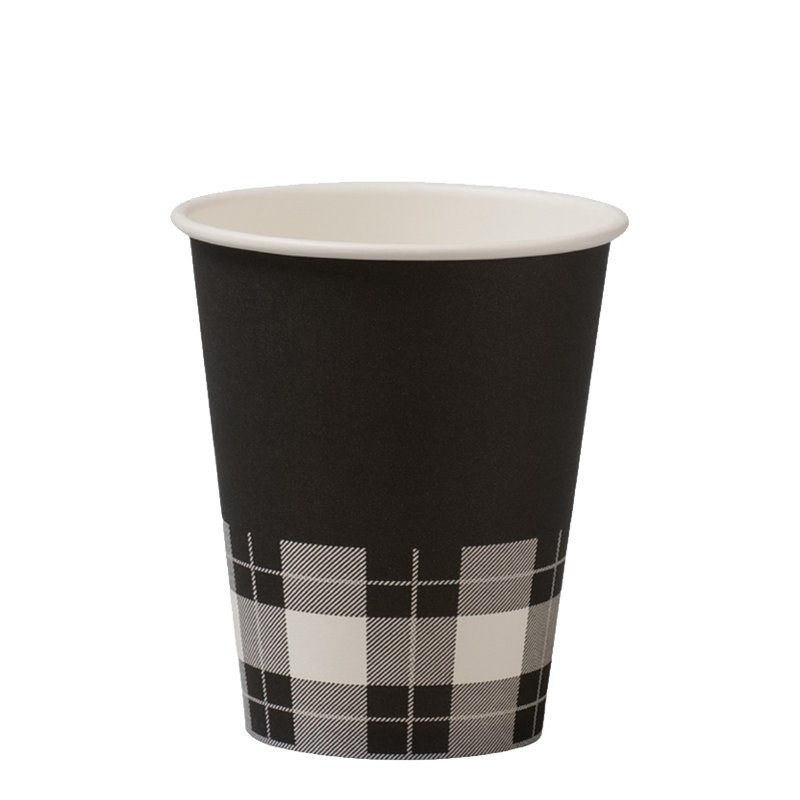
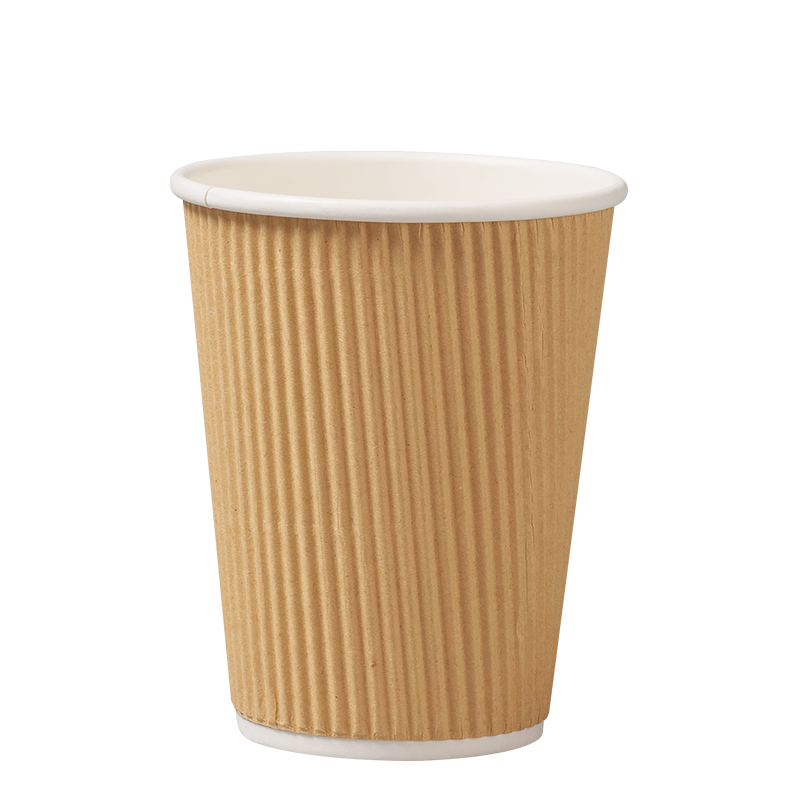
Our PLA paper cups support multiple paper choices (for example, plain white, kraft, bamboo paper, and bagasse paper) and PLA coating options. We also provide 1–9 color flexo printing so catering brands can keep consistent visual identity across events and outlets.
Service temperature guidance: PLA-coated paper cups typically perform well for cold beverages and for moderately hot beverage use, with many applications described up to around 80°C. For very hot fills and long holding times (e.g., coffee held in insulated carriers), we recommend a quick pilot test under your exact service conditions.
Where PLA fits best: a catering-oriented decision table
| Catering scenario | Recommended PLA item | Practical temperature window | Operational note |
|---|---|---|---|
| Iced drinks / juice bars / bottled water service | PLA straws + PLA paper cups | Cold to cool | High compatibility; easiest guest acceptance and lowest performance risk. |
| Milk tea / smoothies / thick beverages | Wide-diameter PLA straws (e.g., 11–12mm) | Cold to warm, short hold | Select diameter based on inclusions (pearls, fruit pieces) to reduce clogging complaints. |
| Coffee/tea service with immediate consumption | PLA paper cups (moderate heat) | Warm to moderately hot | Run a short pilot to confirm performance for your fill temperature and holding time. |
| Hot beverage service with long holding (carafes, long transport) | Case-by-case (pilot required) | Hot and prolonged exposure | High risk for softening/adhesive issues; validate materials and storage conditions. |
End-of-life reality: making compostability achievable, not theoretical
For catering companies, the largest “hidden failure mode” of PLA programs is disposal mismatch. Even if your products are designed for industrial composting, local infrastructure and facility acceptance policies determine whether composting is possible.
Three actions that materially improve outcomes
- Confirm acceptance first: ask your hauler/composter whether they accept certified compostable plastics and PLA paper cups, not just “food waste.”
- Control contamination: keep a clearly labeled organics bin paired with the beverage station and train staff to redirect common contaminants (caps, wrappers, cutlery).
- Design signage for speed: use one simple instruction for guests (e.g., “Food + compostable cup + compostable straw”) and avoid mixed messages that slow sorting.
If your region lacks an organics program that accepts compostable serviceware, PLA can still help you meet purchasing policies or customer expectations—but you should be transparent internally that the environmental benefit may be limited until collection and processing are available.
Conclusion: a practical standard for PLA use in catering service
PLA can be a strong fit for catering beverage service when you treat it as an engineered material with specific operating limits, not as a generic “eco” substitute. In practice, the best results come from focusing PLA on the highest-volume, most controllable use cases: cold drinks, iced beverage stations, and cups designed for cold-to-moderately-hot use.
If you can verify a commercial composting route (or organics acceptance) and align your beverage temperatures to PLA’s practical limits, PLA straws and PLA paper cups are a reliable, guest-friendly upgrade path.
Where the fit is right, you can standardize service with a short product set: an individually wrapped PLA straw matched to your drink viscosity, and a PLA paper cup size range that covers your menu. If you would like a recommended size/dimension shortlist for your specific catering menu, we typically map it to your drink types (water/juice, milk tea, smoothies, hot beverages) and your expected holding times to minimize field complaints.
All products can be customized according to your needs. Feel free to email us at [email protected] for more product information and customization solutions.