+86-18863350588
 English
 Français
 Deutsch
 Español

Plastic vs Paper Vending Cups: Which Is Right for Your Machine?
Content
- 1 How Plastic and Paper Vending Cups Are Structurally Different
- 2 Machine Compatibility: Where Most Buying Decisions Actually Break Down
- 3 Performance Under Real Operating Conditions
- 4 Regulatory Landscape: Why Paper Is Gaining Ground
- 5 Sustainability Credentials: What Buyers Are Actually Asking For
- 6 Total Cost Comparison: Unit Price Is Not the Whole Picture
- 7 Choosing the Right Paper Cup for Your Vending Application
- 8 Our Position on This Comparison
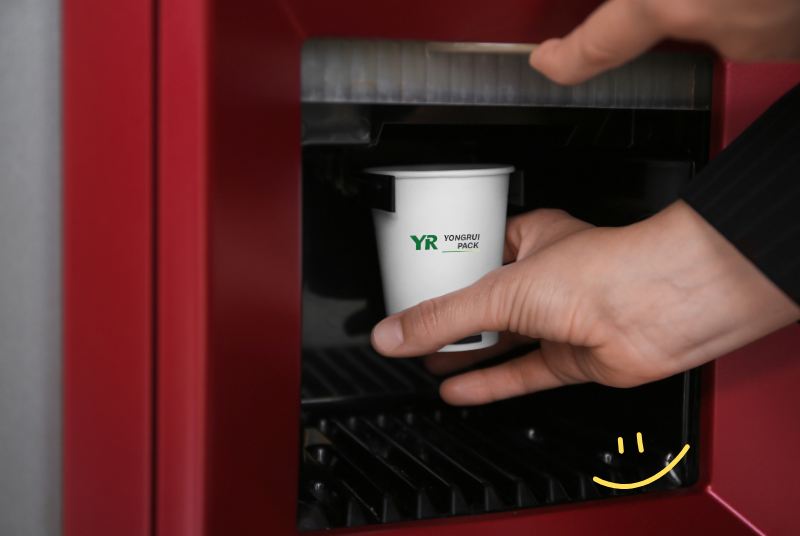
If you're sourcing cups for vending machines — whether for office buildings, hospitals, transportation hubs, or food service — the choice between plastic and paper is rarely just about material preference. It affects machine compatibility, dispensing reliability, regulatory compliance, and the overall experience of the end user. Having worked with vending operators and brands across Europe and beyond for over two decades, I want to walk you through this comparison from a practical standpoint, so you can make the right decision for your specific operation.
How Plastic and Paper Vending Cups Are Structurally Different
Plastic vending cups—most commonly made from polystyrene (PS) or polypropylene (PP)—are injection-molded with very tight dimensional consistency. Their walls are thin and rigid, and they typically have a smooth, uniform taper that allows them to stack and separate cleanly in dispensing mechanisms.
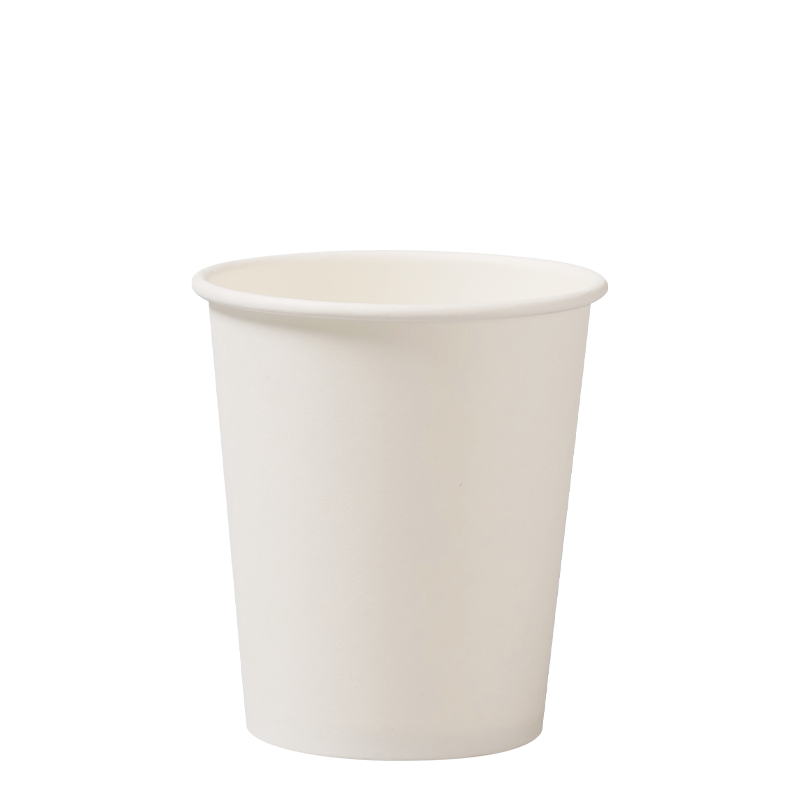
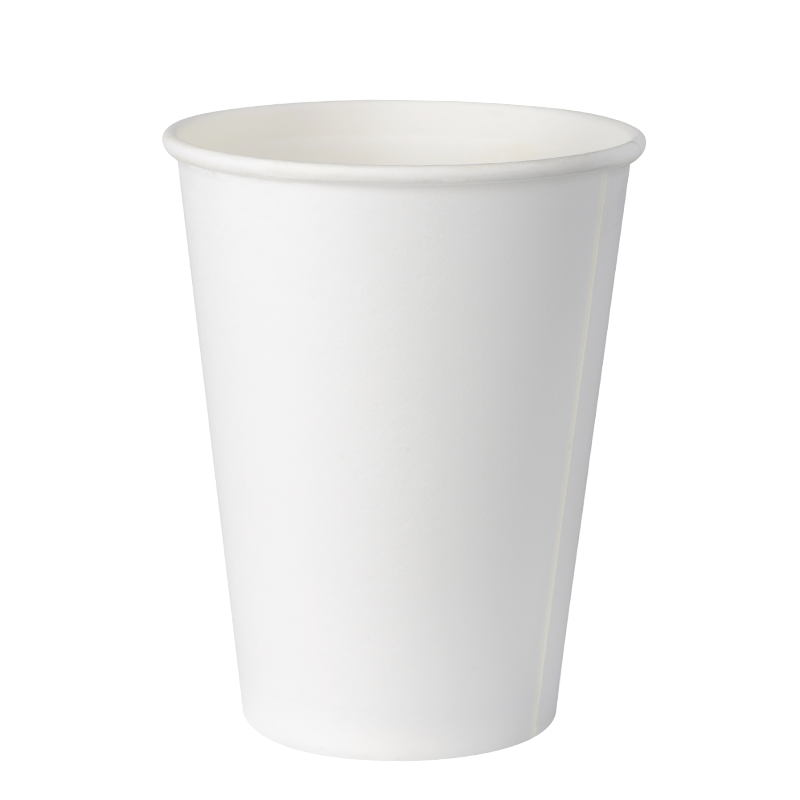
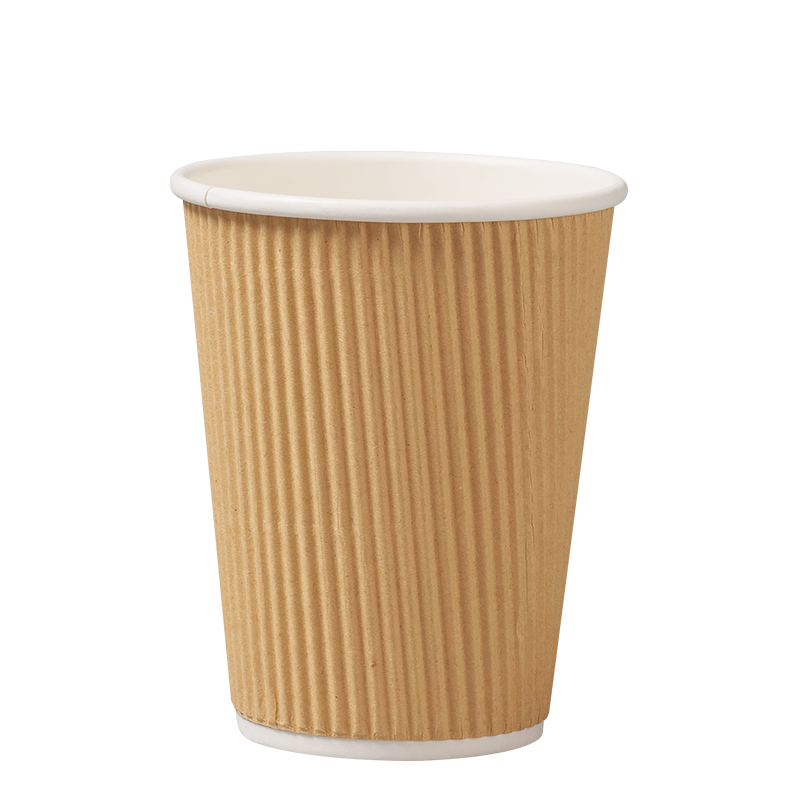
Paper vending cups are constructed from food-grade paperboard, typically with a thin PE or PLA moisture barrier coating on the interior. The cup body is formed by rolling and seaming, with a curled rim at the top and a folded bottom seam. This manufacturing process means dimensional tolerances—especially rim diameter, mouth opening, and bottom height—are critical factors in determining how reliably the cup will feed through a machine.
The structural differences between the two materials create meaningful downstream implications for machine compatibility, performance under temperature, and end-of-life disposal.
Machine Compatibility: Where Most Buying Decisions Actually Break Down
The most overlooked factor when switching from plastic to paper cups—or sourcing paper cups for the first time—is machine compatibility. Vending machines are calibrated around specific cup geometries. A mismatch in rim curl height, outer diameter tolerance, or stacking pitch will cause cup jams, double-feeds, or dispensing failures, regardless of how good the cup material is.
What machines need from plastic cups
Plastic cups maintain their geometry very predictably because injection molding produces almost zero dimensional variance between units. Machine manufacturers have historically engineered dispensing systems around these characteristics. This makes plastic cups straightforward to qualify—if one unit passes, the batch almost always passes.
What machines need from paper cups
Paper cups introduce more variables: the stiffness of the base paper, the consistency of the rim curl, the accuracy of the body taper angle, and the seam profile at the bottom all influence how the cup separates from the stack and travels through the transfer path. A paper cup that feeds correctly in one machine model may jam repeatedly in another, even if the nominal size appears identical. This is why working with a manufacturer that treats dispensing performance as a primary qualification metric—not an afterthought—matters so much.
When evaluating paper cup suppliers, always request samples for machine trialing before committing to volume. A reputable supplier will support this process and help match cup geometry to your specific machine model.
Performance Under Real Operating Conditions
Vending environments are not controlled. Cups may sit in dispensers for days or weeks, exposed to fluctuating humidity and temperature. Both plastic and paper respond to these conditions differently.
| Factor | Plastic (PS / PP) | Paper |
|---|---|---|
| Dimensional consistency | Very high (injection molded) | High when well-manufactured; variable with lower-grade suppliers |
| Hot beverage performance | Good, but can transfer plastic taste at high temps | Good with proper food-grade coating; neutral taste |
| Cold beverage performance | Good condensation resistance | Good with double PE or PLA coating; less resistant with single coat |
| Structural rigidity in hand | High | Medium to high, depending on paperboard weight |
| Humidity sensitivity in dispenser | Minimal | Moderate; premium paper weight mitigates this |
| End-user perception | Neutral to negative (plastic stigma growing) | Positive; associated with eco-consciousness |
One area where paper cups can underperform is in high-humidity dispensers. Thin paperboard absorbs ambient moisture, softening the rim and altering the stacking friction—both of which affect dispensing. Specifying cups made from 190?30g food-grade paperboard, as used in well-engineered vending paper cups, significantly reduces this risk.
Regulatory Landscape: Why Paper Is Gaining Ground
Regulatory pressure is one of the clearest drivers of the shift from plastic to paper in vending applications. The EU Single-Use Plastics Directive (SUPD), which came into full effect in 2021, restricts a range of single-use plastic products and imposes extended producer responsibility obligations on others. While PS vending cups are not fully banned across all markets, they are facing increasing restrictions and surcharges in several countries.
In France, mandatory plastic reduction requirements for vending operators began rolling out from 2023. Several German and Nordic markets have either implemented plastic cup levies or are in active legislative review. For operators managing large vending fleets across multiple European countries, the compliance burden of maintaining plastic cups is growing, while paper cups continue to remain exempt from most current restrictions.
Sustainability Credentials: What Buyers Are Actually Asking For
Environmental performance has moved from a marketing angle to a procurement requirement. Corporate ESG programs and institutional purchasing policies increasingly require suppliers to document material sourcing and end-of-life recyclability. This is where paper and plastic diverge most meaningfully.
Recyclability and compostability
Standard PE-coated paper cups are recyclable in markets with dedicated paper cup collection infrastructure, though the PE layer does reduce recycling efficiency. PLA-coated or aqueous-coated paper cups offer improved compostability profiles and are better suited for buyers who need to meet industrial composting standards. Plastic vending cups (particularly PS) have very low recycling rates in practice—the global average recycling rate for polystyrene is estimated at under 1%, which is increasingly difficult to defend in sustainability reporting.
Certified raw material sourcing
For buyers who need to document sustainable sourcing, paper cups offer a clear path: FSC (Forest Stewardship Council) and PEFC certification confirm that the paperboard originates from responsibly managed forests. The EU Deforestation Regulation (EUDR), which applies to certain forest-risk commodities, is also increasingly reflected in paper cup procurement—suppliers who can provide FSC+EUDR or PEFC+EUDR documentation offer buyers a verifiable compliance record. This level of traceability simply does not exist for plastic vending cups.
Total Cost Comparison: Unit Price Is Not the Whole Picture
On a pure unit cost basis, plastic vending cups are often slightly cheaper than paper, particularly for smaller sizes. However, this comparison misses several cost factors that affect the total operating picture.
- Regulatory compliance costs: As plastic cup restrictions expand, operators face potential surcharges, reporting obligations, or forced transitions—all of which carry cost and disruption. Transitioning proactively to paper avoids these costs.
- Machine downtime from cup jams: A low-cost paper cup that jams frequently generates service call costs, lost revenue, and user complaints that far outweigh any per-unit savings. Quality-engineered paper cups with tightly controlled dimensions reduce jam rates and lower operational maintenance costs.
- Brand and contract implications: For operators supplying vending services to corporate clients, hospitals, or public institutions, the ability to offer paper cups may be a contract qualification requirement rather than an option. Failing to meet sustainability specifications can cost an operator an entire account.
- Waste management: Disposing of large volumes of plastic cups in commercial settings may incur higher waste handling costs in jurisdictions with plastic levies or extended producer responsibility schemes.
When these factors are included, the real cost gap between plastic and paper vending cups is often much narrower than the unit price difference suggests.
Choosing the Right Paper Cup for Your Vending Application
Not all paper vending cups are equivalent. For operators transitioning from plastic, or those looking to upgrade their current paper cup specification, these are the practical criteria to evaluate:
- Machine compatibility documentation: Does the supplier provide dimension sheets covering rim diameter, mouth opening, body taper angle, and bottom height? Have the cups been tested in your specific machine model or an equivalent?
- Paperboard weight and quality: Cups for hot beverages typically require 190?30g food-grade paperboard for adequate stiffness and heat resistance. Thinner stock deforms more easily and increases jam risk.
- Coating type: Standard PE coating is suitable for most hot and cold applications. PLA or aqueous coatings are preferable if you need industrial compostability credentials.
- Certification status: For European markets especially, FSC+EUDR or PEFC+EUDR documentation is increasingly required. Confirm the supplier can provide current, valid certificates—not just claims.
- Sampling and trialing process: A supplier confident in their product will support pre-production sampling and machine trials. This step is not optional for new cup qualifications.
- Production consistency: For high-volume vending operations, batch-to-batch dimensional consistency is as important as the initial sample qualification. Ask about quality control processes and tolerance limits.
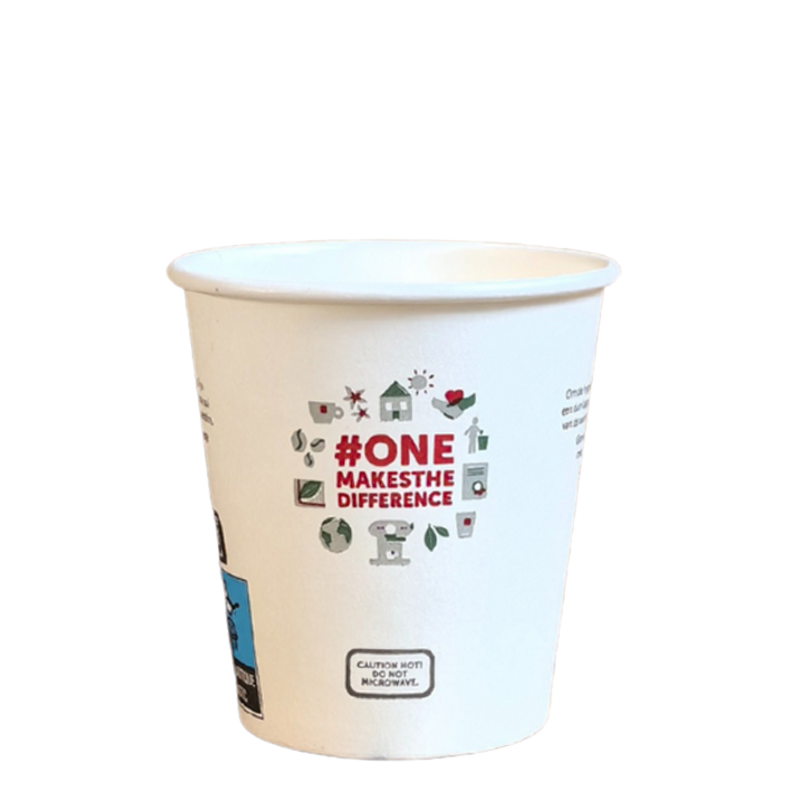
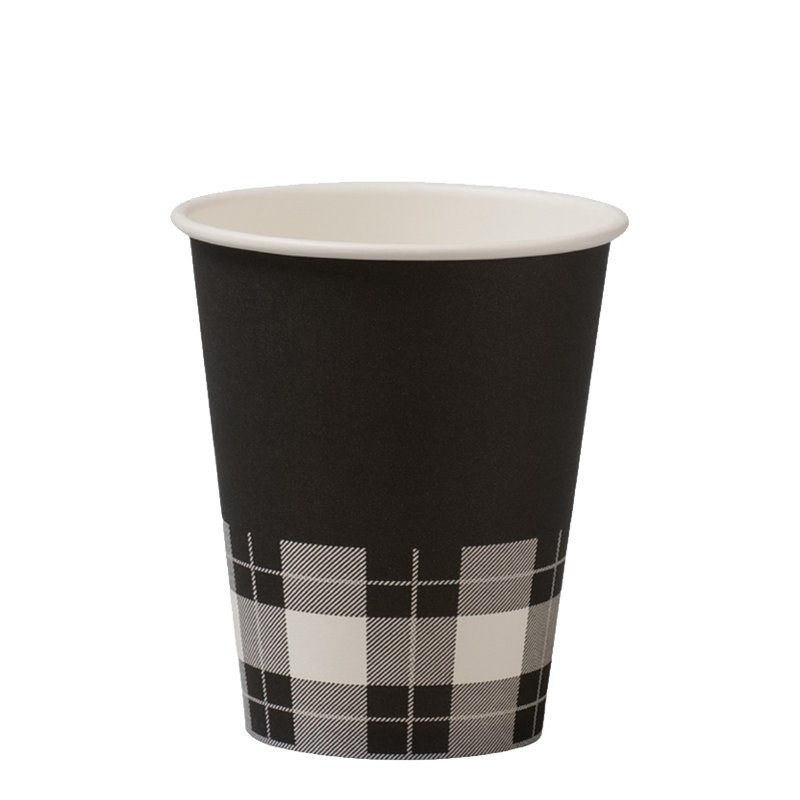
We manufacture a full range of vending paper cups specifically engineered for automated dispensing environments, available in sizes from 3oz to 12oz with FSC+EUDR certification options and support for pre-production machine trialing.
Our Position on This Comparison
Plastic vending cups still work. In markets without regulatory pressure, for operators with legacy machines tightly calibrated around plastic geometry, and for short-term cost-driven decisions, they remain a functional option. We're not dismissing that.
But the trajectory is clear. Regulatory restrictions are expanding, not contracting. Corporate sustainability requirements are getting stricter. Consumer awareness of single-use plastics is high and growing. For operators planning beyond the next 12 months, the transition to paper is not a question of if—it's a question of when and how to do it without disrupting machine performance.
The answer to that question lies in choosing paper cups that are engineered—not just manufactured—for vending. That means precision-controlled dimensions, appropriate paperboard specifications, credible certifications, and a supplier who understands what happens inside a dispensing mechanism. Get those elements right, and the transition from plastic to paper is operationally smooth.