+86-18863350588
 English
 Français
 Deutsch
 Español

How Food Packaging Becomes a Branding & Marketing Asset
Content
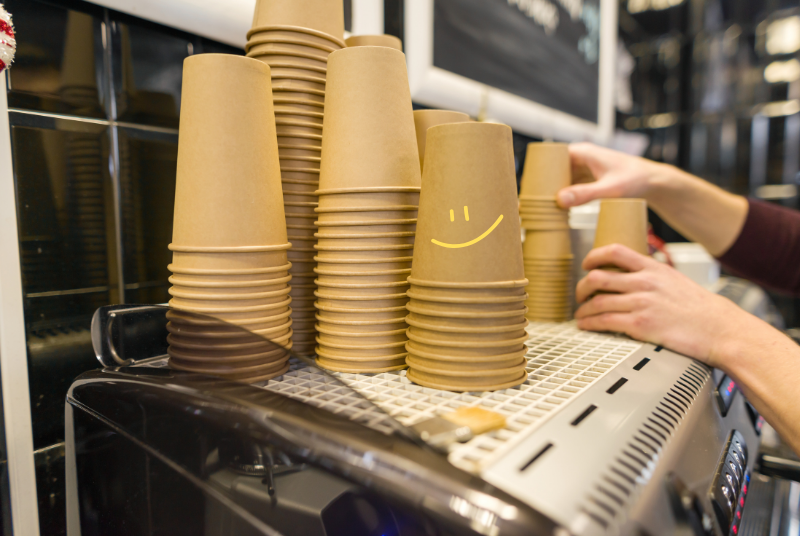
Every time a customer picks up your cup, bowl, or container, they're interacting with your brand. Food packaging is no longer just a vessel—it's a 24/7 marketing channel. As a manufacturer working with food and beverage businesses across global markets, we've seen firsthand how the right packaging decisions translate directly into stronger brand recognition, repeat purchases, and even social media visibility.
This article walks through the concrete ways packaging becomes a branding and marketing asset—and what that means for your sourcing decisions.
The First Impression Happens Before the First Sip
Research consistently shows that consumers form packaging judgments within 7 seconds of visual contact. In a crowded café counter or food delivery bag, your packaging is competing for attention the same way a billboard does on a highway.
Key visual factors that influence brand perception at first glance:
- Color consistency with your brand identity
- Logo placement and print clarity
- Structural form (a premium double-wall cup signals quality before the customer even touches it)
- Surface texture—smooth coatings versus kraft finishes communicate very different brand personalities
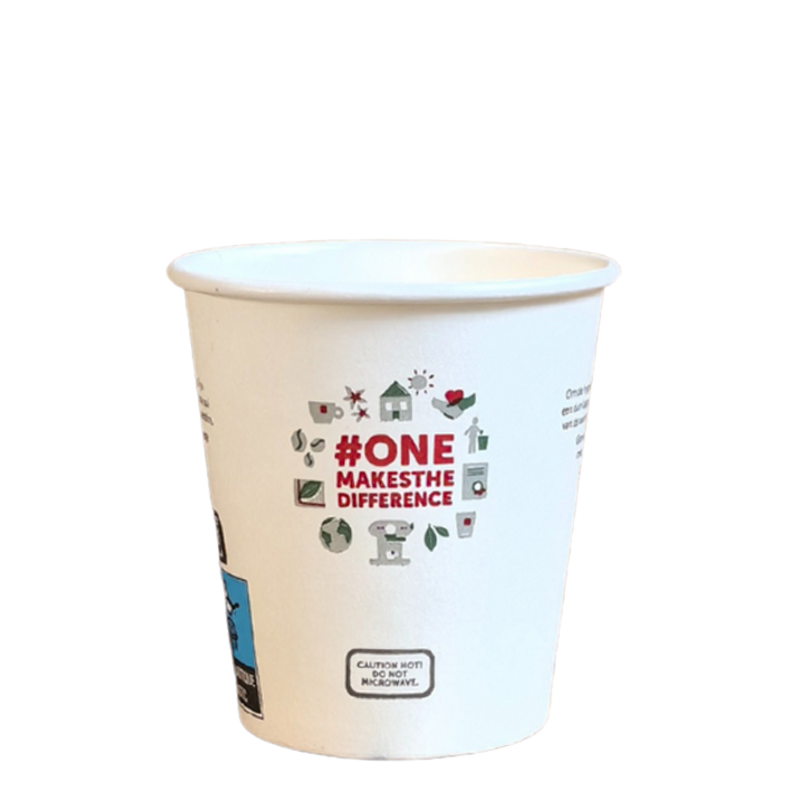
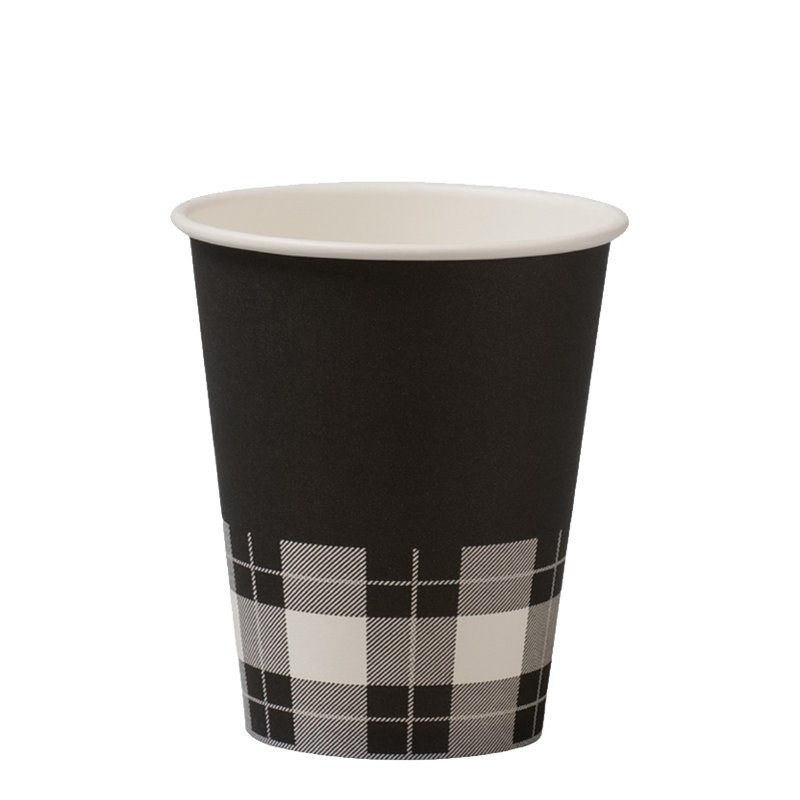
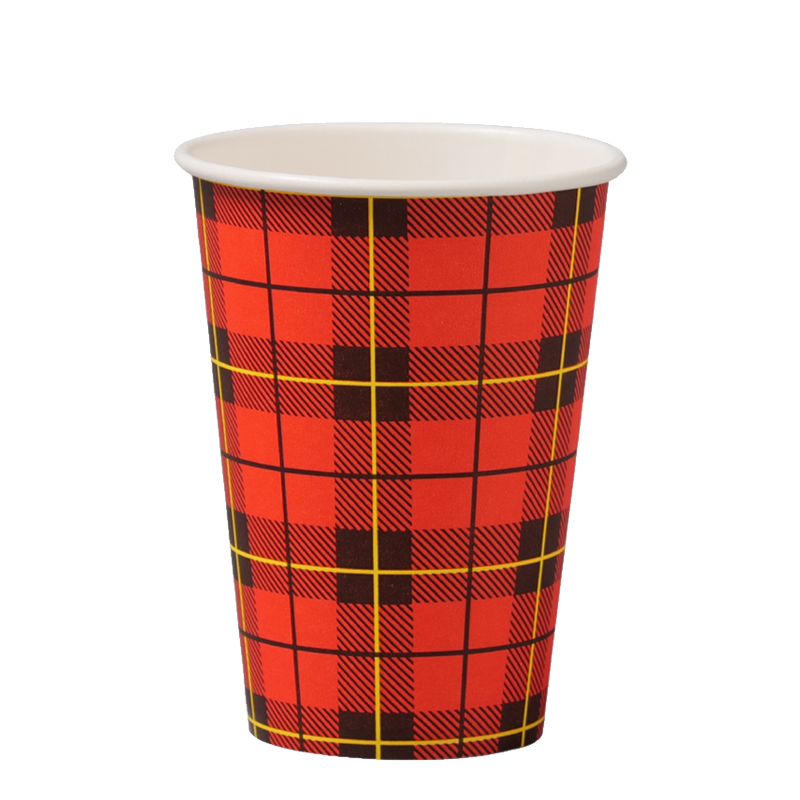
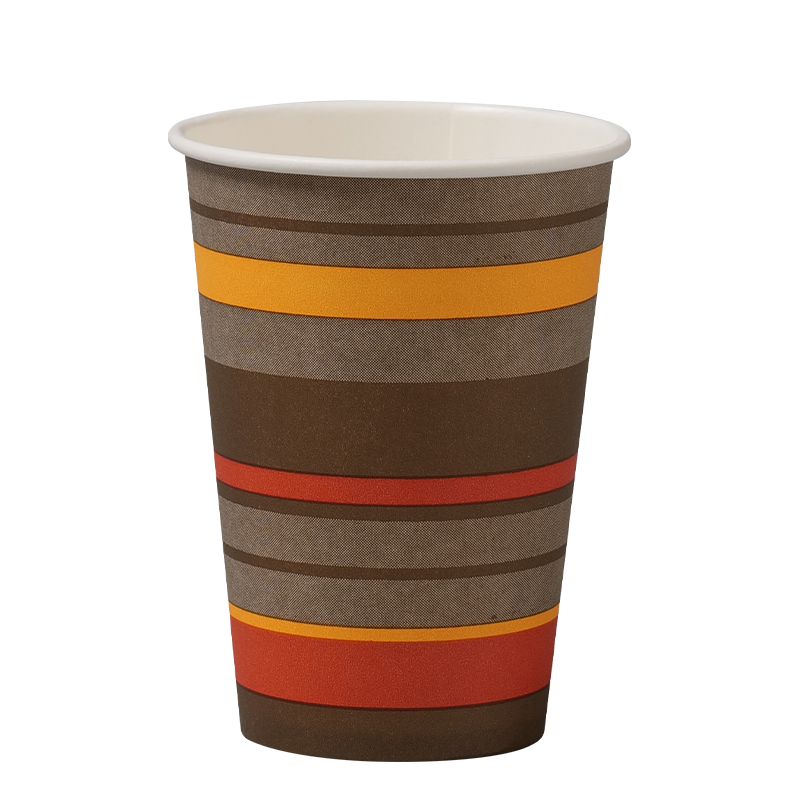
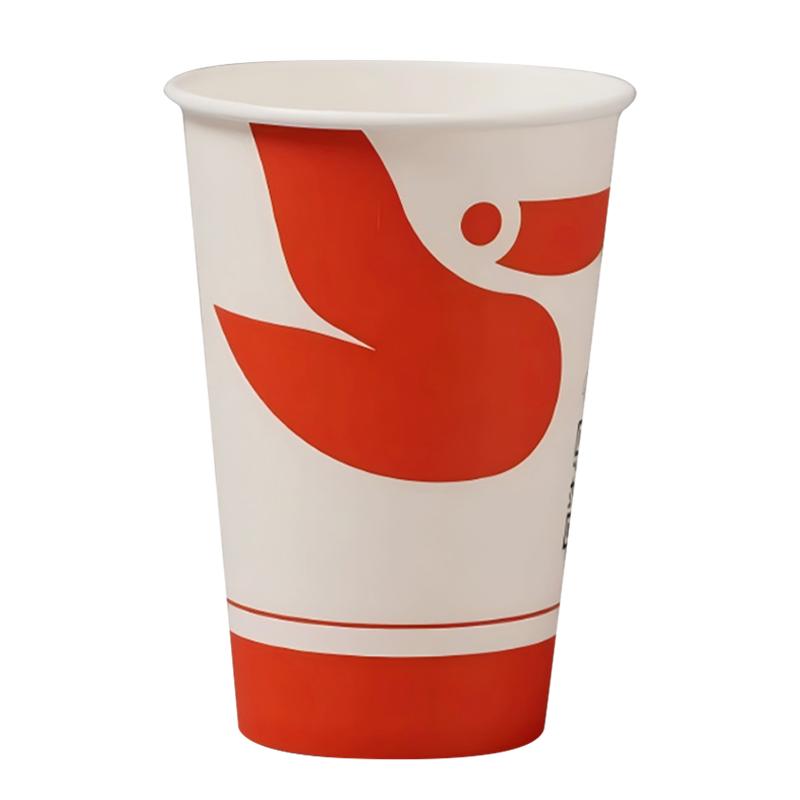
For coffee shops and QSR chains, custom-printed paper cups are one of the most cost-effective ways to deliver this first impression consistently. A branded paper cup with a well-executed logo print does more for brand awareness per unit cost than most digital ad formats at the local level.
Packaging as a Mobile Billboard
A customer walking out of your store with a branded cup exposes your logo to everyone they pass. In a busy urban area, a single cup can generate dozens of brand impressions on a single commute. Multiply that across hundreds of daily transactions and the brand reach becomes significant—at zero additional media spend.
This "walking billboard" effect becomes even more powerful when:
- The design is visually distinctive enough to stand out
- Packaging is photo-worthy, encouraging organic social media sharing
- Seasonal or limited-edition artwork creates shareability spikes
Starbucks' annual holiday cup campaigns are the most cited example—they generate millions of social impressions without paid promotion. The underlying mechanism is available to any brand willing to invest in thoughtful packaging design. Holiday-customized paper cups are a practical entry point for seasonal brand moments.
Customization Options and Their Branding Impact
Not all customization delivers equal branding value. Here's a practical comparison of common packaging customization options and their primary marketing benefit:
| Customization Type | Packaging Format | Primary Branding Benefit |
|---|---|---|
| Full-wrap logo print | Paper cups, paper bowls | Brand recognition & in-store visibility |
| Embossed texture | Double-wall cups | Premium feel, tactile brand differentiation |
| Kraft/natural finish | Eco-friendly cups & bowls | Sustainability positioning |
| Seasonal artwork | All cup & bowl formats | Social sharing, campaign tie-ins |
| Branded cup sleeves | Hot drink cups | Low-cost branding add-on, tactile hold |
For businesses not ready for full custom print runs, custom paper cup sleeves offer a flexible and lower-MOQ entry point to branded packaging without committing to a completely new cup design.
Sustainability as a Brand Value Signal
Environmental positioning has moved from a niche differentiator to a mainstream purchase driver. A 2023 NielsenIQ study found that 78% of global consumers say a sustainable lifestyle is important to them, and packaging is one of the most visible signals a food brand can send.
Choosing packaging materials communicates brand values directly:
- PLA-lined or aqueous-coated cups signal a commitment to compostability without sacrificing performance
- Kraft paper and bamboo pulp aesthetics visually reinforce a natural, eco-conscious brand identity
- FSC-certified materials provide a third-party verified claim that resonates with environmentally aware buyers
Our eco-friendly paper cup range—including PLA, aqueous-coated, brown kraft, and bamboo pulp options—gives brands the material choice to match their sustainability narrative. These products are FSC and EUDR available, which matters when your customers ask for documented sourcing credentials.
Consistency Across the Full Packaging Set
Strong brand identity requires consistency. A customer who receives a beautifully printed cup alongside a generic bowl or a mismatched lid gets a fragmented brand experience. The goal is visual cohesion across every touchpoint on the table or in the delivery bag.
Building a Cohesive Packaging System
Consider how each element in your packaging lineup contributes to a unified brand presentation:
- Cups: primary brand canvas, maximum print surface area
- Bowls: high-visibility for salad bars, noodle shops, and delivery-first concepts — custom-printed paper bowls carry branding into every meal occasion
- Lids: often overlooked, but a matched lid color or logo emboss reinforces brand polish
- Accessories (sleeves, straws, carriers): each a micro-brand touchpoint when coordinated
We supply the full packaging complement—cups, bowls, lids, sleeves, straws, and carriers—which makes it practical to source a coordinated system from one supplier rather than piecing together mismatched components from multiple vendors.
Practical Considerations for Sourcing Branded Packaging
When evaluating suppliers for branded packaging, these factors directly affect brand output quality:
- Print registration accuracy: misaligned prints erode brand credibility; ask for printed samples before committing to a run
- Color consistency across batches: pantone-matched printing ensures your brand colors remain stable order to order
- MOQ flexibility: lower MOQs allow smaller brands and new concepts to test seasonal designs without overcommitting inventory
- Artwork support: whether the supplier's team can work from your existing brand guidelines or requires specific file formats
Turning Packaging Into a Long-Term Brand Investment
The businesses that get the most marketing value from their packaging treat it as a brand investment rather than a commodity cost. That shift in framing changes how they spec materials, approve artwork, and plan seasonal rotations.
Practically, this means:
- Allocating design budget to packaging as you would to signage or digital content
- Planning at least one seasonal packaging rotation per year to generate fresh brand moments
- Selecting material finishes that align with your brand positioning (premium, eco, playful, minimal)
- Ensuring your supplier can scale with you as order volumes grow
With over 20 years of manufacturing experience and dedicated customization capabilities, we work with food brands at every stage—from emerging concepts ordering their first custom run to established chains managing multi-SKU seasonal programs. If you're rethinking how your packaging works harder for your brand, we're a practical starting point.