+86-18863350588
 English
 Français
 Deutsch
 Español

How F&B Brands Use Cup Design to Boost Customer Social Sharing
Content
A customer picks up their order, glances at the cup, and before taking a sip — pulls out their phone. That moment is not accidental. The most competitive F&B brands today engineer it deliberately, treating cup design not as packaging, but as a social media trigger. With most of consumers, a single well-designed cup in a customer's hand can reach more people — more credibly — than a paid ad campaign. Understanding how food packaging functions as a branding and marketing asset is now a competitive necessity for any F&B operator thinking beyond the transaction.
Not every attractive cup gets photographed. What separates a shareable cup from a forgettable one comes down to a handful of deliberate design decisions.
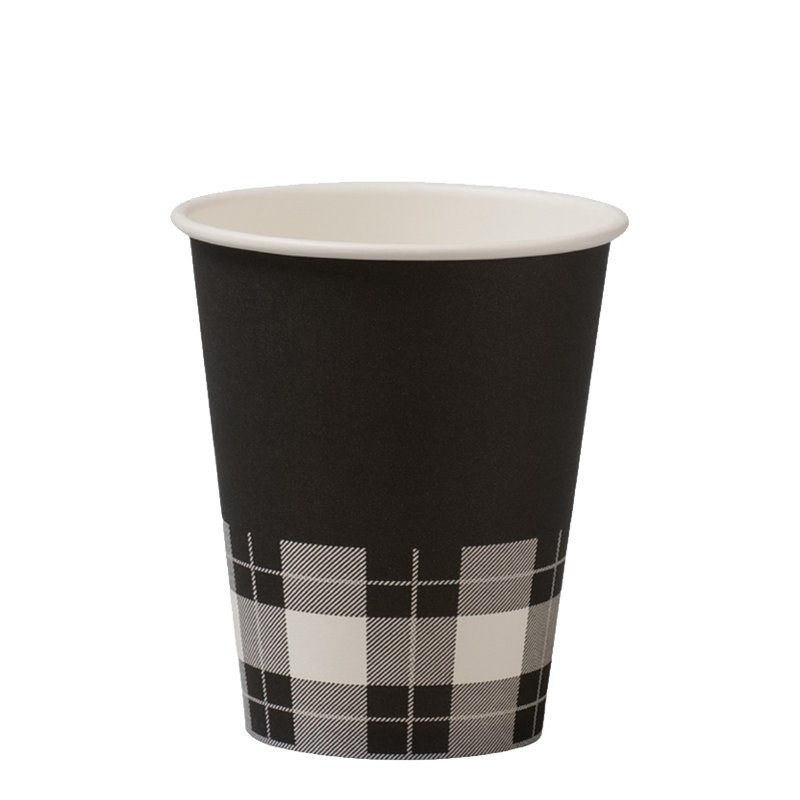
Color contrast and print clarity are the first filter. On a phone screen, muted or muddy tones flatten out and disappear. Brands that consistently generate organic posts tend to use bold, high-contrast color fields — often a single dominant brand color against white or kraft — with crisp, full-wrap print that reads cleanly even in a quick snapshot. High-resolution printing on quality paper stock is not a luxury; it is the baseline for a cup that photographs well.
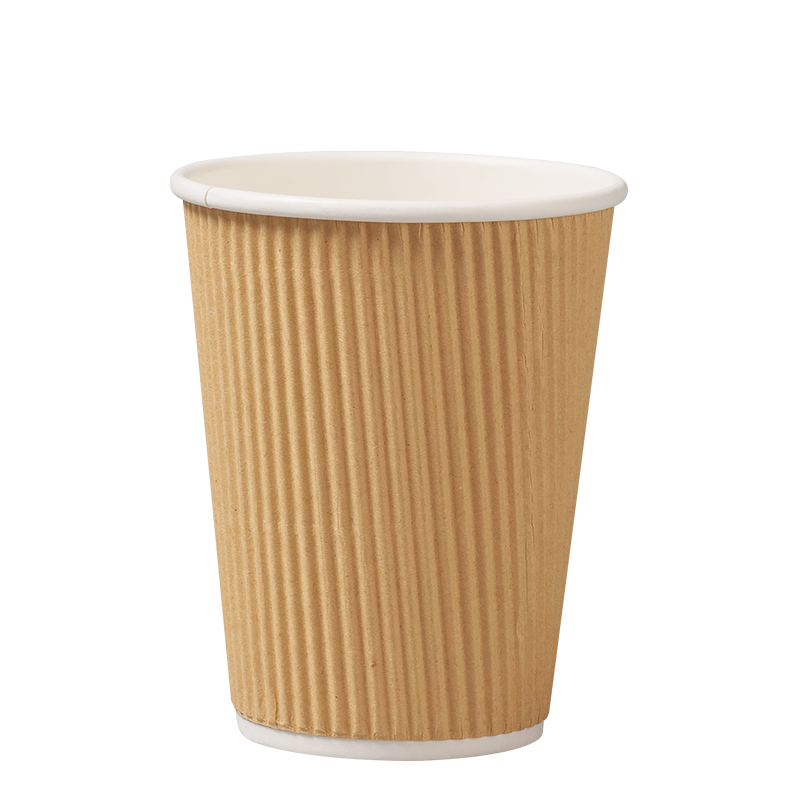
Texture and structural detail add a second layer. Embossed patterns, ripple-wall surfaces, and gold or silver lining create a tactile-visual richness that draws the eye and signals premium quality. These details communicate value before the customer even looks at the logo, and they photograph with depth that a flat-printed cup cannot replicate. Custom-printed paper cups tailored to your brand identity open up the full range of these options — from structural choice to finish — and give procurement teams direct control over what ends up in customers' hands. For brands that want to anchor their identity in the cup itself, branding paper cups designed for visual impact are the most direct path to a consistent, photographable result across every serve.
One underused design move: intentional negative space. A cup that leaves breathing room around the logo — rather than filling every millimeter — looks more confident and photographs more elegantly. Customers sharing content on Instagram and TikTok are producing visual content constantly; they respond to things that look designed, not cluttered.
Seasonal and Limited-Edition Cups: The FOMO Effect
Scarcity is one of the most reliable social sharing triggers in F&B. Seasonal cup designs work because they combine two powerful motivations: the desire to document a moment ("I got the holiday cup") and the fear of missing it ("this is only here for a few weeks"). The result is a wave of organic posts that costs the brand nothing in media spend.
Starbucks built an annual cultural moment around this mechanic. Their holiday cups are anticipated and debated each year — not because the coffee changes, but because the cup signals a seasonal shift that customers want to be part of. Any F&B brand, at any scale, can replicate the logic: release a design that is time-limited, visually distinct from the standard cup, and clearly tied to a moment customers care about.
Holiday-themed customized paper cups are a practical entry point for brands looking to launch this kind of campaign without overhauling their full packaging line. A seasonal sleeve or a limited colorway can be enough to shift customer behavior from passive consumption to active documentation — and that documentation, spread across their networks, is the distribution the brand is actually after.
Environmental values have become part of how consumers present themselves online. Sharing a cup from a brand with visible eco-credentials — kraft paper, a bamboo pulp body, a compostable lid — is a statement about the customer's own identity, not just a product recommendation. Brands that understand this treat sustainable packaging as an active social tool, not a compliance checkbox.
The material itself communicates. A natural kraft or unbleached paper surface looks deliberate and considered in a photograph. It signals that the brand made a choice — and customers who share that value are motivated to amplify it. Eco-friendly bamboo pulp paper cups deliver this signal visually while meeting the functional requirements of hot beverage service, giving brands a material that works on both the operational and the marketing dimension simultaneously.
A short, well-placed sustainability message on the cup body reinforces the signal. Something as simple as "Made with FSC-certified paper" or "This cup is compostable" — printed cleanly near the base — gives the customer a talking point and the brand a layer of content that reads clearly in a photograph. It turns a passive material choice into an active brand message.
The most overlooked real estate in F&B marketing is the cup surface itself. Brands that want social sharing to happen consistently need to make it easy — and that means building the sharing infrastructure directly into the design.
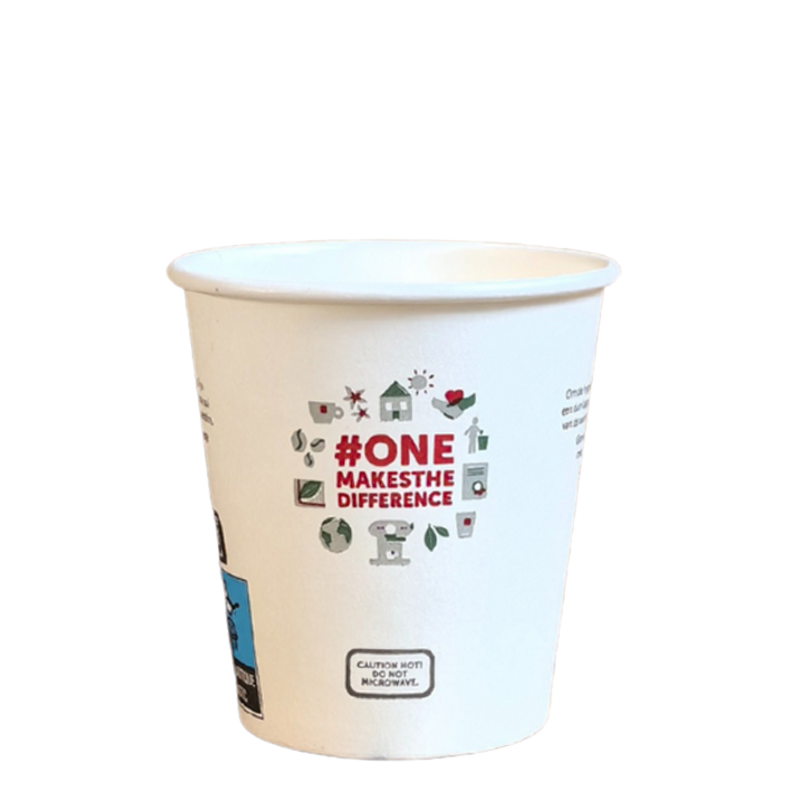
A branded hashtag printed on the cup gives customers an instant on-ramp. It removes the friction of deciding how to caption a post, and it aggregates all customer content under a searchable tag the brand owns and can monitor. The hashtag should be short, memorable, and placed where it remains visible even when the cup is held — typically the upper third of the cup body.
QR codes add a direct conversion layer. A small QR code near the base — linking to a loyalty program, a seasonal promotion, or a UGC gallery — turns a social share into a tracked interaction. Paper cup sleeves as an additional branding surface offer an extra design panel specifically suited to this kind of rotating, campaign-specific content, without requiring changes to the main cup print run.
The brands generating consistent organic reach from their cups are not relying on luck or on exceptional visual design alone. They are treating the cup as a complete communication medium — one that carries visual identity, seasonal relevance, environmental positioning, and a direct call to share, all within the space of a takeaway vessel. Each of those elements can be planned, specified, and sourced deliberately. The social sharing follows from the design, not the other way around.