+86-18863350588
 English
 Français
 Deutsch
 Español

Fruit Paper Container Guide: Ventilation, Size & Branding
Content
- 1 What a Fruit Paper Container Must Do in the Cold Chain
- 2 Ventilation That Preserves Berries Without Weakening the Pack
- 3 Choosing the Right Size: 8oz and 12oz Formats (and Why Dimensions Matter)
- 4 OEM/ODM: What We Can Customize (and What You Should Standardize)
- 5 Sustainability Outcomes That Buyers Actually Measure
- 6 How to Move From “Interested” to the Right Spec (Fast)
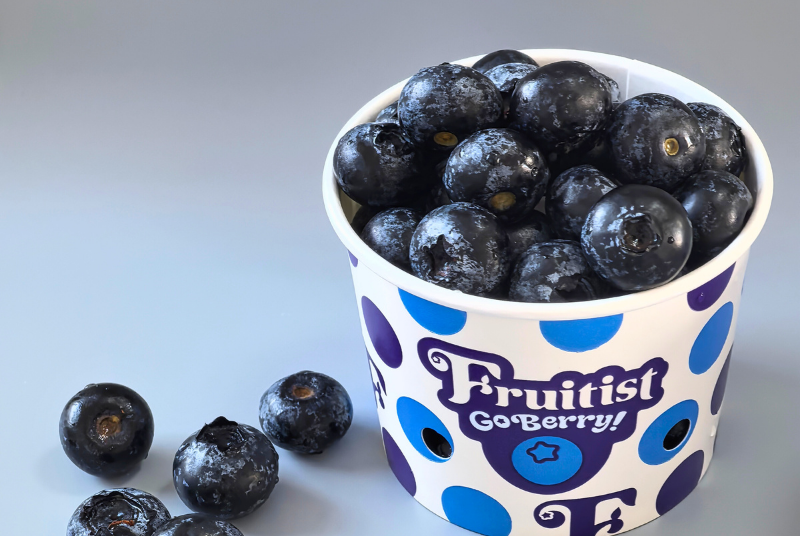
Fresh berries and cut fruit don’t forgive weak packaging. In real distribution—pre-cool, packhouse handling, refrigerated transport, retail display—the container has to protect shape, manage moisture, and still look premium on-shelf.
As a manufacturer and supplier, I design each fruit paper container around two practical outcomes: fewer damaged packs and fewer “quality claim” conversations. If you want a fast reference for our current formats, you can view our fruit paper container product page.
What a Fruit Paper Container Must Do in the Cold Chain
When fruit moves from packhouse to retail, three failure modes show up again and again: condensation, compression, and scuffing. Paper packaging can solve these, but only if the structure and ventilation are engineered together—not treated as separate features.
The three checks I recommend before you approve any container
- Ventilation: Does airflow reduce condensation while avoiding excessive moisture loss?
- Stacking: Does the rim carry vertical load without crushing fruit on the bottom layer?
- Handling: Does the pack stay rigid during high-speed filling, case packing, and retail restocking?
If you’re shipping soft fruit (blueberries, raspberries, strawberries), I treat ventilation layout as a performance feature, not decoration. A good vent pattern reduces condensation risk without sacrificing rim strength.
Ventilation That Preserves Berries Without Weakening the Pack
Berries keep respiring after harvest. If the container traps humidity, you see fogging and faster spoilage. If the container is over-vented or structurally weak, you see dehydration and compression damage. That’s why we use a dot-pattern ventilation concept—small, evenly distributed vents—to balance airflow and rigidity.
What we control in production (and what it means for you)
- Vent density and placement: helps manage moisture and slows quality loss during transport and display.
- Rim geometry: keeps stacking stable so packs don’t “dish” under load.
- Forming consistency: reduces variation pack-to-pack, which matters when you case-pack at speed.
For customers running mixed channels (wholesale + retail), the goal is simple: consistent airflow, consistent stacking, consistent shelf appearance.
Choosing the Right Size: 8oz and 12oz Formats (and Why Dimensions Matter)
Size selection is not just “how much fruit fits.” The top diameter, bottom diameter, and height affect fill efficiency, fruit movement inside the pack, and how stable your cases stack on a pallet. We supply multiple 8oz and 12oz-style configurations so you can match your line and your fruit variety.
| Format | Capacity (ml) | Top (mm) | Bottom (mm) | Height (mm) | Pack count |
|---|---|---|---|---|---|
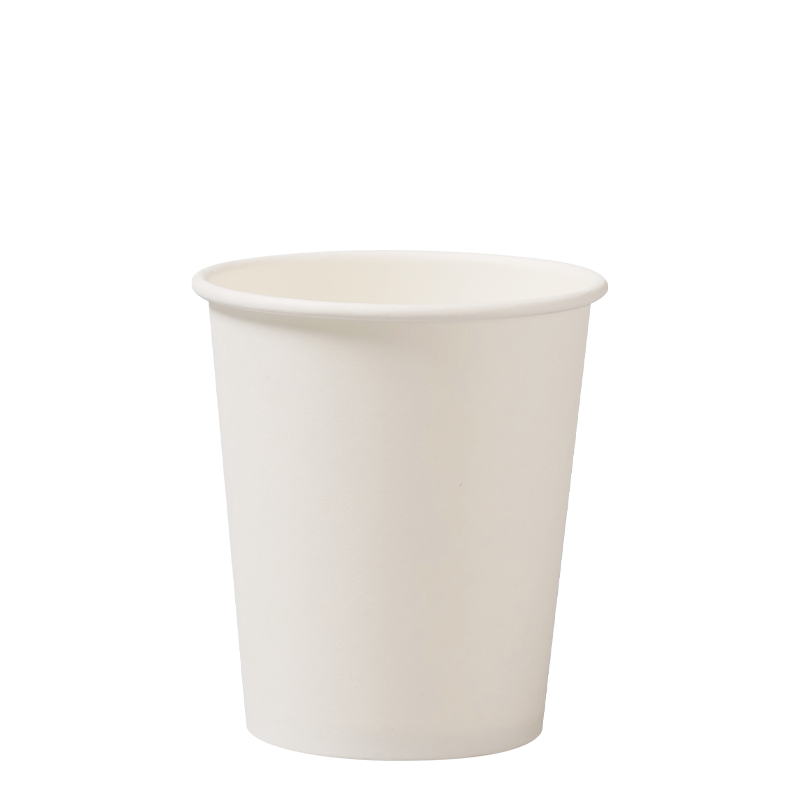
| 8ozC | 450 | 90.04 | 73 | 61 | 8 pcs/bag (50 bags/ctn) |
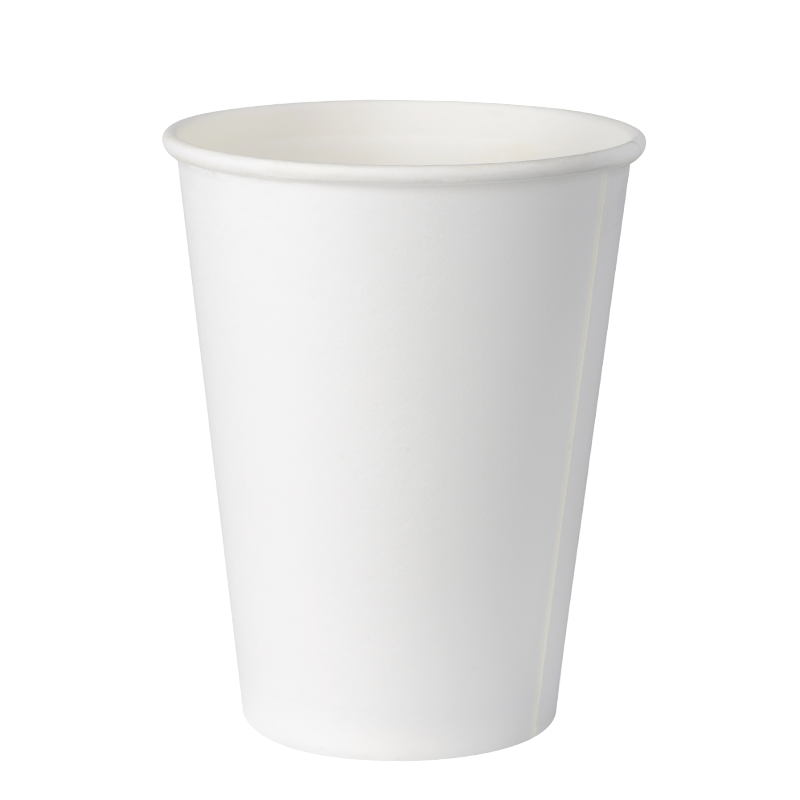
| 12ozA | 451 | 90 | 60 | 111 | 8 pcs/bag (50 bags/ctn) |
| 12ozC | 452 | 113.56 | 92.9 | 62 | 6 pcs/bag (50 bags/ctn) |
Quick sizing tips I use with berry and cut-fruit buyers
- If your line overfills by weight, prioritize a wider top to reduce fruit “mounding” and lid contact.
- If you ship long distances, prioritize rim strength and stable stacking height to prevent compression in lower cases.
- If retail presentation matters, choose a geometry that keeps the top layer visually uniform (this reduces shrink from customer handling).
For a broader view of the line, you can browse our fruit paper container page and tell me your target fruit, net weight, and case count—then I’ll recommend a format based on stability and airflow, not just volume.
If you need OEM artwork adaptation or want multiple SKUs with consistent branding, our team handles this through a structured OEM/ODM workflow—details are on our customization page.
OEM/ODM: What We Can Customize (and What You Should Standardize)
Most buyers come to us with one of two goals: match an existing pack size for line compatibility, or upgrade presentation and sustainability without increasing shrink. We can support both, but the fastest projects are the ones that standardize the operational “must-haves” early.
Typical customization levers for a fruit paper container
- Capacity, top/bottom geometry, and stacking height
- Paper/fiber base and barrier selection
- Vent layout tuned for fruit respiration and display conditions
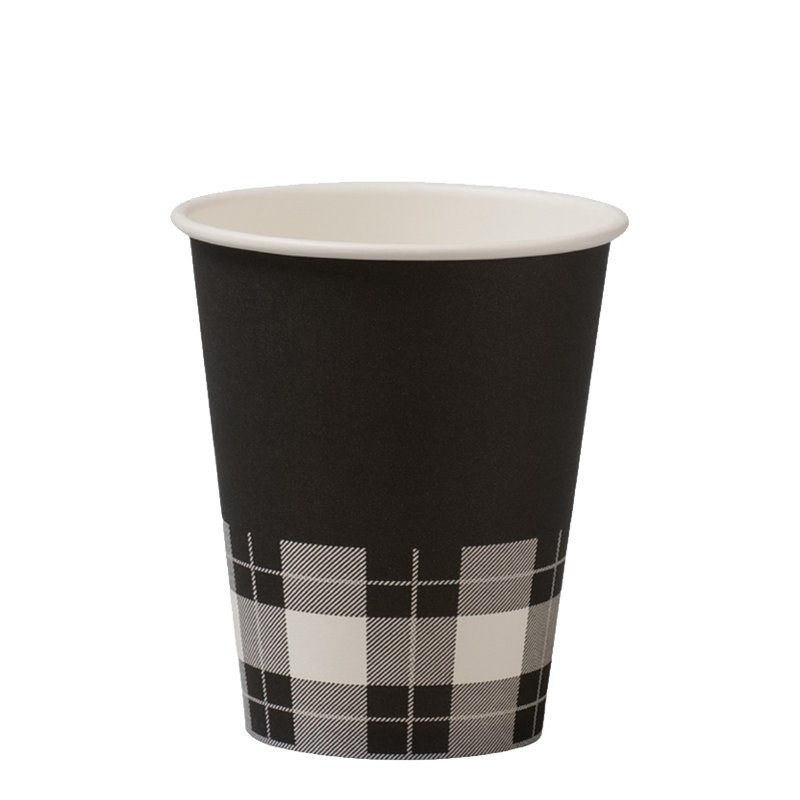
- Branding: color count, pattern coverage, and finish targets
My practical advice: keep case dimensions and stacking rules stable, then customize the container and print. That protects your logistics while still improving shelf differentiation.
Sustainability Outcomes That Buyers Actually Measure
Sustainability claims only matter if they align with measurable actions: responsible sourcing, material reduction, and end-of-life practicality. In produce packaging, many brands focus on replacing plastic while maintaining the shelf-life performance customers expect.
Two practical ways paper containers support your sustainability goals
- Fiber-forward formats can help reduce reliance on petroleum-based packaging for certain produce SKUs.
- Certified sourcing programs can support retailer requirements and corporate reporting frameworks.
For a straight explanation of how we approach materials and sustainability programs, see our sustainability page.
How to Move From “Interested” to the Right Spec (Fast)
If you’re considering a fruit paper container for berries or premium fresh produce, I can usually narrow the right option quickly with a short checklist. This avoids trial-and-error and keeps your launch schedule predictable.
What to send me for an accurate recommendation
- Fruit type and target net weight per pack
- Days from pack to shelf (and whether you use misting or high humidity displays)
- Case count, pallet pattern, and any stacking constraints
- Branding needs (SKUs, color targets, barcode placement)
If you want samples or a spec review, the simplest next step is to message us through our contact page. I’ll respond with a recommended format, material/barrier suggestion, and a packing note tailored to your route.